




2026 Golf GTI & Golf R: Cooling Your Turbo & Differential After Mountain Drives
Key Takeaways
- Heat Builds Fast on Climbs: Long grades around Morgantown keep the turbocharger and drivetrain working hard, and that heat lingers after you park.
- A Gentle Final Mile Helps: Easing off the throttle before you shut down lets oil and coolant carry heat away from the turbo.
- Differentials Work Harder Than You Think: The GTI’s front limited-slip differential and the Golf R’s rear torque-vectoring unit both rely on healthy fluid to stay cool.
- Engine Braking Spares Your Brakes: Using the DSG paddles on long descents keeps brake temperatures down so the whole car stays calmer.
- Service Intervals Count: Hard mountain use is a good reason to stay ahead of oil, DSG, and drivetrain fluid service.
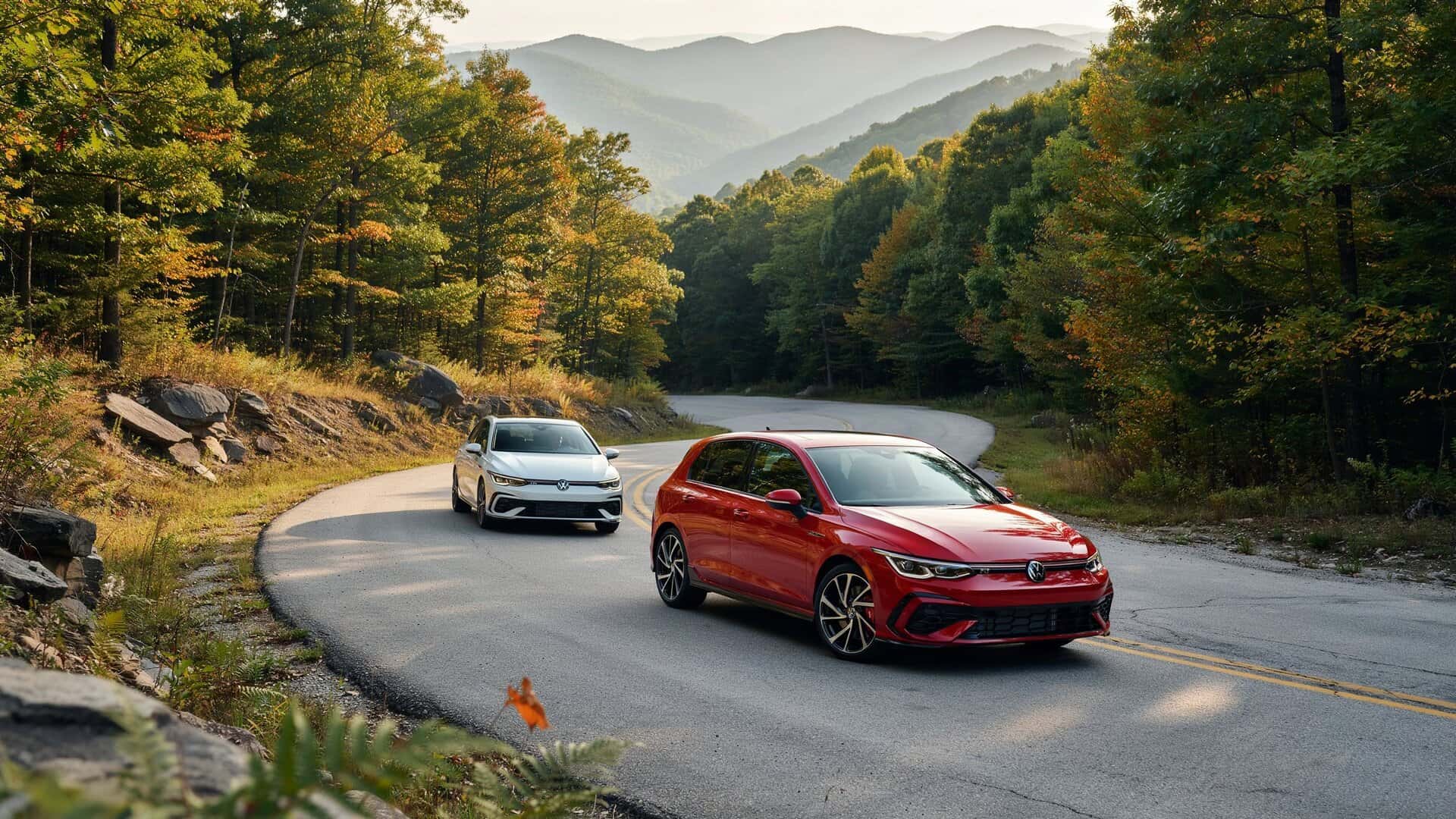
Every Morgantown driver knows the feeling of a perfect ridge road, the turbo spooling, the DSG snapping off shifts, and the whole car humming with purpose. What most drivers do not see is the heat soaking into the turbocharger, the transmission, and the differential once the fun ends and the engine goes quiet. A couple of minutes of smart cool-down habits and on-time fluid service cost very little compared with a turbo or drivetrain repair that starts as a small heat problem. Your 2026 Golf GTI or Golf R is built for spirited driving, and a little care afterward keeps it that way.
Why Mountain Drives Heat-Soak Your Golf
The terrain around Morgantown asks a lot of a performance hatchback. The long grades on I-68 near Coopers Rock State Forest, the climbs up Chestnut Ridge, and the twisty roads that wind toward Cheat Lake all keep the engine under sustained load rather than short bursts. On a climb, the turbocharger spins at high speed and passes a great deal of heat into the engine bay. On the way down, the car works hard in a different way, with the drivetrain and brakes handling the weight of the descent.
Heat soak is the term for what happens when you park right after that effort. Airflow across the radiator stops, the heat that was being carried away stays put, and temperatures around the turbo and under the hood keep rising for a short time. Modern engines manage this well, but a few good habits take pressure off the cooling system. Before a drive into the hills, a quick check of WV511 road conditions also helps you avoid sitting in stop and go traffic on a steep grade, which is one of the hardest situations for heat.
How the Turbo Handles Heat on the GTI and Golf R
Both the 2026 Golf GTI, rated at 241 horsepower, and the Golf R, rated at 328 horsepower, use a turbocharged 2.0L four-cylinder engine paired with a 7-speed DSG. A turbocharger runs on exhaust gas, so its housing sees extreme temperatures. Engine oil lubricates and cools the turbo’s spinning shaft, and engine coolant circulation helps carry heat out of the housing. Together they protect the bearings, but only as long as the oil is clean, fresh, and at the right level.
That is why the way you end a hard drive matters. Shutting the engine off immediately after a long climb leaves hot parts without the full flow of oil and coolant that was keeping them in range. Over many drives, extra heat can speed up oil breakdown, which is the real enemy of a turbo. Fresh oil that meets the specification listed in your owner’s manual is the single best protection you can give it.
What Your Differential Is Doing on Winding Roads
The differential is easy to forget because it works quietly, but on a winding mountain road it is busy. In the Golf GTI, a front limited-slip differential helps the front tires put power down evenly as you accelerate out of tight corners. In the Golf R, the 4MOTION all-wheel-drive system uses a rear torque-vectoring differential, which uses clutch-based hardware to send torque between the rear wheels and sharpen the car’s turn-in.
Both systems create friction and heat as they work, and their fluids carry that heat away while protecting gears and clutch components. Fluid that is overdue loses some of its ability to do both jobs. If you notice a whine, a shudder, or a hesitation when exiting corners, that is a sign to have the drivetrain looked at rather than waiting for the next scheduled visit.
A Smart Cool-Down Routine After Spirited Drives
You do not need a long idle or any special equipment. A short, consistent routine is enough, and it fits easily into a normal trip home:
- Ease Off Before Parking: Spend the last few minutes of the drive at moderate speeds and light throttle so the turbo and engine can shed heat while oil and coolant are still flowing.
- Skip the Final Rev: Avoid a big throttle blip right before shutdown, since it sends a burst of heat into the turbo just as flow is about to stop.
- Let the Car Settle: If you arrive hot, leave the engine on for a short moment and let the cooling system do its work before you switch off.
- Rest Your Brakes: After a long descent, avoid holding the pedal firmly in one spot with hot rotors, and let them cool a little before you park.
A quick glance at the dash is a good habit as well. If the coolant temperature reading climbs higher than normal, or a warning appears, ease off and find a safe place to stop.
Mountain Descents and Your DSG
Downhill driving deserves its own plan. Riding the brakes for miles builds heat in the pads, rotors, and fluid, and hot brakes can fade at exactly the moment you need them. The 7-speed DSG makes it easy to avoid that. Shift into manual mode and use the paddle shifters to select a lower gear, letting engine braking hold your speed so the brakes only need short, firm applications.
This also helps the drivetrain. A car that is not struggling to slow itself with the friction brakes is a car with less total heat to shed after the drive. Brake fluid absorbs moisture over time, and hot, moisture-laden fluid is more likely to lose firmness, so it is worth keeping on the recommended schedule if your commute includes real descents.
Fluids Matter More Than You Think
Heat is hardest on the fluids that protect your drivetrain. Engine oil, coolant, DSG fluid, and the differential or rear drive unit fluid each have a service interval listed in your maintenance schedule, and spirited mountain driving is the kind of use that makes it wise to stay current. The maintenance menu at Volkswagen Morgantown is a good place to see what services are available for your model.
If you have driven your Golf hard on a long climb and noticed a burning smell, a change in how the DSG shifts, or a coolant level that has dropped, have it inspected before the next big drive. Small issues are cheap to catch early, and heat tends to make them worse, not better.
What Heat Protection Typically Costs
Pricing varies by model, mileage, and service needed, so use this as a general picture rather than a quote:
- Engine Oil and Filter Service: The most affordable and important item, and the one that does the most to protect the turbocharger.
- Coolant Check or Service: A modest cost that keeps the system that carries heat away from the turbo working as designed.
- DSG Fluid Service: A mid-range service that protects the transmission clutches and gears from heat and wear.
- Differential or Rear Drive Unit Fluid: Often a small fraction of the cost of repairing the components it protects.
- Turbo or Drivetrain Repair if Neglected: One of the most expensive repairs a performance Golf can face, and usually the result of long-term heat and fluid neglect.
Many owners also like the predictability of a plan, and the VW Care maintenance plans are worth a look if you want scheduled services handled ahead of time.
Keep Your Golf Cool and Ready for the Next Climb
Your 2026 Golf GTI or Golf R was built to be driven, and the roads around Morgantown make it easy to enjoy that. A gentle final mile, smart downhill technique, and on-time fluid service let you do it for years without worrying about what the heat is doing behind the scenes. If you want a professional to check your fluids, turbo, and drivetrain after a season of hill driving, the service center at Volkswagen Morgantown, located at 401 Mary Jane Wood Circle, Morgantown, WV 26501, United States is ready to help keep your Golf running strong.

0 comment(s) so far on 2026 Golf GTI & Golf R: Cooling Your Turbo & Differential After Mountain Drives