




How to Extend the Life of Your Volkswagen Engine
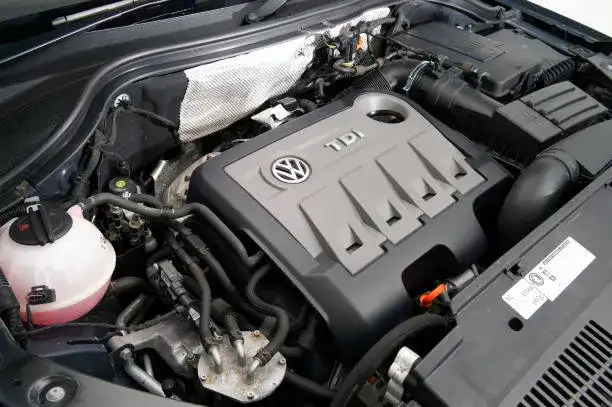
Last month, two identical 2015 VW Jettas arrived at our Mary Jane Wood Circle service center on the same day—one with 185,000 miles running perfectly, the other with 78,000 miles requiring a complete engine replacement. The high-mileage Jetta had meticulous maintenance records showing synthetic oil changes every 8,000 miles, proper coolant service, carbon cleaning at recommended intervals, and careful owner attention. The failed low-mileage Jetta had sporadic maintenance, extended oil change intervals, ignored warning lights, and no service history beyond basic oil changes. The difference wasn’t luck—it was consistent, proper care versus neglect. The maintenance investment difference over those 78,000 miles? Approximately $1,200 in preventive service that would have saved an $8,500 engine replacement.
Many Morgantown area VW owners wonder how to maximize their engine’s lifespan, particularly with turbocharged engines that have reputations for requiring careful maintenance. The truth is that modern Volkswagen engines, including turbocharged models, routinely exceed 200,000 miles when properly maintained. The engines aren’t fragile—they simply require owners to follow specific care practices that protect the sophisticated engineering VW employs for power, efficiency, and performance.
Understanding what actually extends engine life, which maintenance items matter most, and which driving habits cause accelerated wear helps you maximize your VW investment. These aren’t expensive or complicated strategies—they’re straightforward practices that prevent the premature failures we see regularly from neglect or misunderstanding.
If you own a VW in the Morgantown area, plan to keep your vehicle long-term, or want to understand what actually matters for engine longevity versus marketing hype, these proven strategies provide the roadmap to 200,000+ mile engine life.
The Foundation: Proper Oil and Intervals
Nothing affects engine longevity more than oil quality and change intervals.
Use VW-Specification Synthetic Oil
Modern VW engines require full synthetic oil meeting VW 508.00/509.00 specifications. This isn’t optional or a premium upgrade—it’s an engineering requirement for turbocharged engine protection.
Why it matters: Turbocharged engines generate extreme temperatures that conventional oil cannot handle. The turbo spins at over 100,000 RPM at temperatures exceeding 1,200 degrees Fahrenheit. Synthetic oil maintains protective properties under these conditions. Conventional oil breaks down rapidly, causing accelerated wear and eventual turbo failure.
What to verify: The oil container must specifically state VW 508.00 or VW 509.00 approval. Generic “synthetic oil” or oil meeting only industry standards (API, ILSAC) doesn’t guarantee VW requirements are met.
Cost reality: VW-specification synthetic oil costs $75-95 per change. The alternative is turbocharger failure ($1,800-2,800) or complete engine damage ($5,000-10,000). Proper oil is remarkably inexpensive insurance.
Optimize Change Intervals
VW recommends oil changes every 10,000 miles or 12 months when using proper synthetic oil. However, certain conditions warrant shorter intervals.
Consider 7,500-8,000 mile intervals if you experience:
- Frequent short trips under 10 miles (engine doesn’t reach full operating temperature)
- Mountain driving with sustained grades
- Towing or heavy loads
- Extreme temperatures (West Virginia winters and summer heat)
- Stop-and-go traffic creating extended idle time
These severe service conditions break down oil faster than highway cruising. The modest cost of one additional oil change annually provides significant protection.
Never extend intervals beyond 10,000 miles regardless of what the oil life monitor shows or claims about synthetic oil lasting “15,000 miles.” VW engines have tight internal tolerances requiring fresh oil at specified intervals.
“The single most important factor in VW engine longevity is consistent, proper oil service,” says Robert Williams, Master Technician at our Mary Jane Wood Circle location. “We see engines with 200,000+ miles that have perfect oil change records using VW-specification synthetic. We see engines failing at 60,000-80,000 miles with spotty maintenance or wrong oil. It’s that simple. The $85 oil change every 8,000-10,000 miles is the cheapest, most effective engine protection you can buy. Skip it, extend it, or use wrong oil, and you’re gambling with a $10,000 engine replacement.”
Cooling System Maintenance
The cooling system protects your engine from heat damage and maintains optimal operating temperatures.
Coolant Service Timing
VW specifies coolant replacement at 100,000 miles or 10 years initially, then every 60,000 miles or 6 years. However, proactive service provides better protection.
Consider earlier service at 80,000 miles or 8 years for the first change, then 50,000 miles or 5 years thereafter. Coolant degrades over time from heat cycling and chemical breakdown. Fresh coolant maintains optimal corrosion protection and heat transfer.
Service cost: $180-220 for complete coolant replacement Alternative cost: Engine overheating damage from degraded coolant costs $2,500-6,000 depending on severity
Use Proper Coolant
VW engines require specific coolant formulations (typically pink or purple G12 or G13 coolant). Generic “universal” coolant from retail stores doesn’t provide the same protection.
Why VW-specific coolant matters: The formulation protects aluminum engine components from corrosion while providing optimal heat transfer properties. Generic coolant may be compatible short-term but doesn’t provide long-term protection VW engineering requires.
Monitor Coolant Level
Check coolant level monthly when the engine is cold. The reservoir should show fluid between minimum and maximum marks.
Losing coolant indicates leaks requiring immediate attention. Common leak points include hoses, water pump, radiator, and heater core. Small leaks caught early cost $80-350 to repair. Ignored leaks cause overheating and engine damage.
Pressure Test Annually
Annual cooling system pressure testing identifies small leaks before they cause problems. The test costs $85-110 and can prevent expensive overheating damage.
Carbon Buildup Prevention and Management
Direct injection engines accumulate carbon deposits on intake valves, affecting performance and longevity.
Understanding Carbon Accumulation
VW’s direct injection sprays fuel directly into cylinders, meaning fuel doesn’t wash over intake valves like traditional port injection. Oil vapor from the PCV system coats valves, creating carbon deposits over time.
Symptoms of excessive carbon:
- Rough idle that worsens gradually
- Reduced power and acceleration
- Increased fuel consumption
- Hesitation during acceleration
- Check engine light from misfires
Driving Habits That Minimize Carbon
Regular highway driving at sustained speeds allows the engine to reach full operating temperature and burn deposits more effectively than constant short trips.
Avoid excessive idling which promotes carbon buildup. Short trips with extended warm-up idling are particularly problematic.
Use top-tier gasoline from brands providing enhanced detergent packages (Shell, Exxon, Chevron, etc.). These detergents help minimize combustion chamber deposits.
Occasional Italian tune-up: Safe, legal highway acceleration to higher RPMs (4,000-5,000 RPM) periodically helps burn deposits. This doesn’t mean aggressive driving—just using the engine’s power range occasionally rather than never exceeding 2,500 RPM.
Professional Carbon Cleaning
Despite preventive measures, carbon eventually requires professional removal. Service intervals vary based on driving patterns.
Typical cleaning interval: 60,000-100,000 miles for most drivers Service cost: $380-550 using walnut shell blasting Benefit: Restored power, smooth idle, improved fuel economy
Neglecting carbon cleaning when symptoms appear causes misfires and incomplete combustion that can damage catalytic converters ($1,200-2,000 to replace).
A professor from Westover noticed their GTI’s performance degrading gradually over 70,000 miles. They assumed “it’s just getting older.” Carbon cleaning service restored factory performance, improving throttle response and eliminating rough idle they’d grown accustomed to. The $450 service felt like getting a new engine.
Turbocharger Care
Turbocharged engines require specific care to maximize turbo longevity.
Proper Warm-Up
Allow 30-60 seconds after cold start before driving, giving oil time to circulate through the turbo bearings. Modern synthetics flow quickly, but a brief warm-up provides additional protection.
Avoid immediate hard acceleration from cold starts. Drive gently for the first 3-5 minutes until the engine reaches operating temperature. Hard acceleration on a cold engine stresses the turbo before oil reaches optimal viscosity and flow.
Proper Cool-Down
After sustained high-speed driving or hard acceleration, allow the engine to idle for 30-60 seconds before shutting off. This lets the turbo spin down while oil continues cooling it.
Not required for normal driving: If you’ve been driving normally around town without hard acceleration, immediate shutdown is fine. The cool-down is only necessary after sustained high-load operation.
Avoid Lugging
Lugging means operating at high load (hard acceleration, climbing grades) at low RPM. This stresses the turbo and engine. When climbing hills or accelerating briskly, downshift to maintain 2,500-4,000 RPM rather than laboring at 1,500-2,000 RPM.
Modern transmissions often upshift aggressively for fuel economy. Manual mode or sport mode keeps RPMs in the proper range during demanding driving.
Monitor for Symptoms
Turbo problems develop gradually. Watch for loss of power, unusual whistling sounds, blue smoke from the exhaust (oil burning), or check engine lights indicating boost pressure issues.
Early intervention when turbo problems first appear costs $500-1,200 for repairs. Waiting until complete failure requires turbo replacement at $1,800-2,800.
Fuel System Care
The fuel system requires attention for optimal long-term performance.
Use Quality Fuel
Top-tier gasoline from major brands contains enhanced detergent packages that keep fuel injectors clean. While any fuel meeting minimum standards is technically acceptable, top-tier fuel provides measurably better long-term results.
Avoid the cheapest gas from unknown stations. Contaminated fuel or water in fuel tanks causes injector problems and engine damage.
Fuel Filter Replacement
VW typically integrates fuel filters into the fuel pump assembly, located in the fuel tank. While these filters are designed for extended life, they eventually restrict flow.
Symptoms of restricted fuel filter:
- Power loss at high RPM
- Hesitation during acceleration
- Difficulty starting
- Check engine light for fuel pressure issues
Service interval: Inspect at 60,000 miles, replace if restricted Service cost: $350-550 depending on filter location and pump design
Fuel System Cleaning
Fuel injector cleaning service removes deposits that accumulate despite quality fuel and proper maintenance. The service costs $140-190 and restores proper spray pattern and flow.
Service interval: Every 50,000-75,000 miles or when performance degradation suggests injector deposits
Ignition System Maintenance
Spark plugs and ignition components require timely service for optimal combustion.
Spark Plug Replacement
VW recommends spark plug replacement at 60,000-80,000 miles depending on model and engine.
Don’t extend intervals thinking “they still work fine.” Worn spark plugs cause incomplete combustion, increasing carbon buildup and potentially damaging catalytic converters. The modest $200-280 spark plug service prevents $1,200-2,000 catalytic converter replacement.
Use OEM-quality plugs meeting VW specifications. Cheap aftermarket plugs don’t provide the same performance or longevity.
Ignition Coil Attention
Coil-on-plug ignition systems use individual coils for each cylinder. These coils eventually fail from heat cycling and electrical stress.
Symptoms of failing coils: Misfires, rough idle, check engine light, reduced power
Replacement timing: Coils fail unpredictably, typically between 60,000-120,000 miles. When one fails, consider replacing all coils preventively as others are similar age.
Cost: Individual coil replacement $180-250, all four coils $600-850
Transmission Care
The transmission requires attention despite being “sealed for life” in some models.
Transmission Fluid Service
Despite manufacturer claims of “lifetime fluid,” transmission service extends transmission life significantly.
Recommended interval: 60,000 miles for the first service, then every 60,000 miles Service cost: $280-365 Benefit: Dramatically extends transmission life, maintains shift quality
Transmission replacement costs $4,500-6,500. The $320 fluid service is exceptional value for protecting that investment.
Driving Habits for Transmission Longevity
Avoid aggressive launches and hard shifts. While the transmission can handle spirited driving, constant abuse accelerates wear.
Use proper warm-up in cold weather. Cold transmission fluid is thick and doesn’t lubricate optimally. Drive gently for the first few minutes in winter.
Avoid towing beyond rated capacity which creates excessive heat and stress.
Your 200,000-Mile Maintenance Schedule
Following this schedule provides the foundation for maximum engine life.
Every 8,000 miles: Oil change using VW-specification synthetic oil, multi-point inspection, tire rotation
Every 16,000 miles: Cabin air filter replacement (affects HVAC and engine air intake in some models)
Every 40,000 miles: Engine air filter replacement, transmission fluid inspection
Every 60,000 miles: Transmission fluid service, spark plug inspection/replacement, brake fluid replacement, fuel system cleaning
Every 80,000 miles: Coolant service (first service), carbon cleaning inspection/service as needed
Every 100,000 miles: Comprehensive inspection of all systems, timing belt (if applicable to your engine), water pump inspection
As needed: Address warning lights immediately, repair leaks promptly, replace worn components before they fail
Warning Signs Requiring Immediate Attention
Certain symptoms indicate developing problems requiring prompt professional attention.
Check engine light: Never ignore this warning. While some triggers are minor, others indicate serious problems causing engine damage if ignored.
Oil pressure warning: Stop driving immediately if the oil pressure light illuminates. Continuing to drive causes catastrophic engine damage.
Coolant temperature warning: Pull over safely and shut off the engine if the temperature gauge enters the red zone or warning light illuminates.
Unusual noises: Knocking, rattling, or grinding sounds suggest mechanical problems requiring diagnosis.
Performance changes: Sudden power loss, rough running, or dramatic fuel economy reduction indicate problems needing attention.
Fluid leaks: Address leaks promptly before they cause component failures from low fluid levels.
Schedule Your Engine Longevity Service Today
Those two Jettas that arrived the same day tell the complete story of VW engine longevity. One owner followed proper maintenance religiously, addressed issues promptly, and used correct fluids and parts. That engine runs perfectly at 185,000 miles. The other owner deferred maintenance, ignored symptoms, and used improper oil. That engine failed at 78,000 miles requiring $8,500 replacement.
The difference wasn’t luck or “getting a bad engine”—it was maintenance and care. Modern VW engines are sophisticated, powerful, and efficient, designed to exceed 200,000 miles when properly maintained. They’re not fragile; they simply require owners to follow the care practices VW engineering demands.
Our certified Volkswagen technicians at 401 Mary Jane Wood Circle have the training, tools, and genuine VW parts to properly maintain your engine for maximum longevity. We understand what VW engines need and how to provide service that extends engine life rather than just checking boxes.
Schedule your VW maintenance today by calling our service department or booking online at Volkswagen Morgantown, 401 Mary Jane Wood Circle, Morgantown, WV 26501. Whether you need routine service or want to develop a maintenance plan for long-term ownership, we’ll ensure your VW receives the care it needs.
Proper maintenance isn’t expensive when compared to engine replacement. It’s the smart investment that delivers 200,000+ miles of reliable performance. That’s the value consistent, proper care delivers.

0 comment(s) so far on How to Extend the Life of Your Volkswagen Engine