




Misfiring Engine or Rough Idle? When to Replace VW Spark Plugs & Ignition Coils
Key Takeaways
- Misfires start small: A slight stumble at idle or a hesitation on acceleration is often the first hint that a plug or coil is wearing out.
- A flashing check engine light is urgent: It signals a severe misfire that can damage the catalytic converter, so reduce speed and get the vehicle inspected promptly.
- Plugs and coils work as a team: An old plug makes the coil work harder, which is why they are often evaluated together.
- Turbocharged engines are demanding: Many Volkswagen TSI engines run higher cylinder pressures, so following the recommended plug interval matters.
A Volkswagen that shakes at a red light on Mileground Road or stumbles climbing out of Sabraton is telling you something, and ignoring it rarely makes it go away. Replacing worn spark plugs on schedule costs a small fraction of what a damaged catalytic converter or a string of failed ignition coils will cost you, and the warning signs almost always appear first. Knowing what to watch for helps you act while the fix is still simple.
What Spark Plugs and Ignition Coils Actually Do
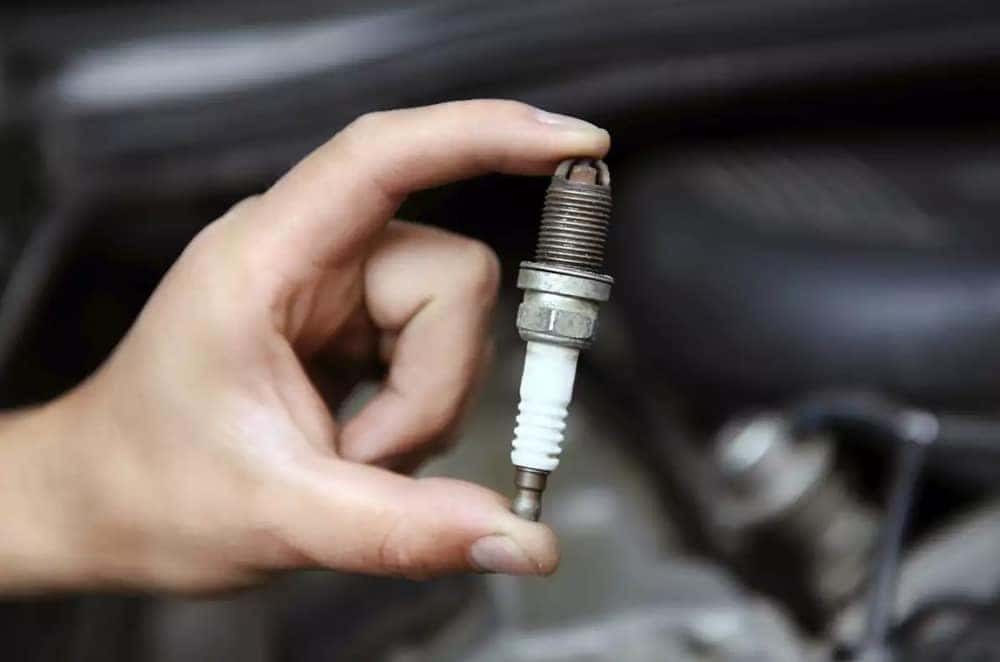
Every cylinder in your engine depends on a precisely timed spark to ignite the air and fuel mixture. The ignition coil converts the battery’s low voltage into the thousands of volts needed to jump the gap at the spark plug, and the plug delivers that spark at exactly the right moment. When either part weakens, combustion becomes incomplete, and the engine runs rough.
Most modern Volkswagens use a coil-on-plug design, which means each cylinder has its own coil sitting directly on top of its plug. That setup is efficient and precise, but it also means a failing coil usually affects one specific cylinder, which helps technicians pinpoint the cause quickly. The plug and coil share the same electrical path, so a worn plug can strain a coil, and a weak coil can foul a plug.
Why Morgantown Driving Puts Extra Demand on Ignition Parts
Driving in Monongalia County asks a lot of an engine. Steep grades near the downtown campus, stop-and-go traffic around the university, and hilly connectors to I-79 and I-68 mean frequent changes in load. Short trips between neighborhoods can also leave the engine below full operating temperature, which encourages deposits to build up on plugs over time.
Winter adds another layer. Cold starts are harder on ignition components, and damp, salty conditions can find their way into weak spots in wiring and coil boots. A system that handled summer without complaint can start showing its age once the temperature drops, so autumn is a smart time for an ignition check. You can see what is typically included in a seasonal visit on our maintenance menu.
Sign One: A Rough or Shaky Idle
The most common early symptom is an engine that does not idle smoothly. You may feel a shudder through the steering wheel or seat while stopped, or hear the engine note rise and fall slightly. It often shows up first when the engine is cold, then smooths out as it warms.
A rough idle does not always mean a plug or coil is the culprit. Vacuum leaks, dirty throttle bodies, and fuel delivery issues can create similar symptoms. That is why a proper diagnosis matters more than guessing, and why a stored trouble code is so valuable. Replacing parts without confirming the cause can mean paying twice.
Sign Two: Hesitation, Stumbling, or Loss of Power
A misfire usually reveals itself under load. You might press the accelerator to merge onto I-79 and feel the vehicle hesitate, jerk, or fall flat for a moment. On a turbocharged engine, it can feel like the boost is cutting in and out. The sensation is often brief, which makes it easy to dismiss.
Hills make it more obvious. Climbing a grade demands steady power, and a cylinder that is not firing properly becomes noticeable right away. If your Volkswagen feels weaker than usual on inclines or when passing, the ignition system is a good place to start looking.
Sign Three: Check Engine Light and Stored Codes
Your Volkswagen continuously monitors how smoothly the engine turns. When it detects an uneven pattern, it records a misfire code and may turn on the check engine light. Codes in the P0300 family indicate misfires, with the last digit usually identifying the affected cylinder.
A steady light means a fault has been recorded, and it deserves attention soon. A flashing light is more serious. It indicates a misfire severe enough to send unburned fuel into the exhaust, which can overheat and damage the catalytic converter. If the light flashes, reduce your speed, avoid heavy acceleration, and have the vehicle checked as quickly as you can. The Car Care Council offers helpful general guidance on what dashboard warning lights mean.
Other Symptoms Worth Noticing
Not every ignition problem announces itself with a shake. These smaller clues often appear first:
- Worse fuel economy: Incomplete combustion wastes fuel, so you may notice more frequent fill-ups without a change in driving habits.
- Hard starting: The engine cranks longer than usual before catching, especially on cold mornings.
- Rough acceleration: A stumble or flat spot when you press the pedal, even if the idle seems fine.
- Fuel smell or exhaust odor: Unburned fuel leaving the cylinders can produce a noticeable smell from the tailpipe.
- Unusual engine noise: A ticking, popping, or uneven rhythm that was not there before.
Any one of these can have several causes, but together they form a pattern that points toward the ignition system.
How Often Should Spark Plugs Be Replaced?
Intervals depend on the engine and the type of plug. Many turbocharged Volkswagen TSI engines call for plug replacement at roughly 40,000 miles, while some other engines allow longer intervals. Your owner’s manual and maintenance schedule list the exact recommendation for your model, and our service advisors can confirm it for your vehicle.
Conditions matter too. Frequent short trips, heavy stop-and-go driving, and steep terrain can all shorten the practical life of a plug. Waiting until a misfire appears means the plug is already past its best, and the coil may have been working overtime in the meantime. Following the schedule is cheaper and easier than reacting to a failure.
When Ignition Coils Need Replacement
Coils tend to fail more unpredictably than plugs. Heat, vibration, and age gradually break down their internal insulation, and a coil can work perfectly one day and misfire the next. A coil that is failing often causes a misfire in one cylinder, and the problem may come and go with temperature or moisture.
Technicians can swap suspect coils, read live engine data, and test the output to confirm which one is weak. Some shops replace all coils at once when one fails and the vehicle has high mileage, since the others have aged the same way. Your technician can explain what makes sense based on what the diagnosis shows. A visit to our service center can get that process started.
Why Waiting Is Risky for Your Engine and Wallet
A misfire is more than an annoyance. Raw fuel washing past a misfiring cylinder can wash oil from the cylinder walls, dilute the oil, and overheat the catalytic converter. Over time, the damage spreads from a simple plug and coil job to repairs that cost far more and take longer.
Driving with a persistent misfire also strains other components, including oxygen sensors and the engine mounts that absorb the extra vibration. The sooner the issue is addressed, the smaller the repair tends to be. If your vehicle is running rough, it is better to book a visit than to wait and hope it clears up.
What Waiting Can Cost You
Putting off ignition service rarely saves money. Here is how the options typically compare:
- Scheduled spark plug replacement: A modest maintenance expense that keeps combustion clean and protects the coils.
- Single ignition coil replacement: A moderate repair that restores smooth running when one cylinder is misfiring.
- Catalytic converter replacement: A far more expensive repair that can follow weeks of driving with a severe misfire.
- Towing and lost time: The unplanned costs of a breakdown, including a missed shift and an urgent trip to the shop.
Preventive care wins on both cost and convenience, and those with a VW Care maintenance plan can often bundle many scheduled services into a predictable schedule.
Get Your Volkswagen Running Smoothly Again
A smooth, responsive engine makes every drive around Morgantown more pleasant, from the hills near the university to the highway stretches toward Fairmont and Pittsburgh. If your Volkswagen is idling roughly, hesitating on acceleration, or showing a check engine light, a quick inspection can pinpoint the cause and keep a small issue from growing. Bring your vehicle to Volkswagen Morgantown, located at 401 Mary Jane Wood Circle, Morgantown, WV 26501, United States, and our service team will get to the bottom of it. You can schedule your service visit online at a time that works for you.

0 comment(s) so far on Misfiring Engine or Rough Idle? When to Replace VW Spark Plugs & Ignition Coils