




Morgantown Commuters: How Mid-Summer Stop-and-Go Traffic Affects Your VW’s Turbocharger
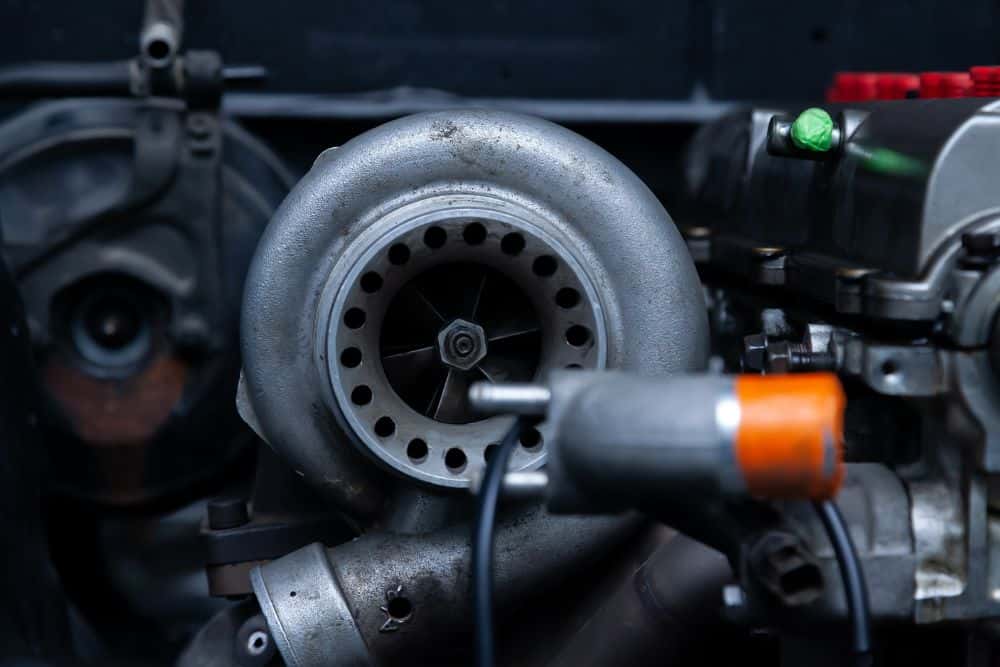
If your daily commute involves crawling through traffic on University Avenue or sitting through the backups on the Mileground during peak hours, your turbocharged VW is dealing with more than just a frustrating drive. A turbo and cooling system check that often costs little to nothing can catch early warning signs before they turn into a $1,000 to $2,000 turbocharger replacement. Stop and go traffic in summer heat is one of the toughest combinations for a turbocharged engine, and a little attention now can prevent a much bigger repair down the road.
Many VW models, including the Jetta, Tiguan, and GLI, rely on turbocharged engines to deliver strong performance without sacrificing fuel economy. Turbochargers work by forcing more air into the engine, which lets a smaller engine produce more power, but that process generates significant heat, and heat management is where stop and go summer traffic becomes a real factor.
Why Stop-and-Go Traffic Is Tough on a Turbocharged Engine
Turbochargers spin at extremely high speeds and run hot under normal conditions, but certain driving patterns make heat management noticeably harder.
- Frequent acceleration from a stop generates more turbo activity. Every time you accelerate from a dead stop in traffic, the turbo spins up to deliver boost, and doing this repeatedly throughout a commute keeps turbo temperatures elevated for longer stretches than steady highway driving would.
- Idling and crawling traffic reduce airflow for cooling. At low speeds, there’s less air moving through the engine bay to help dissipate heat, which means the turbo and surrounding components stay hotter for longer during a slow commute than they would at sustained highway speeds.
- Summer heat adds to an already hot system. A turbocharger that runs hot even in ideal conditions has even less margin when ambient temperatures are already elevated, and under-hood temperatures climb further in stop and go traffic where airflow is limited.
- Shutting off the engine right after hard driving can trap heat. Turbochargers continue to generate heat for a short period after hard acceleration, and immediately turning off the engine after a stressful drive can prevent that heat from dissipating properly, which over time can affect the oil that lubricates the turbo.
Jasper Whitcombe, a technician at our Morgantown location, says he sees a seasonal uptick in turbo-related concerns from commuters who deal with the Mileground or University Avenue traffic every day during the summer months. He says the issue is rarely sudden. It’s usually a gradual buildup of stress on the system that shows up as reduced performance or unusual sounds before it becomes a bigger problem, which is exactly why catching it early matters.
What to Have Checked on a Turbocharged VW
A proper inspection for turbo health covers several connected systems, not just the turbocharger itself:
- Engine oil condition and level. Turbocharged engines depend heavily on clean, properly leveled oil to lubricate and cool the turbo. Oil that’s overdue for a change loses some of its ability to protect these components, especially under the added stress of summer traffic.
- Coolant level and condition. Many turbocharged engines use coolant to help manage turbo temperatures, and a system that’s low or due for a flush has less capacity to manage heat effectively.
- Boost-related hoses and connections. Cracked or loose hoses in the turbo system can reduce performance and put additional strain on the engine to compensate.
- Unusual sounds or performance changes. A whining noise, reduced power, or noticeably slower acceleration can all be early signs of turbo wear worth investigating before they progress further.
Routine oil changes for turbocharged VW models typically run $80 to $120 depending on the oil type required, while a full turbocharger replacement, when it comes to that, generally falls between $1,000 and $2,000 depending on the model and labor involved. Catching wear early through regular maintenance is by far the more affordable path.
Driving Habits That Help Protect Your Turbo
Beyond regular maintenance, a few driving habits can reduce strain on your turbocharger during heavy summer commuting:
- Let the engine idle briefly after hard driving before shutting off. Even thirty seconds to a minute gives the turbo a chance to cool down slightly before the cooling system stops circulating, particularly after a stretch of aggressive acceleration.
- Avoid unnecessary hard acceleration in stop and go traffic. Easing into acceleration rather than flooring it from every stop reduces how hard the turbo has to work throughout a commute.
- Stay current on oil changes, especially during high-traffic seasons. Oil breaks down faster under the heat and stress of frequent stop and go driving, so sticking to recommended intervals matters more in summer than in milder months.
- Pay attention to dashboard warnings related to engine performance. A boost-related warning light is worth addressing promptly rather than waiting to see if it resolves on its own.
Turbocharged VW models are built to handle demanding driving, including the kind of stop and go traffic that’s unavoidable on University Avenue or the Mileground during a Morgantown summer. With consistent maintenance and a few mindful driving habits, your turbo can hold up well through the season without becoming a costly surprise.
If your VW has felt a little off lately, or it’s just been a while since the turbo system was checked, stop by and let us take a look. The team at Volkswagen Morgantown, located at 401 Mary Jane Wood Circle, Morgantown, WV 26501, can check your oil, coolant, and turbo components to help keep your commute running smoothly through the rest of summer.

0 comment(s) so far on Morgantown Commuters: How Mid-Summer Stop-and-Go Traffic Affects Your VW’s Turbocharger