




Prepping Your VW’s Heated Windshield Washer System & Wipers for Monongalia County Snow & Slush
Key Takeaways
- Visibility is safety: Clear glass is your first line of defense on slushy stretches of I-79, I-68, and Mileground Road.
- Fluid choice matters: A winter-rated washer fluid keeps the heated washer system flowing and prevents freezing in the reservoir and lines.
- Blades wear quietly: Rubber hardens and tears through summer sun and fall debris, so a pre-winter inspection catches streaking before the first storm.
- Early service saves money: Checking the wipers, pump, and nozzles in autumn costs far less than a rushed repair in January.
Morgantown drivers know how fast a winter commute can turn ugly, with salt spray from a passing truck on the interstate, slush thrown up on a hilly side street, and a windshield that goes opaque in seconds. Replacing a set of wiper blades and topping off the right washer fluid costs a small fraction of what a failed washer pump or a stressed wiper motor will cost you mid-season. A little preparation now keeps your Volkswagen’s glass clear when you need it most.
Why Monongalia County Winters Are So Hard on Wipers and Washers
Winter driving around Morgantown puts constant demands on your visibility systems. Steep grades through Suncrest, Sabraton, and the neighborhoods near the university mean frequent braking and acceleration on wet pavement, and that churns up a gritty mix of slush, road brine, and grime. Highway driving along I-79 and I-68 adds high-speed spray from tractor trailers, which can coat a windshield in a single pass.
Temperature swings make it worse. A day that starts below freezing and warms past 40 degrees leaves ice on the glass in the morning and slush in the afternoon, and your wipers and washer system have to handle both. Checking the National Weather Service forecast for the Pittsburgh region, which covers our area, helps you plan for those swings before they catch you off guard.
What Makes a Heated Washer System Different
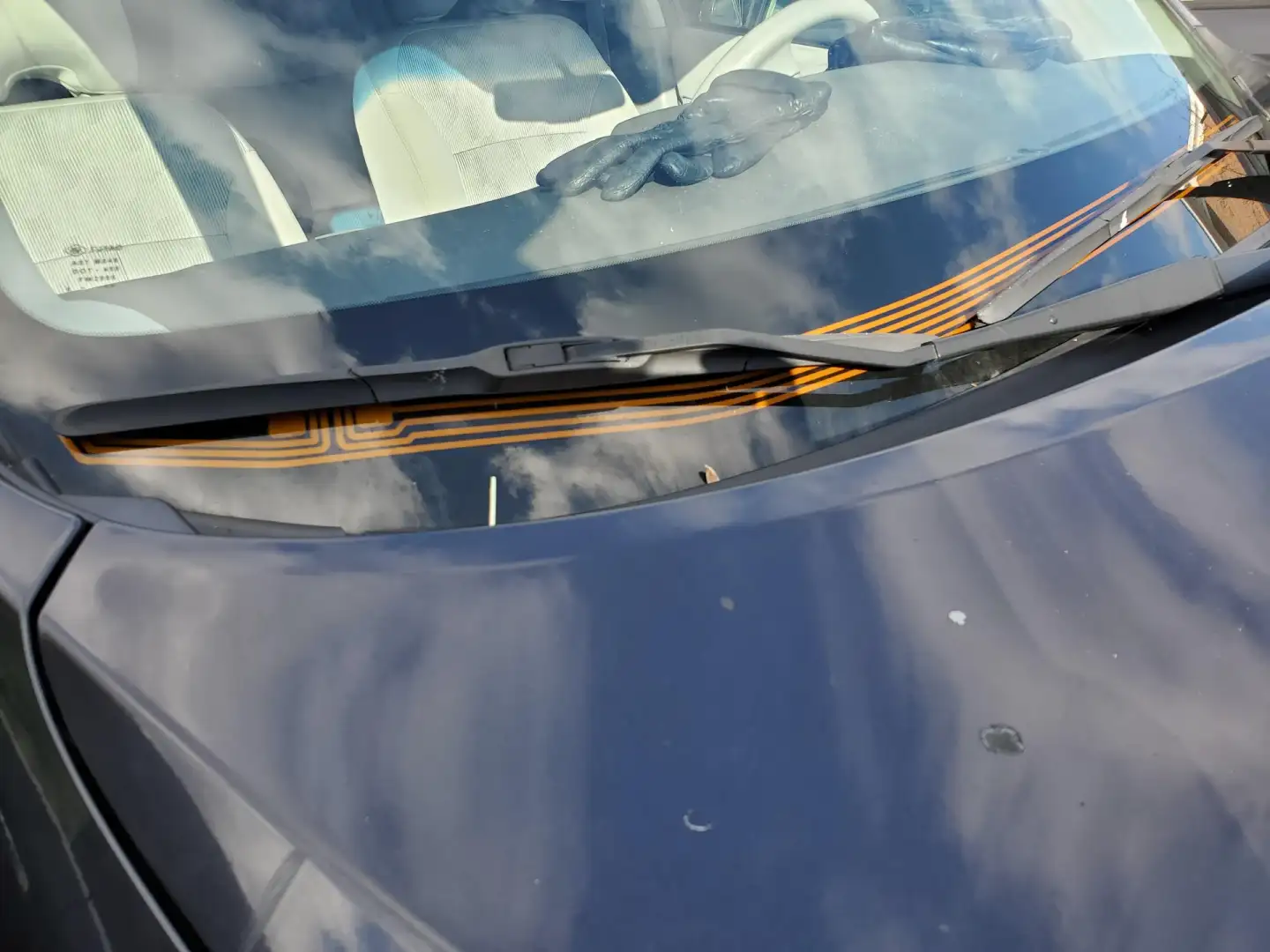
On equipped Volkswagen models, heated washer nozzles or a heated washer fluid circuit warm the spray before it reaches the windshield. That helps the fluid cut through frost and ice instead of freezing on contact, and it keeps the nozzles from clogging in the cold. It is a useful feature, but it still depends on healthy basics: clean fluid, clear lines, a working pump, and wiper blades that make good contact with the glass.
Because features vary by model and trim, your owner’s manual is the best place to confirm exactly how the heated system works on your Volkswagen. Our team can also walk you through it during a visit, and you can preview common seasonal services on the maintenance menu before you come in.
Start With the Right Washer Fluid
Washer fluid is the easiest item to overlook and one of the most important. Plain water or a summer-blend fluid can freeze in the reservoir, the lines, or the nozzles, which can crack components and leave you with no spray at all when you need it.
Look for a fluid rated for well below the coldest temperatures we see in North Central West Virginia, and avoid diluting it with water. Drain or use up any summer fluid before refilling, and check the reservoir level every few weeks, since winter driving uses a surprising amount. If you notice a weak or sputtering spray, that can signal a clog, a failing pump, or fluid that has started to freeze.
Your Pre-Winter Wiper and Washer Checklist
Work through these items on a dry afternoon before the first real snowfall:
- Reservoir and fluid: Confirm the level, and fill with a winter-rated fluid that will not freeze in the lines.
- Blade condition: Look for cracked, split, or hardened rubber, and run a finger along the edge to feel for nicks.
- Glass cleanliness: Wipe the windshield and blades with a clean cloth to remove the film that causes chatter and streaks.
- Spray pattern: Run the washers and confirm both nozzles spray evenly and land in the right spot on the glass.
- Rear wiper and washer: If your model has them, test those too, since rear visibility matters on slushy roads.
Replace Worn Blades Before They Fail
Wiper blades do their work quietly, so wear tends to go unnoticed until visibility drops. Heat, UV exposure, and ice take a toll, and a blade that seemed fine in July may be stiff and brittle by November. Common signs include streaks, skipping, squeaking, smearing, or a band of water the blade fails to clear.
Many drivers replace their blades once a year, and autumn is the ideal time. If you drive often on highways or park outside overnight, you may want to inspect them even sooner. Winter-style blades with a protective cover can resist ice buildup better than standard blades, though the right choice depends on your model, so ask our team what fits your Volkswagen.
Inspect the Wiper Arms and Linkage
Healthy blades need healthy arms. The arm applies steady pressure along the glass, and if its spring weakens or the arm bends, the blade will lift in places and leave streaks no matter how new it is. Check that each arm sits firmly against the windshield and that the blades sweep a clean, even arc.
Behind the scenes, the wiper motor and linkage carry the load. If you hear grinding, notice the wipers moving slowly, or see them stall partway through a stroke, that deserves attention. Heavy, wet snow puts a real strain on this assembly, and a weakened motor can fail at the worst moment. Never run frozen wipers across an icy windshield, since that can strain the motor and tear the rubber. Clear the glass first, using your defroster and a proper scraper.
Check the Nozzles, Hoses, and Pump
If the spray is weak, uneven, or missing, the cause usually falls into one of three places. Nozzles can clog with dirt, wax, or ice. Hoses can crack, pinch, or disconnect. The pump can wear out or lose power. Sorting out which one is responsible is easier with a quick diagnostic than by guessing.
Avoid poking nozzles with large pins or objects, since that can damage the spray pattern. A technician can clear them safely, confirm the aim, and test the pump and any heating function on your model. This is especially worthwhile if you have noticed the spray freezing on the glass or the system struggling on cold mornings.
Cold-Weather Habits That Protect Your System
A few simple habits go a long way once the snow arrives:
- Turn off the wipers before shutting off the vehicle, so the blades park cleanly and do not freeze to the glass in an odd position.
- Lift the blades away from the windshield during an ice storm if your owner’s manual allows it, and follow its guidance for wiper service positions.
- Warm the cabin and use the defroster before running the wipers, rather than pouring hot water on frozen glass, which can crack the windshield.
- Keep a quality scraper and soft brush in the vehicle, and clear snow from the hood and roof so it does not slide onto your glass while driving.
- Check road conditions on WV511 before longer trips, so you can plan around the worst of a storm.
What Skipping Maintenance Can Cost You
Visibility problems rarely announce themselves politely. Here is how preventive care compares with waiting for something to fail:
- New wiper blades and a fluid refill: An inexpensive seasonal item that takes very little time.
- Washer pump or nozzle repair: A moderate repair that often means a second trip once parts come in.
- Wiper motor or linkage replacement: A far higher cost that can arrive suddenly after a heavy, wet snowfall.
- Windshield damage or a safety risk: The hardest cost to measure, since a smeared or frozen windshield can turn a routine drive into a dangerous one.
Preventive care wins every time, and those with a VW Care maintenance plan can often bundle many seasonal services into a predictable schedule.
Get Your Volkswagen Ready for Slush and Snow
Clear visibility is one of the simplest ways to stay safe through a Morgantown winter, and it starts with a few small checks this autumn. If your wipers are streaking, your spray is weak, or you simply want peace of mind before the first storm, bring your Volkswagen to Volkswagen Morgantown, located at 401 Mary Jane Wood Circle, Morgantown, WV 26501, United States, and our service team will make sure your wipers and washer system are ready. You can schedule your service visit online at a time that works for you.

0 comment(s) so far on Prepping Your VW’s Heated Windshield Washer System & Wipers for Monongalia County Snow & Slush