




Protecting Your VW Cabin & Climate Control from Monongalia County Pollen and Dust
Key Takeaways
- Monongalia County’s tree cover produces a heavier pollen season than many drivers expect: Oak, maple, and other hardwood pollen loads the cabin air filter faster than in less densely wooded regions.
- Ongoing construction and development around Morgantown adds fine airborne dust: Areas near WVU’s growing campus footprint and nearby development sites contribute particulate beyond typical road dust.
- A clogged cabin filter reduces climate control performance, not just air freshness: Restricted airflow strains the blower motor and slows both heating and cooling response.
- Filter service intervals should reflect local seasonal conditions rather than a flat mileage number: Heavy pollen weeks can load a filter faster than months of ordinary driving.
Morgantown’s abundant tree canopy and the region’s ongoing development near WVU and the surrounding areas make for a beautiful place to drive, but that same combination of heavy pollen and construction-related dust puts more strain on your Volkswagen’s cabin air filtration system than most owners realize. A neglected cabin filter doesn’t just mean stuffier air, it can gradually reduce heating and cooling performance and shorten the life of the blower motor working to push air through it. Understanding what’s actually loading up that filter each season helps you stay ahead of both issues.
Why Monongalia County’s Pollen Season Is Heavier Than Average
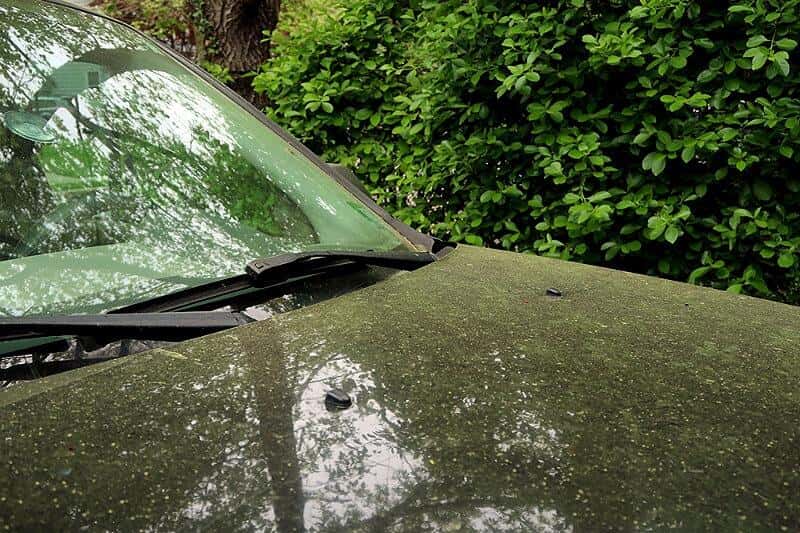
Morgantown sits in a region with substantial hardwood tree cover, and the mix of oak, maple, birch, and other deciduous species common throughout the area produces a pollen season that runs longer and heavier than what drivers in less wooded regions typically experience. Spring tree pollen tends to peak hard and fast here, often coating parked cars in a visible yellow-green film during the heaviest weeks, which is a fairly direct indicator of just how much of that same fine particulate is being drawn into a vehicle’s cabin air intake during normal driving.
Cabin air filters are designed to catch this kind of organic particulate before it circulates through the HVAC system, but a filter rated for a standard service interval under typical pollen conditions can load up considerably faster during Morgantown’s peak spring weeks. If you’re curious about what other seasonal patterns affect Volkswagen maintenance in this region, our blog covers a few related topics worth a look.
How Local Development Adds to the Dust Load
Beyond pollen, Morgantown’s ongoing growth, including development around the WVU campus areas and various construction projects throughout the city, introduces fine airborne dust that a cabin filter also has to manage. Construction sites generate dust from disturbed soil, demolition, and general site activity, and depending on wind conditions, that particulate can travel a meaningful distance before settling, meaning a vehicle doesn’t need to drive directly past a site to pick up some of that additional dust load.
This combination of heavy seasonal pollen and periodic construction dust means Morgantown drivers are asking more of their cabin air filter across a typical year than the manufacturer’s standard interval assumes for average conditions.
What Happens When the Cabin Filter Loads Up
A cabin air filter that’s approaching the end of its usable life doesn’t just let more allergens and dust into the cabin. As particulate accumulates on the filter media, airflow resistance increases, and the HVAC blower motor has to work harder to push the same volume of air through it. Over time, this added strain can shorten the blower motor’s lifespan, and in the more immediate term, it can noticeably reduce how quickly the cabin heats up in winter or cools down in summer, since restricted airflow limits how much conditioned air actually reaches the vents.
- Reduced airflow from the vents even at higher fan settings, often one of the earliest noticeable symptoms
- A musty or stale odor when the AC or heat first activates, particularly during peak pollen weeks
- Slower cabin temperature response, taking noticeably longer to warm up or cool down than expected
- Visible dust or pollen buildup around the glovebox area, where the cabin filter housing is typically accessed
Why a Standard Mileage Interval Doesn’t Fully Fit This Region
Manufacturer-recommended cabin filter intervals are generally built around average driving conditions, which don’t fully account for a heavier pollen season layered on top of periodic construction dust exposure. A vehicle driven the same mileage in a less wooded, less actively developing area may see meaningfully less filter loading over the same timeframe. This is worth keeping in mind heading into spring in particular, since the intensity of Morgantown’s pollen season can load a filter in a matter of weeks that would otherwise take months under more typical conditions.
Rather than relying solely on a generic mileage figure, it’s worth having your cabin filter visually checked during peak pollen season or after a stretch of nearby construction activity, since a quick look often reveals a filter more heavily loaded than its mileage alone would suggest. This kind of check pairs naturally with a broader maintenance visit if you’re already due for other seasonal service.
If your regular driving takes you through Morgantown’s tree-lined neighborhoods or areas near ongoing development, it’s worth having your cabin air filtration checked with that seasonal pattern in mind rather than waiting for reduced airflow or a musty smell to become noticeable. Volkswagen Morgantown, located at 401 Mary Jane Wood Circle, Morgantown, WV 26501, offers cabin air filter inspections and replacement to help keep climate control performing the way it should through every pollen season. You can schedule a service appointment online at your convenience, and our parts center stocks genuine replacement filters for the job.

0 comment(s) so far on Protecting Your VW Cabin & Climate Control from Monongalia County Pollen and Dust