




Rooftop Racks & Cargo Care: Suspension & Aerodynamic Impact on Your VW ID.4 or Taos
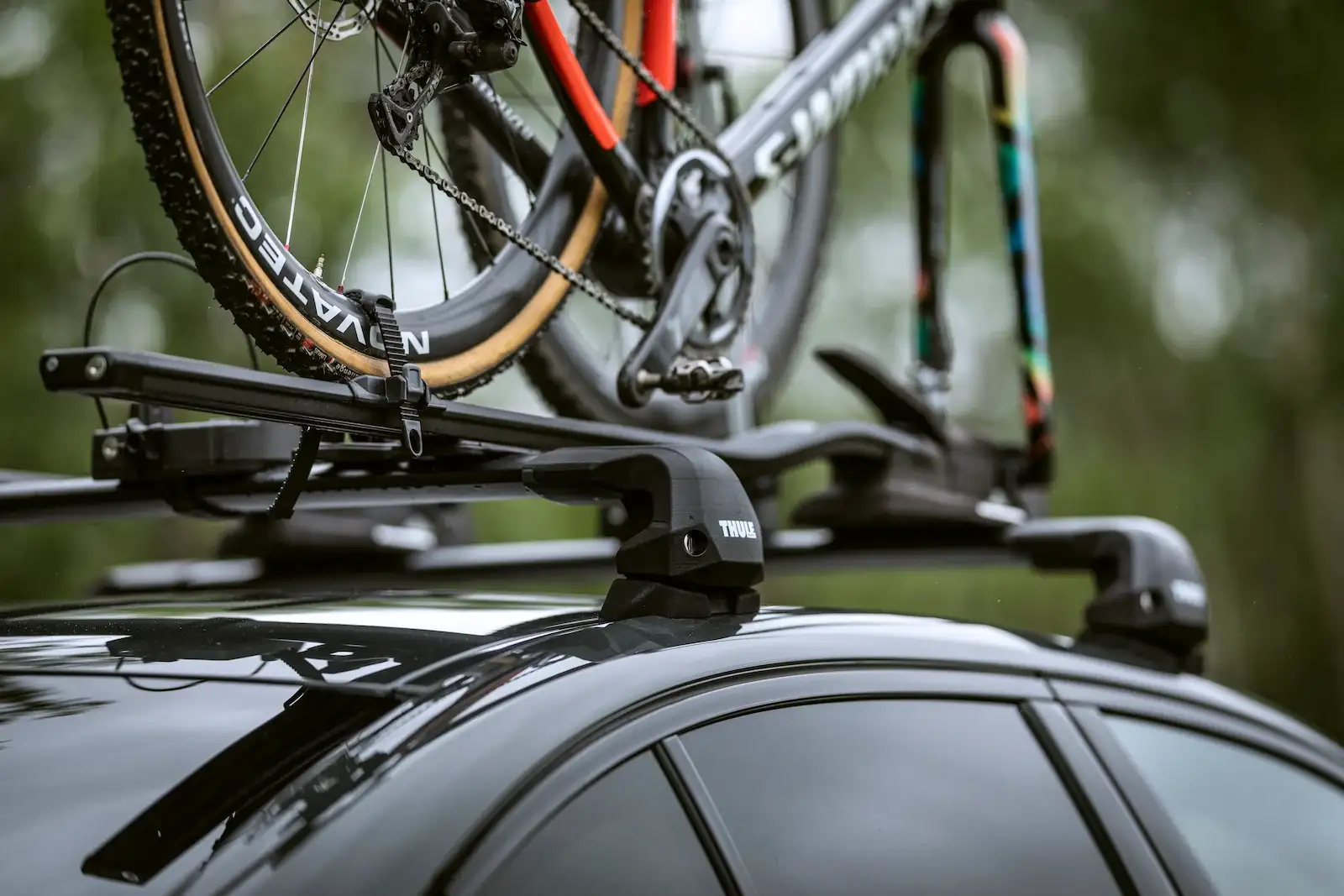
Key Takeaways
- Aerodynamics matter on both models: A roof box or open rack adds drag, which can noticeably reduce ID.4 driving range and Taos fuel economy, especially at highway speeds.
- Respect the roof load limit: Your owner’s manual lists a maximum roof load that includes the weight of the rack itself, and going over it can damage the roof and affect handling.
- Weight changes how your VW drives: Added cargo raises the center of gravity and loads the suspension, which can increase body roll, braking distance, and sensitivity to crosswinds.
- Remove the rack when you are not using it: Leaving crossbars on year-round costs efficiency, adds wind noise, and puts extra strain on mounting points.
Morgantown is a place built for adventure, with Coopers Rock, Cheat Lake, the Deckers Creek trail, and Snowshoe all within reach of a weekend road trip. For many drivers, that means bikes, skis, kayaks, and cargo boxes strapped to the roof of a Volkswagen ID.4 or Taos. A few minutes of pre-trip checks cost a small fraction of what you will pay for a damaged roof, worn suspension components, or a range shortfall that leaves you searching for a charger. The good news is that both vehicles handle gear well when it is loaded and maintained the right way, and a little knowledge goes a long way.
What a Roof Rack Does to Your Volkswagen
Every vehicle is shaped to move through the air with as little resistance as possible. A smooth roofline helps air flow cleanly from the windshield to the rear of the vehicle. When you add crossbars, a ski rack, a bike mount, or a cargo box, you break up that smooth airflow and create drag. The faster you drive, the more that drag matters, because aerodynamic resistance grows quickly as speed increases.
For a gas-powered Taos, that extra drag means the engine works harder and burns more fuel on the highway. For an ID.4, the effect shows up as reduced driving range, since the battery has to supply more energy to push the vehicle through the air. Even an empty set of crossbars can create wind noise and a measurable efficiency penalty. For general information on how added weight and external cargo affect efficiency, FuelEconomy.gov offers helpful tips for every kind of driver.
Know Your Roof Load Limit
Every Volkswagen has a maximum weight rating for the roof, and it is found in the owner’s manual. Two numbers matter. The dynamic roof load limit applies while the vehicle is moving, and it is typically lower than the static limit that applies when the vehicle is parked. The weight of the rack, crossbars, and any box counts toward the total, so a heavy cargo box can use up much of the allowance before you load anything inside.
Exceeding the limit can bend roof structures, damage the paint and seals, and make the vehicle top-heavy and less stable. If your ID.4 or Taos has a panoramic sunroof, pay extra attention to roof rack compatibility and mounting instructions. Use crossbars and mounts that are approved for your specific model and trim, and follow the manufacturer’s installation instructions exactly. If you are unsure which options fit your vehicle, you can explore accessories through the Volkswagen Morgantown parts center.
How Cargo Affects Suspension and Handling
Weight placed high on a vehicle changes how it behaves. A heavily loaded roof raises the center of gravity, which increases body roll in curves and makes the vehicle more sensitive to crosswinds. On the long, exposed stretches of I-79 and I-68, a gust can push a top-heavy vehicle sideways more than you would expect, and the winding grades around Coopers Rock magnify the effect in curves.
The suspension carries the load too. Springs, struts, and bushings are designed for a certain amount of weight, and sustained heavy loads speed up wear. An ID.4, which already carries a heavy battery pack, has less margin than you might think, and adding gear on top of passengers and luggage can push the vehicle closer to its limits. Heavier loads also lengthen braking distances, so allow more space and slow down earlier when the vehicle is loaded.
Warning Signs of Rack and Cargo Problems
Your Volkswagen will tell you when a load is causing trouble. Watch for these signs on trips and after you return:
- New wind noise, whistling, or a humming sound at highway speeds
- Steering that feels light or vague, or a vehicle that sways in crosswinds
- Crossbars or mounts that have shifted, loosened, or leave marks on the roof
- A bike or box that moves, rattles, or vibrates when the vehicle is in motion
- Sagging at the rear, or a nose-up stance when cargo is loaded in the back
- Uneven tire wear or a noticeable drop in range or MPG that does not go away after the rack comes off
If any of these appear, stop at a safe location and check the load, the mounts, and the tire pressure. A quick inspection can prevent a bigger problem down the road.
Tires, Alignment, and Loaded Driving
Tires are the first line of defense when you carry extra weight. Check the tire pressure placard on the driver’s door jamb, which often lists recommended pressures for normal and fully loaded conditions. Underinflated tires run hotter, wear faster, and reduce both range and efficiency, which is a bad combination on a long trip. Check the pressure when the tires are cold, before you leave.
Heavy loads and rough roads also work against alignment. Potholes on the back roads leading to trailheads and lakes can knock the alignment out, and unevenly worn tires or a car that pulls are signs it is time for a check. Make sure your spare, inflator, or repair kit is accessible and not buried under gear. If your vehicle has been carrying heavy loads for a long time, a suspension inspection before a big trip is a smart investment. You can see recommended work on the Volkswagen Morgantown service center page.
Rear and Hitch Carriers: Watch the Sensors
Not every load goes on the roof. Hitch-mounted bike racks and cargo carriers are popular, but they bring their own considerations. A bike or box mounted at the rear can block the rear camera and parking sensors, and it can interfere with the liftgate opening. Always confirm that your vehicle is rated for towing or hitch loads, because ratings vary by model and trim, and the limits for tongue weight are listed in your owner’s manual. Make sure license plates and lights stay visible, and take extra care when reversing, since your sensors may not warn you about the rack.
Smart Loading Habits for Every Trip
Good habits make any trip safer. Place the heaviest items low and inside the vehicle whenever possible, and reserve the roof for lighter, bulky gear like a kayak or a cargo box with soft items. Distribute the weight evenly side to side and keep it centered over the crossbars. Secure everything with the proper straps or mounts, and double check after the first few miles, since loads can shift as they settle.
Keep in mind the height of your vehicle with the rack installed. Parking structures, garages, and drive-through lanes often have posted clearance limits, and a roof box can make a familiar stop a costly mistake. Before you leave, review your route, check the weather, and confirm that your crossbars are tight. Take the rack off when you are finished, and clean the mounting points to keep dirt and grit from scratching the paint. If you want to keep your routine inspections organized, the maintenance menu is a handy place to review what your vehicle may need.
What Prevention Costs vs. What Neglect Costs
Prices vary by model, parts, and labor, so treat these as general comparisons and ask for an estimate before any work begins.
- Pre-trip load and mount check: A few minutes of your time, and the lowest-cost way to prevent a shifting or lost load.
- Tire pressure check and rotation: A small routine cost that protects tires and supports range and fuel economy.
- Suspension inspection: A modest charge that spots worn components before heavy loads stress them further.
- Wheel alignment: A moderate cost that protects tires and handling after rough roads and heavy loads.
- Extra fuel or charging from leaving a rack on: A cost that adds up quietly over a year of daily driving.
- Roof, paint, or sunroof damage from overloading or poor mounting: A major repair cost that is almost always avoidable.
The pattern is easy to see. Small preparation protects the expensive parts of your vehicle, and a few good habits protect your range, your suspension, and your gear.
Get Your Volkswagen Ready for the Next Adventure
Whether you are heading to the trails at Coopers Rock, a weekend at Snowshoe, or a day on the water, your ID.4 or Taos can handle it when you plan ahead. Respect the roof limit, load smart, check your tires, and remove the rack when the trip is over. When you want a professional eye on your suspension, tires, or alignment before the next outing, you can reserve a visit through Schedule Service and let the team at Volkswagen Morgantown, located at 401 Mary Jane Wood Circle, Morgantown, WV 26501, United States help get your Volkswagen ready for the road ahead.

0 comment(s) so far on Rooftop Racks & Cargo Care: Suspension & Aerodynamic Impact on Your VW ID.4 or Taos