




Servicing the Torque-Vectoring Rear Differential on the Refreshed VW Golf R
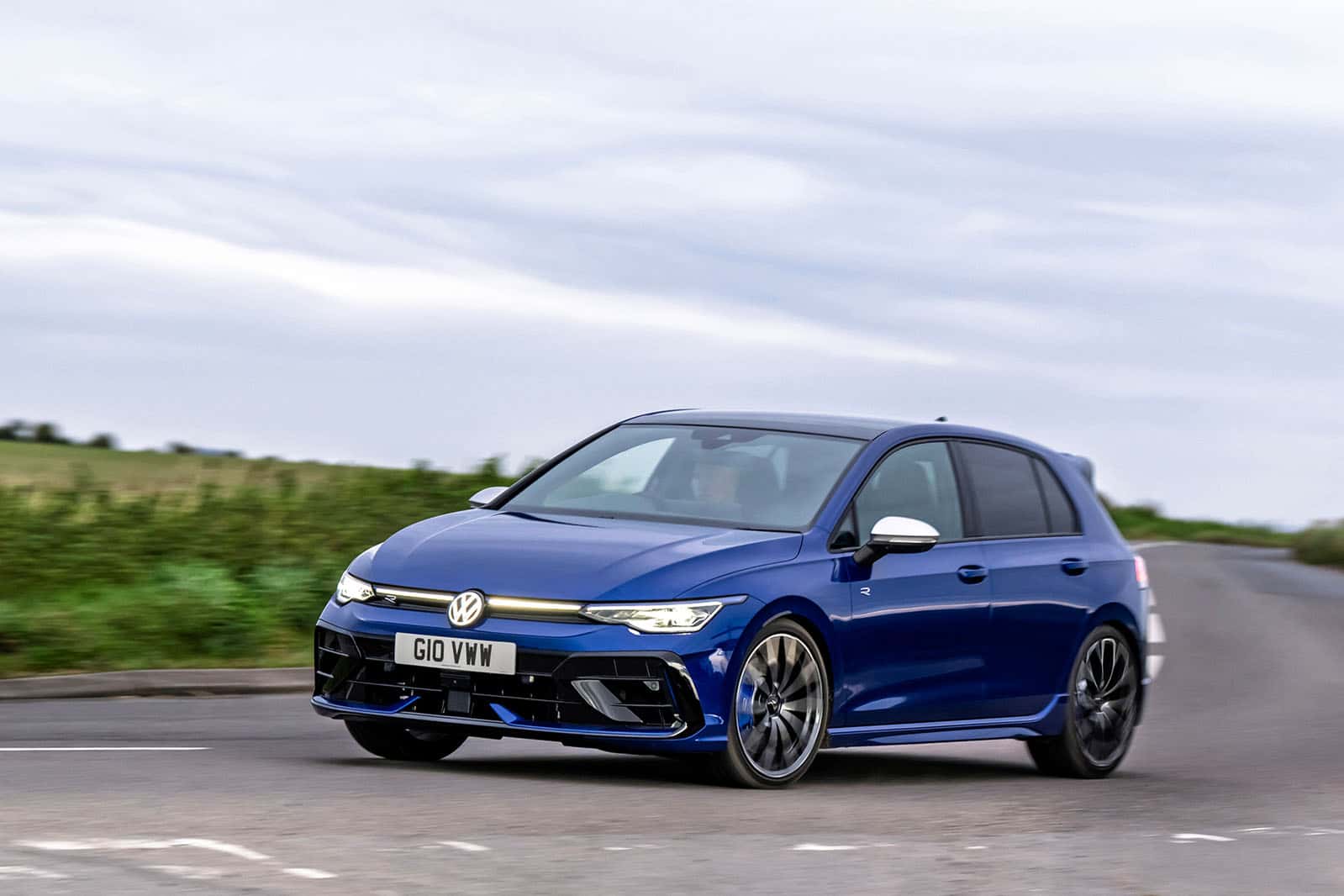
The refreshed VW Golf R is one of the most technically sophisticated hot hatches ever sold in the United States, and the system at the heart of its handling advantage is the Magna torque-vectoring rear differential. It’s the component that makes Drift Mode possible, eliminates the understeer that plagued previous Golf Rs, and allows the car to send up to 100 percent of its rear-axle torque to a single wheel in milliseconds. It’s also a component with a specific service requirement that most Golf R owners don’t know about until they’re well past the service interval.
Understanding what the Magna unit actually does, how it’s built, and what happens to it when its fluid service is neglected is what every Golf R owner in Morgantown should know before the 40,000-mile mark arrives.
What Makes the Golf R’s Rear Differential Different
Every Golf R built on the current MK8 platform, from the 2022 model year through the refreshed 2025 and 2026 versions with their upgraded 328-horsepower output, uses the same fundamental Magna torque-vectoring rear axle. This system replaced the Haldex coupling used in previous Golf R generations and represents a fundamentally different engineering approach.
The previous Haldex system operated as a single multi-plate clutch that could direct torque between the front and rear axles, splitting rear power evenly between the two wheels. The Magna system eliminates that architecture entirely. There is no traditional rear differential with spider gears. Instead, two independent electric-motor-driven clutch packs, one per rear wheel, manage torque distribution on each side individually. A worm gear driven by each electric motor engages and disengages its respective clutch pack, allowing the system to send anywhere from zero to 100 percent of available rear torque to either rear wheel independently.
That capability is what makes the Golf R’s handling so markedly different from AWD systems in competing hot hatches. In a hard corner, the Vehicle Dynamics Manager monitors yaw, wheel speed, throttle position, and steering angle up to 200 times per second and commands the outside rear clutch pack to receive the majority of available torque, tightening the cornering line and eliminating the push that conventional AWD creates mid-corner. In Drift Mode, the system sends all available rear torque to the outside wheel to initiate and sustain controlled oversteer.
That capability does not exist without mechanical components under load, and those components need proper maintenance to keep functioning correctly.
The Three-Chamber Fluid Architecture
The Magna rear differential unit has three separate internal chambers, each with its own drain and fill plug, and each requiring attention at service time. This is the detail most Golf R owners and even some independent shops are unprepared for.
The three sections are:
- The left clutch pack chamber, which holds approximately 400ml of VW part number G055515A2 clutch fluid, a specialized formulation designed for the friction characteristics required by the electrically actuated multi-plate clutch on the left rear wheel
- The right clutch pack chamber, which holds the same G055515A2 fluid in the same quantity; the left and right chambers are mechanically independent and must each be drained and refilled separately
- The center gearbox and final drive section, which holds approximately 800ml of VW part number G060190A2 hypoid gear oil, a different fluid from the clutch packs entirely
Using the wrong fluid in any of these chambers is not a minor error. The clutch pack fluid is formulated specifically for the friction coefficient the electric motor actuators are calibrated around. Substituting generic gear oil or the wrong VW fluid number in the clutch chambers changes how the clutch packs engage, which affects the precision of the torque-vectoring system and can cause shudder, inconsistent engagement, and accelerated clutch wear. The center section’s hypoid fluid requirement is equally specific and must not be used interchangeably with the clutch fluid.
When the Service Interval Falls Due
Volkswagen’s published maintenance schedule calls for the rear differential fluid, covering all three chambers, to be changed every 40,000 miles or four years, whichever comes first. That is the factory minimum. VW’s own erWin technical documentation includes an important qualifier worth noting: depending on driving style, oil degradation in the torque splitter may occur earlier than expected.
For Morgantown-area Golf R owners, that qualifier carries real meaning. The winding roads through Monongalia County, the grades on US-119, and the year-round weather variability that comes with living in the Mountaineer State all represent elevated demand on the torque-vectoring system compared to flat-road, mild-climate driving. Aggressive cornering, repeated Drift Mode use, and sustained hill driving all accelerate fluid degradation in the clutch packs specifically, because those fluids absorb heat from clutch engagement events that simply don’t occur at the same rate in moderate driving.
There is also a broader service check built into VW’s diagnostic protocol for this system: at each inspection interval, the oil condition in the left and right clutch pack chambers should be evaluated electronically using factory diagnostic software. The system generates a readout that allows a trained technician to assess fluid degradation before the 40,000-mile hard interval arrives. This is not a check that any generic OBD-II scanner or aftermarket diagnostic tool can perform. It requires factory-compatible VW diagnostic equipment.
Why the Oil Adaptation Reset Matters
After the fluid change is completed on the Magna rear differential, the procedure is not finished. Volkswagen’s service protocol requires that the oil adaptation values be reset using diagnostic software before the service is considered complete.
This reset matters because the Vehicle Dynamics Manager and the clutch pack control modules learn the engagement characteristics of the clutch fluid over time and adapt their commands accordingly. When fresh fluid goes in, those learned values no longer reflect the current fluid condition. Without the adaptation reset, the control system continues operating on stale calibration data, which can produce subtle but real degradation in the system’s response precision. In a component that makes torque split decisions in milliseconds, calibration accuracy is not a detail that can be skipped.
This reset requires factory VW diagnostic tooling and is documented in the service record at a certified dealership. Independent shops without VW-specific software cannot complete this step, which means an otherwise competently performed fluid change remains technically incomplete without it.
What Neglected Fluid Looks Like in Practice
Golf R owners who have let the torque-vectoring differential fluid service go past its interval commonly report a few recognizable symptoms. Shudder or a notchy feel from the rear axle during low-speed parking lot turns is one of the earlier signs, as degraded clutch fluid causes inconsistent clutch engagement at the low-load, low-speed conditions where the system is most perceptible to the driver. Reduced sharpness in dynamic cornering response, where the car no longer feels as pointed through a fast corner as it once did, can also indicate clutch pack fluid that has lost its designed friction properties.
Left unaddressed, degraded clutch fluid accelerates wear on the multi-plate clutch surfaces themselves. Clutch pack replacement in the Magna unit is a significantly more involved repair than a fluid service, and the cost difference between the two reflects that directly.
Keeping the Golf R Performing as Designed
The Golf R’s torque-vectoring rear differential is what separates it from every other hot hatch in its price range and from every previous Golf R variant. Maintaining it correctly requires knowing the service interval exists, understanding that it involves three separate chambers with two different fluids, and having the reset completed with factory diagnostic equipment after every service.
For Golf R owners in Morgantown who are approaching the 40,000-mile mark or haven’t verified when their last differential service was performed, the factory-trained service team at Volkswagen Morgantown has the VW-specific tooling to complete the full procedure correctly, including the post-service adaptation reset.
Schedule your Golf R differential service appointment with the team at Volkswagen Morgantown, located at 401 Mary Jane Wood Circle, Morgantown, WV 26501, and keep the system that defines this car performing exactly the way Volkswagen R engineered it to.

0 comment(s) so far on Servicing the Torque-Vectoring Rear Differential on the Refreshed VW Golf R