




Signs Your VW Brake Fluid Needs a Flush (And Why 2-Year Intervals Matter)
Key Takeaways
- Brake fluid absorbs moisture over time even in a sealed system. This process, called hygroscopic absorption, happens gradually regardless of how the vehicle is driven.
- A spongy or soft brake pedal is one of the clearest warning signs. Moisture in the fluid lowers its boiling point, which affects pedal feel under hard braking.
- Morgantown’s hilly terrain puts extra demand on the braking system. Frequent grade driving generates more heat, which interacts poorly with moisture contaminated fluid.
- A two year interval is a guideline, not a guarantee. Fluid condition should be checked rather than assumed, especially for vehicles driven frequently on hills.
Brake fluid is one of the few fluids in a vehicle that degrades even when the car barely leaves the driveway. Unlike oil or coolant, which wear down primarily through use, brake fluid is hygroscopic, meaning it draws in moisture from the surrounding air over time, even inside a fully sealed hydraulic system. A routine brake fluid flush costs relatively little, while ignoring degraded fluid can lead to reduced stopping power exactly when a driver needs it most.
Why Brake Fluid Degrades Even When the Car Isn’t Driven
Every brake system has tiny amounts of moisture that work their way in through hoses, seals, and reservoir caps over months and years, regardless of mileage. That moisture mixes with the brake fluid and gradually lowers its boiling point. Under normal daily driving, this goes unnoticed. Under hard or repeated braking, when the fluid heats up significantly, moisture contaminated fluid can begin to boil at a much lower temperature than fresh fluid would, and boiling fluid compresses instead of transmitting pressure the way it should. That is what produces the unsettling feeling of a brake pedal that suddenly sinks toward the floor under hard use.
This is why manufacturers recommend flushing brake fluid on a time based interval, typically around two years, rather than a mileage based one. A vehicle that has been driven very little can still have brake fluid just as compromised as one that has covered thousands of miles, because the moisture absorption happens on a clock, not an odometer.
Recognizing a Spongy or Soft Pedal
One of the more noticeable signs of degraded brake fluid is a change in how the brake pedal feels underfoot. A pedal that used to feel firm and predictable but now feels soft, spongy, or requires being pressed further toward the floor before engaging fully is often telling drivers that air or moisture has compromised the fluid’s ability to transmit hydraulic pressure cleanly. This can be especially noticeable coming down a grade on Don Knotts Boulevard or navigating the hills near Suncrest, where sustained or repeated braking puts more heat into the system than flat, steady driving does.
A soft pedal is not something to wait out. It tends to get more pronounced over time as moisture content in the fluid increases, and in more advanced cases it can be accompanied by a pedal that feels different from one stop to the next, since boiling fluid does not behave consistently.
Other Signs Worth Watching For
- A brake pedal that feels lower than usual or requires more travel before the vehicle begins to slow
- A burning smell after descending a long grade, such as the hill sections along Green Bag Road, which can indicate the brakes working harder than the fluid can properly support
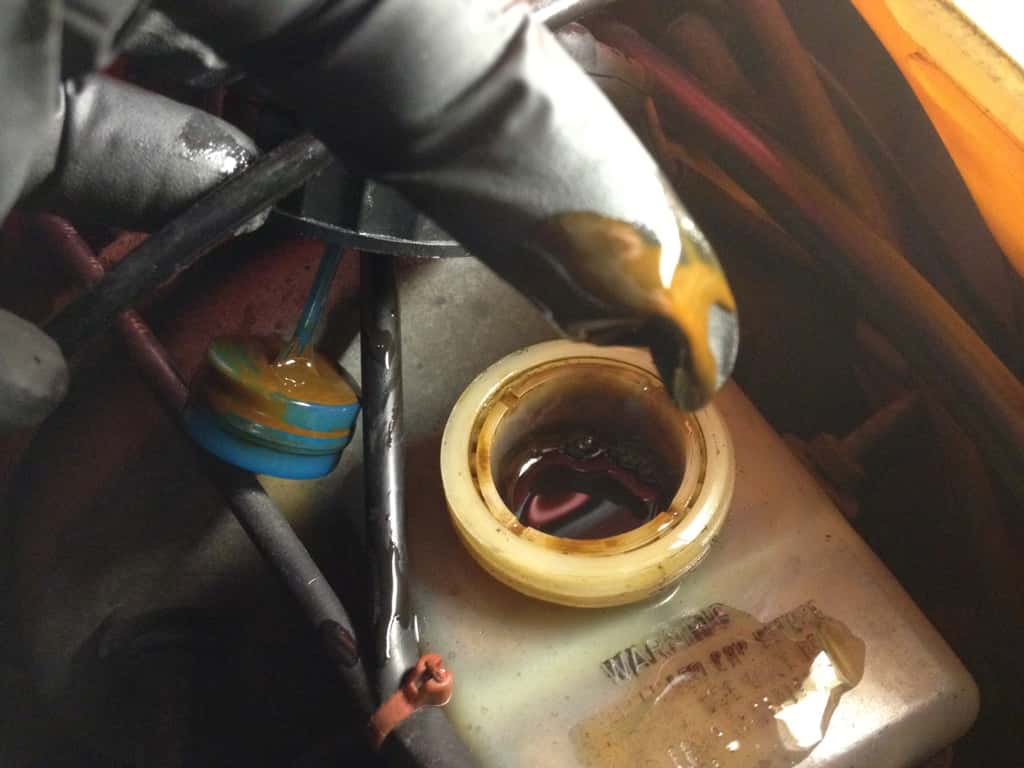
- Visible discoloration in the brake fluid reservoir, since fresh fluid is typically clear to light amber and darkens as it absorbs moisture and contaminants
- A dashboard brake warning light, though fluid degradation from moisture absorption often does not trigger a warning until the fluid level itself has dropped
Any of these on their own is worth a look, and more than one appearing together is a reasonable signal to schedule a flush sooner rather than waiting for the standard interval to arrive.
Why Morgantown’s Terrain Adds to the Equation
Morgantown’s hills, from the climbs near the University Town Centre to the grades throughout the surrounding neighborhoods, mean local drivers lean on their brakes more than someone driving primarily flat roads would. Every downhill stretch that requires sustained or repeated braking generates heat in the brake fluid, and fluid that has already absorbed a meaningful amount of moisture handles that heat far worse than fresh fluid does. This does not mean hilly driving causes brake fluid to degrade faster on its own, since the moisture absorption process happens regardless of terrain, but it does mean that degraded fluid becomes a noticeable problem sooner for Morgantown drivers than it might for someone in flatter terrain, simply because the fluid gets pushed closer to its limits more often.
What a Brake Fluid Flush Involves
- Draining the old fluid from the entire hydraulic system, including the lines running to all four wheels, rather than just topping off the reservoir
- Bleeding the system at each wheel to remove any trapped air along with the old fluid
- Refilling with fresh, manufacturer specified brake fluid that has not yet absorbed moisture and carries its full boiling point protection
- A pedal feel check after the service to confirm the system is firm and responsive
This is a more involved service than a simple fluid top off, since it requires working through the full system rather than a single reservoir, but it is a routine procedure for a technician familiar with the process.
Staying Ahead of the Two Year Mark
Because brake fluid degradation happens gradually and often without an obvious warning sign until the pedal itself starts to feel different, it is easy for the two year interval to slip by unnoticed. Waiting until a spongy pedal or a burning smell shows up means the fluid has likely been compromised for a while already. Treating the two year mark as a guideline rather than a hard rule, and having the fluid actually checked rather than assumed, is the more reliable approach, particularly for a vehicle that spends a lot of time on Morgantown’s hills.
Volkswagen Morgantown, located at 401 Mary Jane Wood Circle, Morgantown, WV 26501, offers brake fluid flushes and inspections for the full Volkswagen lineup, and current service scheduling is available for anyone approaching the two year mark or noticing any of the signs above.

0 comment(s) so far on Signs Your VW Brake Fluid Needs a Flush (And Why 2-Year Intervals Matter)