




Summer in the Laurel Highlands: Why your VW’s brake fluid should be tested for moisture before you head out on winding mountain descents
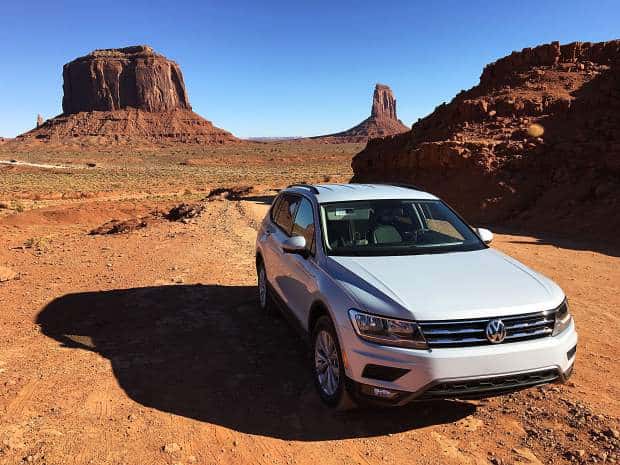
The drive from Morgantown into the Laurel Highlands starts pleasantly enough on US-48 east toward Kingwood, but once the road begins dropping into the deeper terrain past Terra Alta and toward Bruceton Mills, the nature of the drive changes in a way that your brake system notices even when you don’t.
Summer is when most Morgantown-area drivers head into Preston and Garrett counties for weekends at Deep Creek Lake, day trips into the Monongahela National Forest, or the winding back roads that connect small towns through some of the most scenic and technically demanding driving terrain in the mid-Atlantic. What those drives have in common is sustained elevation change, extended descents, and a braking demand that is categorically different from stop-and-go traffic on Beechurst Avenue or the university district. The brake fluid sitting in your VW’s hydraulic system right now was engineered to handle that demand, but only when it’s in the condition it needs to be.
What Brake Fluid Does and Why Moisture Changes Everything
Brake fluid transfers the force of your foot on the pedal through the hydraulic lines to the calipers that clamp the rotors and slow the vehicle. It works because it’s nearly incompressible. Press the pedal, the fluid transmits that force instantly, the calipers respond. The entire system depends on the fluid remaining in a liquid state under heat, because a fluid that vaporizes under braking temperatures becomes compressible, and a compressible fluid means a pedal that travels without generating stopping force.
Fresh DOT 4 brake fluid, which Volkswagen specifies for most of its current lineup, has a dry boiling point around 446 degrees Fahrenheit. That number sounds like significant headroom until you consider that brake rotors on a vehicle descending a sustained grade can reach temperatures well above 400 degrees and that heat transfers from the rotor through the caliper into the fluid lines. The thermal margin between fresh fluid and brake fade on a long descent is real but not unlimited.
Moisture closes that margin fast. Brake fluid is hygroscopic, meaning it continuously absorbs moisture from the atmosphere through the brake lines, reservoir cap, and any microscopic permeability in the system. A fluid that has absorbed just three percent moisture by volume, which can happen in as little as two years under normal driving conditions, has a wet boiling point that drops to around 311 degrees Fahrenheit. The fluid hasn’t changed color noticeably. The pedal feels normal on surface streets. But the thermal headroom that stands between a confident descent and a soft pedal on a switchback above Bruceton Mills has been reduced by a third or more.
Why Laurel Highlands Descents Expose What Flat Road Driving Hides
Normal driving in Morgantown doesn’t put brake fluid under sustained thermal load. A stop from 40 miles an hour, even a firm one, generates heat that dissipates quickly between applications. The system cycles through heat and cool rapidly enough that contaminated fluid rarely reaches its reduced boiling point in everyday conditions. This is precisely why moisture-contaminated fluid can go undetected for years in urban and suburban driving before a mountain descent reveals the problem in a way that’s difficult to ignore.
A descent from the higher terrain in Preston County toward the valley roads near Kingwood or on the back routes through Cranesville toward the Maryland line is a different thermal environment entirely. The grade sustains brake application over minutes rather than seconds. Heat builds in the rotors, transfers into the calipers, and begins working its way into the fluid. A driver descending in a higher gear, applying the brakes repeatedly to manage speed through curves, is putting a cumulative thermal load on the system that flat-road driving never approaches.
The first symptom is usually a pedal that requires slightly more travel than usual. Many drivers interpret this as normal variation or attribute it to the heat of a long drive. What it actually indicates is that fluid near the boiling point is beginning to form vapor pockets in the caliper. As the descent continues and heat accumulates, the symptom progresses. By the time the pedal is noticeably soft or requires significant additional travel, the fluid has already partially vaporized and the braking system is operating below its designed capacity.
Kevin Marsh, a lead technician at Volkswagen Morgantown, works with customers on this every summer. “We always see a few cars come in after a Deep Creek weekend where the owner mentions the brakes felt different on the way back down from the highlands. By the time they’re describing a soft pedal, the fluid test is almost always showing moisture well above the threshold where we’d recommend a flush. The frustrating part is that a test and a flush before the trip would have cost them less than a hundred and fifty dollars.”
How Moisture Testing Works and What the Results Mean
Brake fluid moisture testing is a fast, non-invasive service that takes less than five minutes. A refractometer or electronic tester is inserted into the brake fluid reservoir, and the reading indicates the moisture content by percentage. Volkswagen’s general threshold for recommending a fluid flush is moisture content above two percent, at which point the wet boiling point has dropped enough to represent a meaningful risk on sustained mountain descents.
The test result gives a precise picture rather than an estimate based on service interval alone. A vehicle that’s two years out from its last flush but has been driven primarily in dry conditions may test below the threshold and have additional service life remaining. A vehicle that’s only a year past its last flush but has been driven in high humidity conditions, as anyone driving regularly in the Cheat River valley or along the lower Monongahela corridor knows, may already be at or above the threshold. Testing removes the guesswork.
The flush itself replaces all fluid in the system with fresh fluid at the specified DOT rating. On most VW models the service runs between $100 and $150 at the dealership and takes less than an hour. The dry boiling point is restored to its original specification, the thermal margin on a Laurel Highlands descent returns to what the engineering team intended, and the driver has a precise service record to reference for the next interval.
What Else to Check Before a Mountain Drive
Brake fluid condition is the highest priority pre-trip check for mountain driving, but it works alongside other components that also deserve attention before a sustained descent. Brake pad thickness determines how effectively the rotors are being clamped, and pads that are approaching minimum thickness generate more heat per stop than pads with full material because the reduced mass dissipates heat less effectively. A pad inspection before a highland trip costs nothing when it’s folded into a service visit and avoids the significantly more expensive outcome of rotor damage from metal-on-metal contact.
Rotor condition affects heat management directly. Rotors that are at or near minimum thickness have less thermal mass to absorb and dissipate heat, which means they reach higher peak temperatures per brake application and transfer more of that heat into the calipers and fluid. Rotor replacement on most VW models runs $200 to $400 per axle including labor, which is a straightforward cost when planned. A rotor that warps or cracks on a descent above Kingwood is a different conversation.
Tire condition deserves a look as well. Braking performance on the descending curves between Terra Alta and the valley roads depends on the contact patch between the tire and the pavement. Tires below 4/32 inches of tread depth are operating outside the wet traction range where braking distances are predictable. Given that summer storms in Preston County can leave mountain road surfaces wet with very little warning, starting a highland trip on marginal tires removes a safety margin that the terrain demands.
Here’s a pre-trip checklist worth working through before any sustained mountain drive from Morgantown into the Laurel Highlands:
- Brake fluid moisture test: Request the test at your next service visit or as a standalone appointment. Results above two percent moisture indicate a flush is needed before the trip. Cost of a flush runs $100 to $150.
- Brake pad thickness: Have pads measured if it’s been more than 15,000 miles since the last inspection. Pads below 3mm are approaching the range where heat generation increases and rotor damage risk rises.
- Rotor condition: Ask the technician to note rotor thickness and surface condition. Scored or heat-marked rotors on a vehicle heading into mountain terrain warrant replacement before the trip rather than after.
- Tire tread depth: Check all four tires against the 4/32 inch wet-weather threshold, not just the legal minimum of 2/32. The difference matters on a wet switchback.
The 30-Day Action Plan for Morgantown VW Owners
If a Laurel Highlands trip is on the calendar in the next month, the brake fluid test should happen before the trip rather than at the next scheduled service interval. The test is fast, the result is definitive, and the flush, if needed, restores the system to full specification in a single appointment. Scheduling it alongside an oil change or tire rotation means no additional trip to the dealership.
For drivers who make regular summer runs into Preston and Garrett counties, building an annual brake fluid test into spring service makes the pre-trip check automatic rather than something to remember before each individual drive. Volkswagen recommends a flush every two years under standard conditions, but annual testing lets the fluid’s actual condition determine the interval rather than the calendar alone.
The Laurel Highlands reward the drivers who come prepared. The roads between Morgantown and Deep Creek Lake are genuinely among the better driving routes in the region, and a VW with a properly maintained braking system handles them the way the engineering intended. Bring it in before the season gets away from you and let the service team at Volkswagen Morgantown confirm the system is ready. Schedule online or stop in at 401 Mary Jane Wood Circle, Morgantown, WV 26501.

0 comment(s) so far on Summer in the Laurel Highlands: Why your VW’s brake fluid should be tested for moisture before you head out on winding mountain descents