




The “Euro Style” Golf R: Why the new Akrapovič titanium exhaust on the 2026 Golf R requires specialized inspection
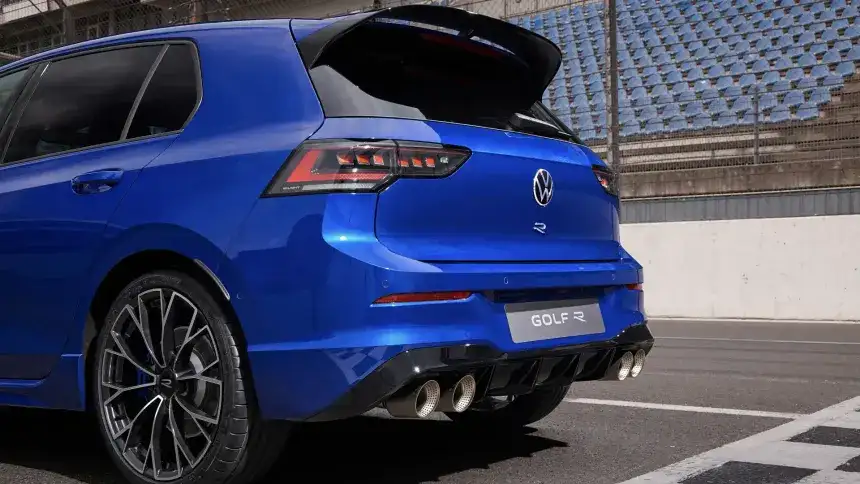
Last month, a 2026 Golf R came in from Cheat Lake after its owner had noticed a subtle change in exhaust tone and a slight reduction in the characteristic Akrapovič crackle on overrun that had been present since delivery four months earlier. He had assumed the change was normal break-in variation and kept driving his regular routes on WV-7 and through the Morgantown area without scheduling an inspection. When our technician inspected the system, a mounting bracket had cracked from the combination of WV road vibration and a thermal expansion cycle that hadn’t been properly accounted for at installation, allowing the titanium midpipe to move slightly out of its designed alignment. The mounting inspection and bracket replacement at the first sign of the tone change? $240. The midpipe realignment, bracket replacement, and flange reseal required after four months of misaligned thermal cycling had stressed the connection points? $890.
That four-month gap between a noticeable change in exhaust behavior and a resolved inspection is the most preventable version of a performance exhaust story we hear at Volkswagen Morgantown, and on the Akrapovič system it carries cost implications that a standard exhaust issue simply doesn’t. Akrapovič components are precision-manufactured performance hardware with replacement costs that reflect that precision. A mounting bracket that costs $240 to address becomes a midpipe stress situation that costs nearly four times as much when the bracket failure is left to progress through four months of West Virginia thermal cycling and road vibration.
Monongalia County Golf R owners who opted for the Akrapovič titanium exhaust on the 2026 model made a specific choice about how their vehicle sounds, performs, and presents on the road. That choice comes with a service context that differs meaningfully from a standard Golf R exhaust, and understanding what the Akrapovič system specifically requires from an inspection and maintenance standpoint is the foundation for protecting that investment across years of WV ownership.
This guide covers what makes the Akrapovič titanium exhaust different from VW’s standard exhaust system, why Morgantown and Monongalia County driving conditions create specific inspection priorities for this system, and what the service calendar should look like for 2026 Golf R owners with this upgrade.
What the Akrapovič Titanium Exhaust Actually Is
Akrapovič is a Slovenian performance exhaust manufacturer whose systems are specified by several European manufacturers as factory options on their highest-performance models. The 2026 Golf R’s available Akrapovič system is not an aftermarket addition in the conventional sense. It is a factory-engineered, VW-approved performance option that is designed, tested, and validated specifically for the Golf R’s 2.0-liter TSI engine in its 328-horsepower R configuration.
The system uses Grade 5 titanium alloy for the primary components, a material choice that delivers three specific performance advantages over the standard stainless steel exhaust. Titanium is approximately 45 percent lighter than equivalent stainless steel components, which reduces unsprung and total vehicle weight in a way that benefits the Golf R’s handling dynamics. Titanium has a higher strength-to-weight ratio than stainless steel, allowing thinner wall sections that contribute to both weight reduction and the distinctive acoustic character the system produces. And titanium’s thermal expansion coefficient differs from stainless steel in ways that affect how the system behaves through heat cycles, which has direct implications for inspection requirements.
The Acoustic Valve System and Its Service Implications
The 2026 Golf R’s Akrapovič system includes an electronically controlled acoustic valve that modulates exhaust flow between the system’s bypass and primary paths, allowing the driver to select between a more subdued sound profile for residential driving on Morgantown’s neighborhood streets and the full Akrapovič character for spirited driving on WV-7 or the open stretches of I-68 toward Maryland.
The acoustic valve is an electromechanical component that operates in the high-temperature environment of an active exhaust system. It is actuated by a servo motor that responds to signals from the Golf R’s drive mode selector, and its function depends on a clean valve seat, unobstructed valve movement, and a servo motor that is operating within its designed current draw parameters.
West Virginia’s road environment creates specific stress on this valve system that moderate-climate, flat-terrain Golf R ownership doesn’t produce at the same rate. The combination of road vibration on the WV-705 and Beechurst Avenue corridor, the thermal cycling of repeated grade climbs on I-79, and the moisture exposure of Morgantown’s significant annual rainfall all affect the valve seat and servo mechanism in ways that a bi-annual inspection surfaces before they affect system function. 🔧
Why Titanium Behaves Differently Than Standard Exhaust Steel
This is the technical context that most Golf R owners who selected the Akrapovič system weren’t fully briefed on at delivery, and it’s the most important engineering characteristic to understand for WV service planning.
Titanium expands and contracts at a different rate than the stainless steel flanges, brackets, and connection hardware that interface the Akrapovič components with the Golf R’s exhaust system and chassis. This differential thermal expansion means the joints between titanium components and their steel connection points experience relative movement on every heat cycle, movement that the system’s flexible sections and spring-loaded connections are designed to accommodate within their designed tolerance range.
When a mounting bracket cracks, a spring clamp fatigues, or a flange connection loosens, the differential thermal expansion that was being managed within designed tolerances begins to stress the titanium components in ways they weren’t designed to absorb. The result is the kind of progressive misalignment and stress concentration that the Cheat Lake Golf R owner experienced, where a mounting issue that began as a bracket crack became a midpipe alignment and flange stress situation over four months of unaddressed thermal cycling on Morgantown roads.
Why Morgantown’s Roads Create Specific Akrapovič Inspection Priorities
The Monongalia County driving environment interacts with the Akrapovič system’s titanium construction in specific ways that Golf R owners in flatter, more moderate-climate markets don’t encounter at the same intensity.
Road surface quality on the routes that most Morgantown Golf R owners drive regularly varies significantly. Beechurst Avenue, the Patteson Drive corridor through the university area, and the approach roads around downtown Morgantown combine the kind of pavement irregularity that transmits chassis vibration at the frequencies most likely to stress exhaust mounting hardware. The Akrapovič system’s lighter weight, which is one of its performance advantages, also means it has less inertial damping against high-frequency vibration than a heavier standard system would. The mounting brackets and hangers that support the system against chassis vibration are the components that this vibration environment stresses most directly.
The grade driving on I-79 between Morgantown and Fairmont and the elevation changes on US-119 south of Morgantown create the thermal cycling conditions most demanding for the titanium-to-steel connection interfaces. A Golf R that completes a sustained grade climb generates exhaust temperatures that bring the titanium components to near-peak operating temperature, and the subsequent cooldown on a Morgantown surface street produces a complete contraction cycle from peak to ambient temperature. Each complete cycle accumulates fatigue on the connection hardware at a rate that WV mountain driving accelerates relative to flat-terrain use.
Morgantown’s rainfall, which is among the higher annual precipitation totals in West Virginia at approximately 45 inches per year, creates sustained moisture exposure for undercarriage exhaust components that accelerates corrosion on the steel hardware interfacing with the titanium system. The titanium components themselves are highly corrosion-resistant, but the carbon steel brackets, the mild steel chassis attachment points, and the hardware connecting the Akrapovič components to the Golf R’s body are susceptible to the corrosion that wet WV conditions produce.
A Golf R owner from Star City came in last spring after noticing a drone at highway speed on I-79 that hadn’t been present through the winter. The drone frequency changed with vehicle speed rather than engine RPM, indicating a resonance issue rather than an engine management concern. Inspection found a rear hanger bracket that had corroded through at its chassis attachment weld, allowing the rear section of the Akrapovič system to move enough at highway speed to create the resonance the driver was hearing. Caught at the spring inspection with bracket replacement and reweld: $310. Left through summer until the bracket separated entirely and allowed the rear section to contact the underfloor: titanium rear section replacement at $1,640.
Warning Signs Your Akrapovič System Needs Inspection
The Akrapovič system communicates its condition through acoustic and physical signals that are distinct from standard exhaust issues and worth understanding specifically for 2026 Golf R owners in the Morgantown area.
A change in exhaust tone on overrun or during the transition between drive modes that wasn’t present at delivery is the most sensitive early indicator that something in the acoustic valve system or the exhaust routing has changed. The Akrapovič system’s sound character is precise and consistent when functioning correctly. Any deviation from the established sound profile warrants an inspection rather than an assumption that the change is normal variation.
A drone or resonance at specific highway speeds on I-79 or I-68 that changes with vehicle speed rather than engine load indicates a mounting or hanger issue allowing the system to vibrate at a resonance frequency that it wouldn’t produce when correctly supported.
A visible change in exhaust tip alignment, where one or both of the Akrapovič tips have shifted position relative to the rear diffuser cutouts, is the most visually obvious sign of a mounting issue that has allowed component movement beyond the system’s designed tolerance range.
A ticking or clicking sound from the exhaust area during the first few minutes of a cold start that is different in character from normal thermal expansion noise indicates a joint or connection that has developed play beyond its designed tolerance.
Any exhaust smell in the cabin during normal driving indicates a leak at a joint, flange, or connection point that requires immediate attention. The Golf R’s low seating position and the Akrapovič system’s proximity to the cabin’s rear air management make this symptom more immediately relevant than it would be on a taller vehicle. 🔧
Acoustic valve behavior that has become inconsistent, where the selected drive mode doesn’t reliably produce the expected sound character, points to the servo mechanism or valve seat that the inspection protocol at our Mary Jane Wood Circle location evaluates specifically.
The Akrapovič Inspection Protocol at Volkswagen Morgantown
A proper Akrapovič system inspection differs from a standard exhaust inspection in several specific ways that reflect the titanium construction, the acoustic valve system, and the differential thermal expansion characteristics described earlier.
The inspection begins with a cold-state visual assessment of all mounting brackets, hangers, and chassis attachment points before the system is thermally expanded, because certain stress cracks and hardware fatigue are more visible in the cold contracted state than after heat cycling has closed them temporarily. This cold assessment is followed by a system operation check through all drive modes to confirm acoustic valve function, valve seating consistency, and servo current draw within specifications.
The system is then inspected after a heat cycle that brings it to operating temperature, assessing the flange connections and flexible section integrity in the expanded state where differential thermal expansion is at its maximum. Spring clamp preload, which is the mechanism that maintains sealing force across the titanium-to-steel connection interfaces despite differential expansion, is checked against the specified preload range for the 2026 application.
Cost comparison for proactive Akrapovič inspection vs. reactive repair:
Annual proactive inspection approach:
- Cold and hot state mounting inspection: $120 to $160
- Acoustic valve function and servo check: $80 to $120
- Spring clamp preload assessment and adjustment if needed: $60 to $100
- Bracket and hanger hardware replacement if wear found: $180 to $320
- Smart proactive annual total: $440 to $700
Reactive approach after mounting failure or component stress:
- Midpipe realignment and flange reseal after mounting failure: $480 to $680
- Titanium component replacement if stress damage occurs: $1,200 to $2,400
- Acoustic valve servo replacement after contamination damage: $380 to $520
- Total reactive cost range: $2,060 to $3,600
Your savings from an annual proactive inspection: $1,360 to $2,900. On Akrapovič component pricing, the gap between proactive and reactive is among the widest of any service item on the 2026 Golf R platform.
“The Akrapovič system on the 2026 Golf R is one of the more rewarding factory options VW has offered in years, and I say that as someone who listens to these cars all day,” says Patrick Donnelly, Master VW Performance Technician at the Mary Jane Wood Circle location. “What I want every Morgantown Golf R owner to understand is that this system needs a dedicated inspection twice a year in our driving environment. The combination of WV road vibration, the grade thermal cycling, and our rainfall doesn’t give the mounting hardware an easy life. Catching a bracket issue early is a two-hundred-dollar conversation. Catching a midpipe stress fracture is a completely different discussion, and on titanium components, that discussion is expensive.”
Your 30-Day Akrapovič Owner Action Plan
This week: Do a dedicated acoustic assessment on a familiar low-traffic route in Morgantown, ideally a stretch of WV-7 or the quieter sections of Beechurst Avenue where ambient noise is low enough to hear the exhaust character clearly. Drive through all available drive modes and note the transition between them, the overrun character on a lift-throttle deceleration, and whether the acoustic valve transition sounds crisp and immediate or hesitant and inconsistent. This assessment establishes your personal baseline for the system’s sound profile and gives you the reference point for identifying any future deviation that warrants an inspection call.
Within two weeks: Do a visual inspection of the Akrapovič exhaust tips from behind the vehicle and confirm their alignment relative to the rear diffuser cutouts is symmetric and matches their position at delivery. If either tip has shifted or the alignment between the two tips has changed, that visual change reflects mounting movement that deserves a professional assessment before additional thermal cycling advances the underlying cause further.
By month’s end: Schedule your first dedicated Akrapovič inspection at the Mary Jane Wood Circle location, particularly if your 2026 Golf R has accumulated more than 5,000 miles of Morgantown and WV mountain driving. Our VW performance-certified technicians will complete the cold and hot state inspection protocol described above, check the acoustic valve servo function, assess spring clamp preload, and give you a documented baseline of your system’s mounting condition that makes every subsequent inspection faster and more specific. Setting a twice-yearly inspection cadence, spring and fall, aligns with the seasonal driving transitions that most stress the mounting hardware and is the service rhythm that protects the Akrapovič investment most effectively on WV roads.
These three steps take less than an hour of your actual time and establish the inspection foundation that keeps the most distinctive feature of your 2026 Golf R performing with the precision and sound character that made it worth choosing.
The Akrapovič titanium exhaust is one of the genuine highlights of the 2026 Golf R ownership experience, and Morgantown’s roads provide exactly the kind of driving environment where its performance character is most rewarding. Protecting that character through a dedicated inspection protocol is not a complicated commitment. It’s a straightforward acknowledgment that precision performance hardware in a demanding WV driving environment deserves the specific attention that standard exhaust service doesn’t provide.
Schedule Your Akrapovič Inspection Today
The Cheat Lake Golf R owner from the opening had his mounting bracket replaced, his midpipe realigned, and his flange connections resealed in a single appointment at our Mary Jane Wood Circle location. He set a spring and fall inspection reminder before leaving, listened to his exhaust crackle back to its delivery-day character on WV-7 on the way home, and has not missed an inspection since. The sound that made him choose the Akrapovič option is intact, and the investment that sound represents is properly protected.
At Volkswagen Morgantown, our VW performance-certified technicians inspect and service the Akrapovič exhaust system with the specific protocol, tooling, and titanium-exhaust expertise that this system requires. Whether your Golf R is approaching its first inspection milestone, you’ve noticed a change in sound character, or you simply want the confidence of a documented baseline assessment of your system’s mounting condition, we’ll give you an honest evaluation and a clear service plan.
Schedule your Akrapovič inspection today by contacting our service department or booking online. You’ll find us at 401 Mary Jane Wood Circle, Morgantown, WV 26501.
Proper Akrapovič system care preserves the performance character and acoustic precision that define the 2026 Golf R ownership experience, protects the titanium components that make this system worth its premium, and ensures every WV road ahead sounds exactly the way Volkswagen and Akrapovič engineered it to. That is what specialized inspection delivers.

0 comment(s) so far on The “Euro Style” Golf R: Why the new Akrapovič titanium exhaust on the 2026 Golf R requires specialized inspection