




The Impact of High-Altitude Storage on Your VW’s Starter Battery
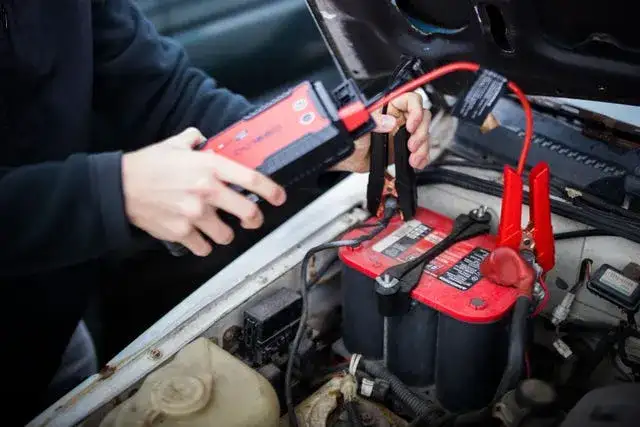
If you have ever walked out to your Volkswagen on a cold Morgantown morning and been met with nothing but a click, you already understand the frustration of a battery that has given up without warning. What most drivers do not realize is that high-altitude storage combined with West Virginia winters can cut a starter battery’s lifespan by as much as 30 to 40 percent compared to vehicles stored at lower elevations.
Morgantown sits at an elevation that places it well above many surrounding communities, and the combination of thinner air, temperature swings, and extended parking periods creates a uniquely challenging environment for your VW’s starter battery. Whether you park your Tiguan in a hillside driveway off Chestnut Ridge Road, store your Golf near the Monongalia County line, or leave your Atlas sitting through a long weekend while you travel, the altitude factor is working against your battery in ways most drivers never consider. This guide breaks down exactly what is happening, what to watch for, and how Volkswagen Morgantown can help you stay ahead of it.
What High-Altitude Storage Actually Does to a Starter Battery
Most drivers think of battery problems as a cold weather issue, and while temperature certainly plays a role, elevation adds a layer of stress that compounds the problem significantly. At higher altitudes, the air is thinner and contains less oxygen, which affects how your vehicle’s charging system operates and how efficiently your battery holds and recovers a charge.
Reduced Charging Efficiency
Your VW’s alternator is designed to recharge the starter battery while the engine runs. At higher elevations, the engine works slightly harder to compensate for reduced air density, which creates minor but cumulative inefficiencies in the overall electrical system. Over time, this means your battery may not be receiving a full charge on shorter trips around Morgantown, leaving it in a perpetual state of partial charge that accelerates internal degradation.
Temperature Swings and Cell Stress
Morgantown’s elevation amplifies the temperature differential between day and night, particularly during the shoulder seasons of fall and spring. A battery that heats up during an afternoon drive and then sits overnight in near-freezing temperatures experiences repeated thermal expansion and contraction within its cells. This cycle weakens the internal plate structure of the battery and reduces its overall capacity over time, often without any visible warning until the battery fails completely.
Extended Storage Periods
Many Morgantown residents store a second vehicle, a seasonal car, or a weekend VW for weeks at a time during winter. At altitude, a battery in storage self-discharges faster than it would at sea level due to the increased chemical activity triggered by temperature fluctuation. A battery left sitting for four to six weeks in a hillside garage near Suncrest or Star City can drop below the threshold needed for reliable starting, even if it tested perfectly at its last service visit.
How Long Should a Starter Battery Last in Morgantown Conditions
Under ideal conditions, a modern Volkswagen starter battery is rated to last between four and six years. However, drivers in elevated areas like Morgantown who experience harsh winters, frequent short trips, and extended storage periods often find their batteries failing closer to the two to three year mark. The combination of altitude-related charging inefficiency and thermal cycling creates an environment where even a quality OEM battery struggles to reach its rated lifespan.
Understanding this shortened window is important because starter battery failure rarely comes with much advance notice. One morning your VW starts fine, and the next it does not. Being proactive about testing and replacement on a Morgantown timeline rather than a manufacturer average timeline is the smarter approach.
Warning Signs Your VW Battery Is Struggling at Altitude
Catching a failing battery early is far less expensive than a roadside breakdown or a tow from somewhere along Chestnut Ridge Road or University Avenue. Watch closely for these indicators:
- Slow or labored cranking on startup: If your engine takes noticeably longer to turn over in the morning, the battery is likely struggling to deliver sufficient cranking amps in cooler, higher-altitude conditions.
- Dim headlights or interior lights at idle: Reduced voltage output from a weakening battery shows up first in lighting, particularly when the alternator is not actively supplementing the charge.
- Frequent need to jump start: A battery that has needed a jump start more than once in a season is past the point of hoping for recovery and should be tested immediately.
- Battery warning light on the dashboard: This light indicates the charging system is not maintaining proper voltage levels, which can stem from either the battery itself or the alternator.
- Swollen or bloated battery case: Thermal cycling at altitude can cause the battery casing to swell visibly, which is a sign of internal damage and an immediate replacement situation.
- Electrical gremlins or unexpected module resets: Infotainment resets, seat memory loss, or erratic behavior from driver assistance systems can all be early signs of inconsistent battery voltage.
- Battery age beyond three years in Morgantown storage conditions: Even if the battery appears to be functioning normally, a battery older than three years in high-altitude storage conditions warrants a professional load test before winter sets in.
Real VW Drivers, Real Battery Stories in Morgantown
Derek M., a WVU faculty member who parks his 2020 Jetta in a hillside lot off Monongalia Avenue each workday, noticed his car was cranking more slowly on cold mornings but assumed it was just the weather. When he brought it into Volkswagen Morgantown for a routine oil change, the service team ran a complimentary battery load test and found the battery was operating at just 58 percent of its rated capacity despite being only two and a half years old. A proactive replacement saved Derek from what would have almost certainly been a no-start situation before the end of the semester.
Sandra K., who stores her 2019 Golf for several weeks each winter while visiting family out of state, returned home one February to find her car completely unresponsive in her garage near Star City. The battery had self-discharged below recovery threshold during the storage period. After a replacement and a conversation with her service advisor at Volkswagen Morgantown, Sandra now uses a battery maintainer during extended storage periods and has not had an issue since.
What a Proactive Battery Service Actually Costs
Many drivers put off battery testing because they assume it is expensive or inconvenient. The reality is that proactive battery maintenance is one of the most cost-effective services you can invest in as a Morgantown VW owner.
Professional Battery Load Test:
- Cost: $0 to $25 at most dealerships, often complimentary with other services
- What it tells you: Exact remaining capacity, cold cranking amp output, and charging system health
OEM Volkswagen Battery Replacement:
- Parts: $150 to $250 depending on model and battery group size
- Labor: $40 to $80
- Total: $190 to $330
Cost of Ignoring It:
- Emergency roadside assistance: $75 to $150
- Towing from a Morgantown hillside location: $100 to $200
- Rush replacement at an unfamiliar shop: $250 to $400
- Total potential cost: $425 to $750
The math strongly favors a proactive approach, especially for drivers in elevated storage conditions.
Your 30-Day Action Plan for Morgantown VW Drivers
This month, take a few minutes to think honestly about your battery’s age and your storage habits. If your VW is approaching the two to three year mark and spends regular time parked on a hillside driveway near Chestnut Ridge Road or sitting for extended periods in a garage near Suncrest, schedule a battery load test before the next cold snap arrives. If you already noticed any of the warning signs listed above, do not wait. A slow crank on a Tuesday morning can easily become a no-start on a Wednesday when you need to get to campus or across town for work.
Ask the service team at Volkswagen Morgantown about battery maintainers if you store your vehicle for weeks at a time. A quality maintainer costs between $30 and $80 and can extend battery life significantly in high-altitude storage conditions. It is one of the simplest and most overlooked tools for Morgantown VW owners who want to avoid preventable battery failure.
A single service appointment this month could add a full year or more to your current battery’s life and save you from a far more inconvenient and expensive situation down the road.
Volkswagen Morgantown Is Here to Help
Our certified service team at Volkswagen Morgantown has seen firsthand how elevation, temperature swings, and extended hillside storage affect VW batteries throughout the Monongalia County area. We offer thorough battery load testing, honest assessments, and genuine Volkswagen replacement batteries that are matched precisely to your vehicle’s electrical demands. Whether you drive through campus on University Avenue daily or store your VW through the winter months, we are ready to help you stay ahead of a battery failure before it catches you off guard. Stop by and see us at 401 Mary Jane Wood Circle, Morgantown, WV 26501 and let our team give your battery the attention it deserves before the next cold season arrives.

0 comment(s) so far on The Impact of High-Altitude Storage on Your VW’s Starter Battery