




VW Atlas vs. Tiguan: Maintenance Differences Explained
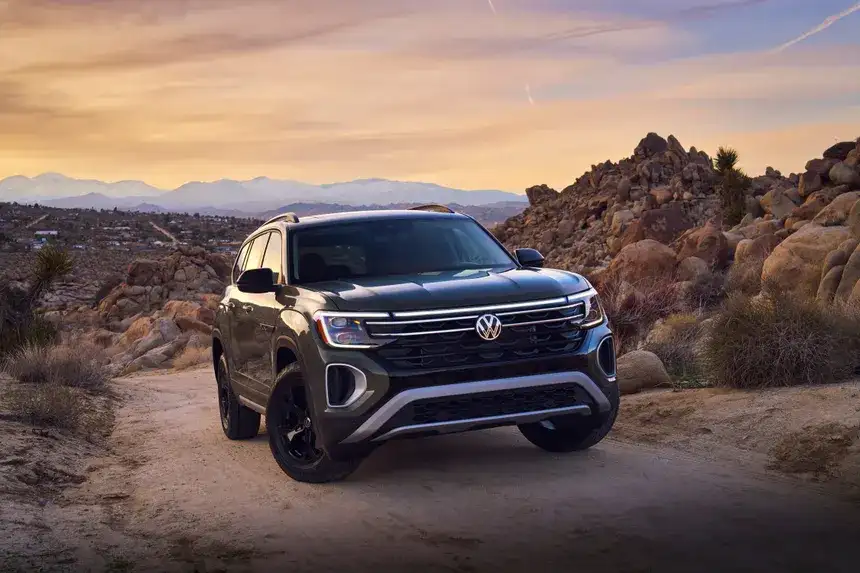
Last spring, a Morgantown family traded their well-maintained Tiguan for a new Atlas to accommodate three children, assuming maintenance costs would be similar since both are Volkswagen SUVs. After a year of Atlas ownership, they were surprised to discover their annual maintenance expenses had increased by approximately 40%. The Atlas’s larger brakes required more expensive pad and rotor replacement ($950 versus $680 for the Tiguan), the six-cylinder engine used more expensive synthetic oil and required more of it ($95 versus $75), larger tires cost significantly more to replace ($1,200 versus $850 for a set), and the heavier vehicle consumed brake pads 30% faster despite similar driving patterns. The pre-purchase consultation that would have explained these differences and helped them budget accurately? Free.
Many Morgantown area VW owners considering the move from Tiguan to Atlas—or choosing between the two for their first VW purchase—don’t realize these vehicles have significantly different maintenance requirements and costs. While both are capable, well-engineered SUVs, the Atlas’s larger size, heavier weight, available third-row seating, and more powerful engine options create maintenance needs that differ substantially from the compact Tiguan.
Understanding these differences helps potential buyers make informed decisions, allows current owners to budget appropriately, and prevents the surprise maintenance bills that occur when owners assume both vehicles cost the same to maintain. The Atlas isn’t necessarily more expensive to own—it provides more capability, space, and power—but its maintenance reality differs from the Tiguan’s in specific, measurable ways.
If you’re deciding between Tiguan and Atlas, own one and are considering switching to the other, or simply want to understand what your VW SUV actually costs to maintain, understanding these differences provides the information you need for smart ownership decisions.
Vehicle Specifications That Affect Maintenance
The fundamental differences between Tiguan and Atlas create cascading effects on maintenance needs and costs.
Size and Weight Differences
Tiguan:
- Length: 185-186 inches
- Width: 72-73 inches
- Curb weight: 3,650-4,100 pounds
- Seating capacity: 5 passengers (7 in long-wheelbase Tiguan)
- Cargo capacity: 37.6-73.5 cubic feet
Atlas:
- Length: 198 inches
- Width: 78 inches
- Curb weight: 4,400-5,000 pounds
- Seating capacity: 7 passengers
- Cargo capacity: 20.6-96.8 cubic feet
Weight difference: The Atlas weighs 750-900 pounds more than the Tiguan. This additional mass affects:
- Brake wear rates (more weight requires more braking force)
- Tire wear patterns and longevity
- Suspension component stress
- Fuel consumption (affecting annual fuel costs)
Engine Options
Tiguan:
- 2.0L turbocharged four-cylinder
- 184 horsepower
- Oil capacity: 5.8 quarts
- Premium fuel recommended
Atlas:
- 2.0L turbocharged four-cylinder (base)
- 3.6L VR6 (optional/standard on higher trims)
- 235 horsepower (2.0T) or 276 horsepower (VR6)
- Oil capacity: 5.8 quarts (2.0T) or 6.4 quarts (VR6)
- Regular fuel acceptable (2.0T), Premium recommended (VR6)
Engine maintenance differences:
- The VR6 requires more oil per change
- The VR6 uses more expensive spark plugs (6 versus 4)
- The VR6 requires premium fuel for optimal performance
- The VR6’s additional complexity means slightly higher diagnostic costs
Transmission and Drivetrain
Tiguan:
- 8-speed automatic transmission
- Front-wheel drive or 4Motion all-wheel drive
Atlas:
- 8-speed automatic transmission
- Front-wheel drive or 4Motion all-wheel drive
Transmission maintenance: Similar between vehicles, though the Atlas’s heavier weight creates more stress on the transmission, potentially shortening fluid life under severe service conditions.
“Customers are often surprised that Atlas and Tiguan maintenance costs differ so significantly,” says Michael Chen, Service Manager at our Mary Jane Wood Circle location. “They see both as VW SUVs and assume costs are similar. But the Atlas is substantially larger and heavier, creating measurably different wear patterns. Brake pads last 40,000-50,000 miles on a Tiguan versus 30,000-40,000 miles on an Atlas under similar driving. Tires are larger and more expensive. Oil changes cost more on VR6 models. Over five years, these differences add up to $1,500-2,500 in additional Atlas maintenance costs. That doesn’t make the Atlas a bad value—you’re getting significantly more vehicle—but owners should understand the reality when budgeting.”
Routine Maintenance Comparison
Regular service intervals reveal the cost differences between these vehicles.
Oil Changes
Tiguan (2.0T engine):
- Oil capacity: 5.8 quarts
- Oil type: 0W-20 or 5W-30 synthetic meeting VW 508.00/509.00 spec
- Service interval: 10,000 miles or 12 months
- Cost per service: $75-95
- Annual cost (12,000 miles/year): $90-114
Atlas (2.0T engine):
- Oil capacity: 5.8 quarts
- Oil type: 0W-20 or 5W-30 synthetic meeting VW 508.00/509.00 spec
- Service interval: 10,000 miles or 12 months
- Cost per service: $75-95
- Annual cost (12,000 miles/year): $90-114
Atlas (3.6L VR6 engine):
- Oil capacity: 6.4 quarts
- Oil type: 0W-20 or 5W-30 synthetic meeting VW 508.00/509.00 spec
- Service interval: 10,000 miles or 12 months
- Cost per service: $85-110
- Annual cost (12,000 miles/year): $102-132
Difference: Atlas VR6 owners pay approximately $12-18 more annually for oil changes versus Tiguan.
Tire Service
Tiguan:
- Tire size: 235/55R18 or 235/50R19 depending on trim
- Tire rotation interval: 10,000 miles
- Rotation cost: $50-65
- Replacement tire cost: $180-220 per tire
- Complete set: $720-880
- Expected tire life: 45,000-60,000 miles
Atlas:
- Tire size: 245/60R18 or 255/50R20 depending on trim
- Tire rotation interval: 10,000 miles
- Rotation cost: $50-65
- Replacement tire cost: $220-280 per tire
- Complete set: $880-1,120
- Expected tire life: 40,000-55,000 miles
Differences:
- Atlas tires cost $40-60 more per tire ($160-240 more per set)
- Atlas tires wear approximately 10% faster due to additional vehicle weight
- Over 100,000 miles, Atlas tire costs are approximately $800-1,200 higher
Brake Service
This is where the most significant maintenance cost difference emerges.
Tiguan:
- Front brake pad life: 40,000-55,000 miles
- Rear brake pad life: 60,000-80,000 miles
- Front brake service (pads and rotors): $480-680
- Rear brake service (pads and rotors): $420-580
- Brake fluid service: $165-195 every 2 years
Atlas:
- Front brake pad life: 30,000-45,000 miles
- Rear brake pad life: 50,000-70,000 miles
- Front brake service (pads and rotors): $650-950
- Rear brake service (pads and rotors): $550-750
- Brake fluid service: $165-195 every 2 years
Differences:
- Atlas brakes wear 25-35% faster due to additional weight
- Atlas brake components cost 30-40% more due to larger size
- Front brake service occurs 10,000-15,000 miles earlier on Atlas
- Over 100,000 miles, Atlas brake costs are approximately $1,000-1,500 higher
A teacher from Cheat Lake upgraded from a 2019 Tiguan to a 2023 Atlas for growing family needs. They were surprised when front brake service was needed at 32,000 miles versus the 48,000 miles they’d achieved with the Tiguan. The service also cost $850 versus $620 for the Tiguan. They hadn’t anticipated the Atlas’s heavier weight would affect brake life so significantly. Understanding this difference earlier would have helped them budget appropriately rather than being caught off guard.
Spark Plug Replacement
Tiguan (2.0T):
- Number of plugs: 4
- Replacement interval: 60,000-80,000 miles
- Service cost: $200-280
Atlas (2.0T):
- Number of plugs: 4
- Replacement interval: 60,000-80,000 miles
- Service cost: $200-280
Atlas (3.6L VR6):
- Number of plugs: 6
- Replacement interval: 60,000-80,000 miles
- Service cost: $280-380
Difference: Atlas VR6 spark plug service costs approximately $80-100 more than four-cylinder engines due to additional plugs and slightly more complex access.
Transmission Service
Both vehicles:
- 8-speed automatic transmission
- Service interval: 40,000 miles (severe service) or 80,000 miles (normal service)
- Service cost: $280-365
Consideration: The Atlas’s heavier weight and potential for towing create more severe service conditions. Atlas owners should follow the 40,000-mile severe service interval more consistently than Tiguan owners.
Coolant Service
Both vehicles:
- Service interval: 100,000 miles or 10 years (initial), then every 60,000 miles or 6 years
- Service cost: $180-220
No significant difference between vehicles for coolant service.
Three-Row vs Two-Row Considerations
The Atlas’s third-row capability creates usage patterns affecting maintenance.
Payload Impact
Tiguan maximum payload: Approximately 1,100-1,200 pounds Atlas maximum payload: Approximately 1,500-1,700 pounds
Atlas typically operates closer to maximum payload when carrying seven passengers plus cargo. A family of five fully loading the Atlas approaches or exceeds 1,000 pounds of passenger weight alone, before adding cargo.
Maintenance impacts of heavy loading:
- Accelerated brake wear from controlling heavier loads
- Increased tire wear from higher weight per tire
- Greater suspension component stress
- Reduced fuel economy (affecting annual fuel costs)
Towing Capability Differences
Tiguan towing capacity: 1,500 pounds (properly equipped) Atlas towing capacity: 5,000 pounds (properly equipped)
Atlas owners more likely to tow due to higher capacity, creating severe service conditions that accelerate maintenance intervals:
- Transmission fluid should be changed every 40,000 miles when towing regularly
- Brake service needed more frequently due to trailer braking demands
- Coolant system stressed by trailer loads requires more frequent inspection
West Virginia-Specific Considerations
Operating these vehicles in West Virginia creates unique considerations.
Mountain Driving
Brake system stress from descending mountain routes (Route 7, I-68, mountain areas) affects both vehicles but impacts the heavier Atlas more significantly.
Atlas descending Cheat Mountain or similar grades generates substantially more brake heat than the Tiguan due to additional mass. This accelerates brake pad wear and can cause fluid degradation if proper downshifting isn’t used.
Cooling system stress from climbing grades affects both vehicles, but the Atlas VR6’s larger engine and heavier vehicle create more heat load.
Winter Conditions
Winter salt exposure affects both vehicles equally, but the Atlas’s larger brake components have more surface area for salt accumulation.
4Motion all-wheel drive on both vehicles requires similar maintenance, though the Atlas’s heavier weight creates more drivetrain stress.
Tire performance in winter differs due to weight distribution. The heavier Atlas requires more careful tire selection for winter traction.
Pothole Season
Suspension and wheel damage from Ohio Valley pothole season affects the heavier Atlas more severely due to greater impact forces.
Tire and wheel damage occurs more frequently on the Atlas. The heavier vehicle hitting potholes at highway speeds creates forces that more easily bend wheels or damage tires.
Long-Term Ownership Cost Comparison
Understanding five-year maintenance costs helps with vehicle selection and budgeting.
Five-Year/60,000-Mile Maintenance (Tiguan 2.0T)
- Oil changes (6): $450-570
- Tire rotations (beyond oil changes, 6): $300-390
- Tire replacement (1 set): $720-880
- Front brake service: $480-680
- Transmission service: $280-365
- Spark plugs: $200-280
- Brake fluid service (3): $495-585
- Coolant service: $0 (not yet due)
- Miscellaneous (wiper blades, cabin filters, etc.): $200-300
- Total: $3,125-4,050
Five-Year/60,000-Mile Maintenance (Atlas 2.0T)
- Oil changes (6): $450-570
- Tire rotations (6): $300-390
- Tire replacement (1 set): $880-1,120
- Front brake service: $650-950
- Rear brake service: $550-750 (likely needed by 60,000 miles)
- Transmission service: $280-365
- Spark plugs: $200-280
- Brake fluid service (3): $495-585
- Coolant service: $0 (not yet due)
- Miscellaneous: $200-300
- Total: $4,005-5,310
Five-Year/60,000-Mile Maintenance (Atlas 3.6L VR6)
- Oil changes (6): $510-660
- Tire rotations (6): $300-390
- Tire replacement (1 set): $880-1,120
- Front brake service: $650-950
- Rear brake service: $550-750
- Transmission service: $280-365
- Spark plugs: $280-380
- Brake fluid service (3): $495-585
- Coolant service: $0 (not yet due)
- Miscellaneous: $200-300
- Total: $4,145-5,500
Maintenance Cost Summary
Tiguan: $3,125-4,050 over 5 years/60,000 miles Atlas 2.0T: $4,005-5,310 over 5 years/60,000 miles Atlas VR6: $4,145-5,500 over 5 years/60,000 miles
Difference: Atlas owners should budget approximately $880-1,450 more over five years than Tiguan owners, or roughly $15-24 per month additional.
This doesn’t account for potential repair costs (which affect all vehicles unpredictably) or fuel costs (where the Atlas’s lower MPG creates additional expense).
Fuel Cost Considerations
While not strictly “maintenance,” fuel costs significantly impact ownership expenses.
Fuel Economy
Tiguan:
- City: 21-22 MPG
- Highway: 28-29 MPG
- Combined: 24-25 MPG
Atlas (2.0T):
- City: 20-21 MPG
- Highway: 24-26 MPG
- Combined: 22-23 MPG
Atlas (VR6):
- City: 17-18 MPG
- Highway: 23-24 MPG
- Combined: 19-20 MPG
Five-Year Fuel Costs (60,000 miles, $3.50/gallon)
Tiguan: 2,400-2,500 gallons = $8,400-8,750 Atlas 2.0T: 2,400-2,730 gallons = $8,400-9,555 Atlas VR6: 3,000-3,150 gallons = $10,500-11,025
Additional fuel costs over five years:
- Atlas 2.0T versus Tiguan: $0-805
- Atlas VR6 versus Tiguan: $2,100-2,275
Combined with maintenance differences, the Atlas VR6 costs approximately $3,000-3,700 more over five years than the Tiguan in maintenance and fuel combined.
Which Vehicle Is Right for You?
The choice between Tiguan and Atlas depends on needs beyond just maintenance costs.
Choose Tiguan If:
Family size: 3-4 people maximum, rarely need third-row seating Cargo needs: Typical family hauling without regular large cargo loads Budget sensitivity: Lower purchase price and lower operating costs are priorities Fuel economy: Prefer better fuel efficiency Urban driving: Primarily city and suburban driving where smaller size is advantageous Parking considerations: Prefer easier parking and maneuvering
Choose Atlas If:
Family size: 5-7 people regularly, need third-row seating frequently Cargo needs: Regular large cargo hauling or need maximum versatility Towing: May tow trailers up to 5,000 pounds Space priority: Value maximum interior room and cargo capacity Long trips: Regularly take long family trips where space and comfort matter Power preference: Prefer the VR6’s additional power and smoother operation
The Value Equation
Atlas costs more to maintain and operate, but provides:
- 33% more cargo capacity
- Two additional seats
- More powerful engine option
- Higher towing capacity
- More spacious interior
- Greater road presence
For families that need these capabilities, the additional $15-24 per month in maintenance costs and $0-40 per month in fuel costs represent excellent value for the significantly greater capability.
Your Vehicle Selection Consultation
If you’re deciding between Tiguan and Atlas, schedule a consultation to discuss:
Your specific needs: Family size, cargo requirements, towing needs Typical usage: Daily commute distance, weekend activities, annual road trips Budget considerations: Purchase price, financing, monthly operating costs Test drive comparison: Experience both vehicles in similar conditions Maintenance overview: Understand specific costs for your driving patterns
This free consultation helps you make an informed decision based on your actual needs rather than assumptions.
Schedule Your Service or Consultation Today
That Morgantown family who traded their Tiguan for an Atlas now understands the maintenance differences and budgets accordingly. While their annual costs increased by $300-400, they gained the three-row seating and cargo space their growing family needed. Understanding the differences from the beginning would have prevented surprise bills, but they’re happy with their Atlas and maintain it properly knowing what to expect.
Whether you own a Tiguan, own an Atlas, or are deciding between them, understanding the real maintenance differences helps you make informed decisions and budget appropriately. Both are excellent vehicles with different maintenance realities matching their different capabilities.
Our certified Volkswagen technicians at 401 Mary Jane Wood Circle service both Tiguan and Atlas models daily and understand the specific maintenance needs of each vehicle. We can answer questions about costs, help you budget for upcoming service, and ensure your VW receives proper care.
Schedule your Tiguan or Atlas service today, or schedule a consultation if you’re deciding between vehicles, by calling our service department or booking online at Volkswagen Morgantown, 401 Mary Jane Wood Circle, Morgantown, WV 26501. We’ll provide transparent information about maintenance needs and costs so you can make informed decisions.
Understanding maintenance differences helps you choose the right vehicle for your needs and budget appropriately for ownership. That’s the value transparent service information delivers.

0 comment(s) so far on VW Atlas vs. Tiguan: Maintenance Differences Explained