




When to Replace Your VW Battery (and How to Tell Before It Fails)
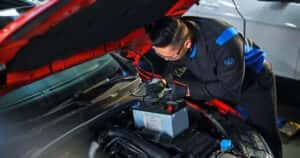
Your Volkswagen’s battery does far more than just start the engine. It powers dozens of electronic systems, from advanced driver assistance features to infotainment and climate control. Modern VWs are essentially computers on wheels, with electrical demands that far exceed vehicles from even a decade ago. This increased electrical complexity makes battery health more critical than ever before.
Here’s what catches many Morgantown drivers off guard: today’s batteries often fail with little warning. Unlike older batteries that gave you weeks of sluggish starts before dying completely, modern batteries can test fine one day and fail the next. This sudden failure happens because advanced vehicle systems draw power constantly, even when your VW is parked, and a battery that’s lost just 20 percent of its capacity may still start your engine reliably until one cold morning when it suddenly doesn’t.
Whether you’re commuting to WVU campus, navigating the hills around Westover, or driving I-68 toward Cheat Lake, a reliable battery is essential. This article will help you recognize the early warning signs of battery failure, understand what shortens battery life in West Virginia’s climate, and know exactly when replacement makes sense before you’re left stranded.
How Your VW Battery Actually Works
The Chemistry of Starting Power
Your Volkswagen’s battery uses lead-acid chemistry to store and deliver electrical energy. Inside the battery case, lead plates suspended in sulfuric acid solution create a chemical reaction that produces electricity. When you start your engine, the battery must deliver hundreds of amps instantaneously to turn the starter motor, a demand that stresses the battery significantly.
After starting, your alternator recharges the battery while powering all electrical systems. However, this charging process isn’t perfect. Short trips around Morgantown don’t give the alternator enough time to fully recharge the battery, especially if you’re using heated seats, defroster, headlights, and other accessories. Over time, this partial charging cycle degrades the battery’s capacity.
The Impact of Parasitic Draws
Even when your VW is parked and locked, numerous systems remain active. Your alarm system, keyless entry receiver, infotainment system memory, and various control modules all draw small amounts of current continuously. This parasitic draw is normal and designed into your vehicle’s electrical system, typically totaling 50 to 100 milliamps.
However, if your battery is already weak or you leave your vehicle parked for extended periods, these draws can fully deplete the battery. Modern VWs have battery management systems that minimize these draws after the vehicle sits for several days, but even with this protection, a marginal battery can discharge below the threshold needed for starting.
Early Warning Signs Your Battery Is Failing
Starting System Changes
The first and most obvious sign of battery trouble is slow cranking when starting your engine. If your starter sounds labored or takes longer than usual to turn the engine over, especially on cold mornings, your battery is likely losing capacity. Don’t ignore this warning. A battery that’s struggling to start your engine is close to complete failure.
Pay attention to how quickly your engine fires up. A healthy battery should spin the starter briskly, with the engine catching and starting within one to two seconds. If you notice the cranking speed varies from start to start, or if the engine takes three or four seconds to fire, your battery is degrading.
Electrical System Symptoms 🔧
Dim or flickering headlights, particularly at idle, can indicate battery or charging system issues. When you start your engine, your headlights should maintain consistent brightness. If they dim noticeably during cranking or remain dimmer than normal until you rev the engine, investigate the battery and charging system.
Your infotainment system may also reveal battery problems. If the screen takes longer than usual to boot up, or if you notice audio system resets or lost radio presets, these can indicate voltage instability caused by a weak battery. Modern VWs are sensitive to voltage fluctuations, and electronic systems often act erratically when battery voltage drops.
Dashboard Warnings and Messages
Many Volkswagens display battery-related messages on the instrument cluster when the system detects issues. Messages like “Battery Low, Start Engine” or “Battery Charge Low” shouldn’t be dismissed. These warnings indicate the battery management system has detected voltage or capacity problems that require attention.
The battery warning light (it looks like a battery symbol) illuminating while driving indicates a charging system problem. This could be a failing alternator, but it can also appear when a battery is so degraded that the alternator can’t maintain proper system voltage. Either way, this warning requires immediate diagnosis.
Temperature-Related Issues
Battery problems often become apparent during weather extremes. If your VW starts fine in moderate weather but struggles on particularly cold mornings around Star City or hot afternoons in summer, your battery has lost capacity. Temperature extremes stress batteries, and a marginal battery that works in ideal conditions will fail when temperatures drop below 20 degrees or exceed 90 degrees.
Cold cranking is especially revealing. A battery rated for 650 cold cranking amps (CCA) when new might lose 30 percent of that capacity after three years. In mild weather, 450 CCA is enough to start your engine. But on a 10-degree morning in January, that same battery may not provide sufficient power, leaving you stranded.
How Morgantown’s Climate Affects Battery Life
Cold Weather and Capacity Loss
West Virginia winters are hard on car batteries. When temperatures drop below freezing, a battery’s available capacity decreases dramatically. At 32 degrees Fahrenheit, a battery has only about 80 percent of its rated capacity. At zero degrees, capacity drops to roughly 50 percent. Meanwhile, cold oil and other fluids make your engine harder to turn over, requiring more power from an already weakened battery.
Morgantown’s elevation and proximity to the Appalachian Mountains mean colder temperatures than more temperate parts of the state. Morning temperatures in January frequently dip into the teens or single digits, creating ideal conditions for battery failures. If your battery is more than three years old, cold weather will expose any weakness.
Heat and Internal Degradation
While cold weather reveals battery problems, hot weather actually causes them. Summer heat accelerates the chemical reactions inside your battery, which sounds beneficial but actually speeds up internal corrosion and degradation. The lead plates deteriorate faster, the electrolyte evaporates more quickly, and internal connections can corrode.
West Virginia summers with temperatures in the 80s and 90s don’t seem extreme, but under-hood temperatures can exceed 140 degrees. This sustained heat stress means batteries in our climate often fail in late summer or early fall, with the damage becoming apparent when winter arrives and demands peak performance.
Humidity and Corrosion
The region’s humidity contributes to external battery corrosion. The white or blue-green crusty buildup you sometimes see on battery terminals is caused by battery acid reacting with moisture in the air. This corrosion creates resistance in the electrical connection, reducing the effective power delivery to your starter and other systems.
Corroded terminals can make a good battery appear to be failing. Before assuming you need a new battery, have the terminals cleaned and tested. Sometimes what seems like a dead battery is actually a connection problem that’s easily fixed.
Understanding Battery Age and Lifespan
The Three-to-Five-Year Reality
Most car batteries last between three and five years under normal conditions. Factors like climate, driving patterns, and vehicle electrical demands all influence lifespan. In Morgantown’s climate with its temperature extremes and humid conditions, expect battery life toward the shorter end of that range.
If your battery is approaching four years old, start planning for replacement even if you haven’t noticed problems. Proactive replacement is far less disruptive and expensive than emergency replacement when you’re stranded. Many drivers find it convenient to replace their battery in spring or fall, avoiding the stress of winter failures or summer heat damage.
Manufacturing Date Matters
Your battery has a manufacturing date code stamped on the case. This code tells you exactly how old the battery is, which is critical information since batteries begin degrading from the moment they’re manufactured, not from when they’re installed. A battery that sat on a shelf for 18 months before installation is already halfway through its useful life.
When purchasing a replacement battery, always check the date code and insist on one manufactured within the past six months. An older battery may test fine initially but will fail prematurely because its chemical components have already begun degrading.
Driving Patterns and Battery Stress
Short trips are particularly hard on batteries. If your typical drive is less than 20 minutes, your alternator doesn’t have sufficient time to fully recharge the battery after starting. This continuous partial discharge-recharge cycle stresses the battery and shortens its lifespan considerably.
Highway driving is actually easier on batteries than city driving. Once your engine is running, electrical system demands are consistent, and the alternator easily maintains charge. Stop-and-go traffic with frequent restarts, combined with high accessory loads from climate control and electronics, creates the most demanding environment for your battery.
Professional Battery Testing
Load Testing and Capacity Measurement
The only way to truly know your battery’s condition is through professional testing. A load test applies a controlled electrical load to the battery while measuring voltage response. This test reveals the battery’s actual capacity compared to its rating and can predict impending failure before you experience problems.
Modern battery testers also perform conductance testing, which measures the battery’s ability to conduct electrical current. This test can detect internal damage, sulfation of the lead plates, and other degradation that isn’t apparent from voltage measurements alone. These tests take only a few minutes and provide objective data about battery health.
Alternator and Charging System Testing
Battery testing should always include charging system evaluation. A failing alternator can kill a new battery within months by undercharging or overcharging. Technicians test alternator output voltage (should be 13.8 to 14.4 volts at idle) and amperage output under load to verify the charging system is functioning properly.
They also check for excessive voltage ripple, which indicates failing alternator diodes. Ripple can damage electronic components throughout your vehicle and stress the battery by providing inconsistent charging current. Catching alternator problems early prevents battery damage and expensive electronic component failures.
The Cost of Proactive Replacement Versus Emergency Service 💰
Planning for Replacement
A quality replacement battery for most Volkswagens costs between $150 and $250, depending on the specific model and battery specifications. Installation at a dealership typically adds $50 to $100 for programming and registration, which is necessary for VWs with battery monitoring systems. This planned service takes about 30 minutes.
Compare this to emergency battery replacement, which often happens at the worst possible moment. You might be at a parking lot in bad weather, late for work, or far from home. Emergency service calls can add $100 or more to the replacement cost, and you may have no choice but to accept whatever battery is available, which might not be the best quality option for your vehicle.
The Hidden Costs of Battery Failure
Beyond the inconvenience and extra expense of emergency replacement, a dead battery can damage other vehicle systems. When you jump-start a vehicle, voltage spikes can damage sensitive electronic modules. Modern VWs have numerous computers that control everything from transmission shifting to airbag deployment, and electrical surges can cause expensive damage.
There’s also the cost of your time. Being stranded means missing work, appointments, or other commitments. The stress and disruption of dealing with a breakdown far exceeds the cost of proactive battery replacement.
Battery Maintenance and Care
Keeping Terminals Clean
Inspect your battery terminals every few months for corrosion buildup. If you notice white, blue, or green crusty deposits, they need cleaning. This simple maintenance ensures optimal electrical connection and can prevent starting problems. A wire brush and baking soda solution easily remove corrosion, though be careful to prevent the mixture from entering the battery cells.
Many batteries have protective terminal covers or felt washers that help prevent corrosion. If your battery didn’t come with these, they’re inexpensive additions that provide worthwhile protection in our humid climate.
Avoiding Deep Discharges
Nothing damages a battery faster than complete discharge. If you accidentally leave lights on and drain your battery, have it recharged and tested as soon as possible. A single deep discharge can permanently reduce battery capacity by 20 percent or more. Multiple deep discharges will kill even a new battery.
If you store your VW for extended periods or only drive occasionally, consider using a battery maintainer. These devices provide a small trickle charge that keeps the battery at optimal charge level without overcharging. This is particularly important if you have a weekend car or store your vehicle during winter months.
Secure Mounting
Battery hold-down clamps keep the battery secure and prevent internal damage from vibration. A loose battery can suffer internal plate damage that creates short circuits and rapid failure. During battery testing or service, technicians should verify the hold-down hardware is properly tightened.
Excessive vibration from a loose battery can also damage the battery terminals and cable connections, creating intermittent electrical problems that are difficult to diagnose. This simple mechanical check prevents multiple problems down the road.
What Happens During Professional Battery Service
When you bring your Volkswagen to our Mary Jane Wood Circle location for battery testing or replacement, technicians start with a comprehensive electrical system evaluation. They test the current battery’s voltage, capacity, and condition using advanced diagnostic equipment. They also verify charging system operation and check for excessive parasitic draws that might stress the battery.
If replacement is needed, technicians select the correct battery for your specific VW model. Modern Volkswagens often require specific battery types (AGM batteries for start-stop systems, for example) and always require battery registration through the vehicle’s computer system. This registration process tells the battery management system about the new battery’s characteristics, allowing proper charging control.
After installation, technicians verify all electrical systems operate correctly and that the alternator is charging properly. They also check that the new battery is securely mounted and connections are corrosion-free. Finally, they may apply terminal protection spray to prevent future corrosion.
“VW owners are often surprised when I tell them their battery needs replacement because their car has been starting fine,” says James Patterson, master-certified Volkswagen technician at the Mary Jane Wood Circle location. “But when we test the battery, it might be at 60 percent capacity, which is enough for starting in good weather but will absolutely fail on the first cold morning. I always recommend testing your battery twice a year, in spring and fall, so you can plan replacement on your schedule instead of the battery’s schedule. Nobody wants to deal with a dead battery when they’re trying to get to work on a January morning when it’s 15 degrees outside.”
Special Considerations for Modern VWs ✓
Newer Volkswagens with start-stop technology require AGM (Absorbed Glass Mat) batteries, which are more expensive but essential for proper system operation. These batteries can handle the frequent charge-discharge cycles that start-stop systems create. Using a conventional flooded battery in a start-stop vehicle will result in premature failure and potential system damage.
Vehicles with extensive electronic features, like adaptive cruise control, lane keeping assist, and premium audio systems, have higher electrical demands that stress batteries more than basic vehicles. If your VW has these features, err on the side of earlier battery replacement and never ignore warning signs of battery weakness.
Some VW models have batteries located in unusual positions, like under the rear seat or in the trunk area. These locations protect the battery from under-hood heat but can make DIY replacement more complicated. Professional service ensures proper installation and system registration regardless of battery location.
Schedule Your Battery Test Today
Your Volkswagen’s battery is too important to ignore until it fails. A simple battery test takes just minutes and provides valuable information about your electrical system’s health. Whether your battery is due for replacement or you just want peace of mind, professional testing is the smart approach.
Our certified technicians at Volkswagen Morgantown have the specialized equipment and training to properly test, service, and replace VW batteries. We stock genuine VW batteries and quality aftermarket alternatives that meet or exceed factory specifications. Most importantly, we perform the necessary battery registration and programming that modern Volkswagens require for optimal performance.
Don’t wait for a cold morning or inconvenient moment to discover your battery has failed. Schedule your complimentary battery test today by calling our service department or booking online. We’re conveniently located at 401 Mary Jane Wood Circle, Morgantown, WV 26501, ready to ensure your VW starts reliably every single time you turn the key.
Taking 15 minutes for a battery test today could save you hours of frustration and hundreds of dollars in emergency service costs tomorrow. That’s the kind of preventive care that keeps you confidently on the road all year long.

0 comment(s) so far on When to Replace Your VW Battery (and How to Tell Before It Fails)