




Why Regular Oil Changes Matter More Than Ever for Turbocharged VWs
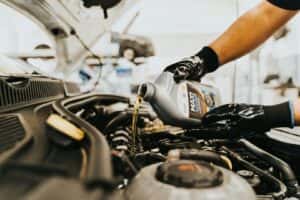
Most modern Volkswagen vehicles, from the Jetta and Tiguan to the Atlas and Golf, feature turbocharged engines that deliver impressive power and efficiency from relatively small displacement. Whether you’re commuting through Morgantown on I-68, navigating the hills around Monongalia County, or making the drive to Pittsburgh, your turbocharged VW provides performance that would have required a much larger engine just a generation ago.
But this technology comes with maintenance requirements that are more demanding than conventional engines, particularly when it comes to engine oil. The turbocharger in your VW spins at incredible speeds (up to 150,000 RPM or more) and operates at extreme temperatures, creating conditions that stress engine oil far beyond what naturally aspirated engines experience. Neglecting oil changes in a turbocharged engine doesn’t just reduce efficiency, it can destroy expensive components and lead to catastrophic engine failure.
The challenge is that many drivers treat turbocharged engines like conventional ones, following oil change intervals that might be adequate for older naturally aspirated engines but are inadequate for modern turbo applications. By the time problems become obvious, like reduced power, unusual noises, or warning lights, the damage might already be severe and expensive to repair.
Understanding why turbocharged engines are so demanding on oil, recognizing warning signs of oil-related problems, and following appropriate service intervals ensures your Volkswagen continues delivering the performance and reliability you expect from German engineering.
How Turbochargers Change Engine Oil Requirements
To appreciate why oil service is so critical in turbocharged engines, you need to understand what a turbocharger does and the extreme conditions it creates.
Turbocharger Basics 🔧
Your VW’s turbocharger uses exhaust gases to spin a turbine that compresses intake air, forcing more air (and fuel) into the engine. This allows a small 1.4L or 2.0L engine to produce power comparable to a 3.0L naturally aspirated engine while maintaining better fuel economy during light-load operation.
The turbocharger consists of two wheels (turbine and compressor) connected by a shaft. This assembly spins at extraordinarily high speeds, anywhere from 80,000 to 150,000+ RPM depending on boost level. At these speeds, proper lubrication is absolutely critical.
Extreme Operating Temperatures
Turbochargers operate in extreme heat. The turbine side is exposed to exhaust gases that can exceed 1,000°F. While the turbo has its own cooling (oil cooling and sometimes water cooling), these temperatures stress engine oil far beyond normal engine operation.
Hot oil breaks down faster, losing its lubricating properties and forming deposits. The turbocharger’s bearing surfaces operate in this hostile environment, depending entirely on clean, fresh oil for survival.
Oil Does Multiple Jobs
In a turbocharged engine, oil must lubricate the turbo’s high-speed bearings, cool the turbocharger’s internal components, remove heat from the turbo, and maintain proper viscosity across extreme temperature ranges. It also performs all the traditional engine lubrication duties.
This multi-tasking places far greater demands on oil than in naturally aspirated engines. Oil that’s adequate for 10,000 miles in a conventional engine might be completely degraded at 7,500 miles in a turbocharged application.
Carbon and Sludge Formation
When oil breaks down from heat and contamination, it forms carbon deposits and sludge. In a turbocharger, these deposits can restrict oil passages, reduce cooling effectiveness, and eventually cause bearing failure. Once turbo bearings fail, the turbo must be replaced, a repair costing $1,500-3,000 or more.
Five Warning Signs of Oil-Related Problems
Your Volkswagen communicates oil and turbocharger problems through distinct symptoms. Recognizing these signs early can prevent minor issues from becoming catastrophic failures.
- Blue Smoke from Exhaust
Blue smoke, particularly during acceleration or deceleration, indicates oil is entering the combustion chamber or exhaust system. In turbocharged engines, this often means turbo seal failure, frequently caused by oil contamination or inadequate lubrication from extended oil change intervals.
If you notice blue smoke, have the turbocharger and engine inspected immediately. Continuing to drive with oil consumption issues can damage the catalytic converter and other expensive components.
- Loss of Power or Boost
If your VW feels less responsive than usual, or you notice reduced acceleration performance, turbocharger problems might be developing. Oil-starved or contaminated turbo bearings create resistance that reduces turbo efficiency and boost pressure.
This symptom often develops gradually as the turbo degrades. You might not notice day to day, but comparing current performance to when the vehicle was new reveals the loss.
- Whining or Whistling Sounds 🔊
Unusual sounds from the engine bay, particularly a high-pitched whine or whistle that changes with engine speed, often indicate turbocharger problems. Worn bearings caused by oil contamination or inadequate lubrication create these sounds as the turbo shaft develops excessive play.
These sounds typically worsen over time. What starts as a faint whine during acceleration can progress to a loud whistling indicating significant turbo damage.
- Check Engine Light
The check engine light can illuminate for numerous reasons, but in turbocharged engines, many codes relate to boost pressure, turbocharger control, or engine performance issues stemming from turbo problems. Don’t ignore the light, have diagnostic codes read to determine the cause.
Modern VWs monitor turbocharger operation constantly. Codes might indicate the turbo isn’t producing expected boost, suggesting developing mechanical problems often related to lubrication issues.
- Excessive Oil Consumption
If you find yourself adding oil between changes, or the oil level drops noticeably, your engine is consuming oil. In turbocharged engines, this often indicates turbo seal problems caused by oil breakdown or contamination allowing oil to pass into the exhaust or intake system.
Some oil consumption is normal in turbocharged engines, but significant consumption (more than a quart between oil changes) warrants investigation.
West Virginia Driving and Oil Stress
Morgantown’s location and typical driving patterns create conditions that are particularly demanding on engine oil in turbocharged vehicles.
Hill Climbing and Sustained Load ⛰️
West Virginia terrain means frequent hill climbing. When you’re climbing a grade, the engine works harder and the turbocharger spins faster to maintain power. This creates higher temperatures and places greater stress on engine oil than flat-terrain driving.
If your daily commute involves I-68’s hills or navigating Morgantown’s elevation changes, your oil experiences more thermal stress than vehicles driven primarily on flat highways. This accelerated stress might warrant shorter oil change intervals than manufacturer recommendations based on ideal conditions.
Short Trips and Cold Starts
Many Morgantown residents make frequent short trips around the city. Short trips prevent oil from reaching full operating temperature, which allows moisture and fuel contamination to accumulate in the oil. This contamination accelerates oil degradation.
Cold starts are also hard on turbos. Until oil circulates and warms up, lubrication isn’t optimal. Aggressive driving immediately after cold starts, particularly in hilly terrain, stresses the turbo when protection is minimal.
Temperature Extremes
West Virginia experiences genuine seasonal temperature extremes. Winter cold thickens oil, reducing its flow and effectiveness during cold starts. Summer heat accelerates oil breakdown. These temperature swings stress oil year-round.
Dusty Conditions
Rural areas around Monongalia County can be dusty, particularly during dry periods. Dust contamination in engine oil acts as an abrasive, accelerating wear on turbo bearings and engine components. This makes proper air filter maintenance and timely oil changes even more critical.
Proper Oil Change Intervals for Turbocharged VWs
Understanding appropriate service intervals for your specific driving conditions helps you maintain optimal protection.
Manufacturer Recommendations
Volkswagen typically recommends oil changes every 10,000 miles or annually for turbocharged engines. This interval assumes ideal operating conditions: moderate climate, highway driving, and proper warm-up before demanding operation.
Many technicians and VW enthusiasts argue these intervals are optimistic, particularly for vehicles experiencing severe service conditions.
Severe Service Considerations 🛣️
VW defines severe service as frequent short trips, extensive idling, trailer towing, dusty conditions, or operation in temperature extremes. This describes much of Morgantown-area driving. Under severe service conditions, cutting oil change intervals to 5,000-7,500 miles provides better protection.
Consider your driving honestly. If it doesn’t consist primarily of longer highway trips in moderate weather, you’re operating under severe service conditions regardless of how the driving feels.
Synthetic Oil Importance
Turbocharged engines require synthetic oil, not conventional oil. Synthetic oil withstands higher temperatures, maintains viscosity better across temperature extremes, and resists breakdown longer than conventional oil.
Using the correct oil specification (VW 502.00 or 504.00 for most modern turbocharged engines) is critical. Wrong oil doesn’t protect adequately and can cause problems ranging from poor performance to premature wear.
Oil Analysis Benefits
For those wanting data-driven intervals, oil analysis provides detailed information about oil condition and engine wear. Sending oil samples to a lab reveals remaining oil life, presence of wear metals, and contamination levels. This information helps establish optimal change intervals for your specific driving patterns.
What Happens During Proper Oil Service
Quality oil service involves more than just draining old oil and adding new. Understanding what should happen ensures your VW receives complete service.
Complete Oil Drain
Turbocharged engines often hold more oil than similar naturally aspirated engines due to the turbo’s oil cooling requirements. Complete draining ensures maximum old oil removal. Some technicians also clean the drain plug and inspect the magnetic drain plug (if equipped) for metal particles indicating excessive wear.
Proper Filter Selection 🔧
The oil filter must meet VW specifications and provide adequate filtration for turbo protection. Cheap filters might not filter fine enough to protect turbo bearings operating at extreme speeds. Quality filters are essential, not a place to save a few dollars.
Correct Oil Specification and Quantity
Using oil meeting VW specifications (viscosity grade and performance standards) is critical. The correct quantity is equally important, as overfilling can cause problems including potential turbo seal damage from excessive crankcase pressure.
System Reset
Modern VWs use oil life monitoring systems that calculate oil life based on operating conditions. After service, this system must be reset so it accurately tracks the new oil’s service life.
Multi-Point Inspection
Quality oil service includes inspection of other fluids, belts, hoses, and basic systems. This catches developing problems before they require emergency repairs.
Cost of Regular Maintenance vs. Turbo Replacement
The economics of regular oil changes versus turbo replacement make the choice obvious.
Oil Change Costs
Synthetic oil changes for turbocharged VWs typically cost $80-120 depending on oil capacity and filter. Changing oil every 5,000-7,500 miles means 2-3 oil changes annually for typical driving, costing $160-360 per year.
Turbo Replacement Costs
Turbocharger replacement costs $1,500-3,000+ including parts and labor. Factor in related damage (catalytic converter from oil-contaminated exhaust, engine damage from poor lubrication) and costs can exceed $5,000.
The Math
Ten years of conservative oil change intervals (every 5,000-7,500 miles) might cost $1,600-3,600 total. One turbo replacement costs more than that. The choice is clear.
Beyond direct costs, consider the value of reliability. A well-maintained turbocharged engine provides years of trouble-free performance. A neglected one becomes progressively less reliable, eventually failing at the most inconvenient time.
Local Expert Perspective
“Turbo failures from neglected oil changes are one of the most preventable expensive repairs we see,” says Mark Stevens, VW master technician at the Mary Jane Wood Circle location. “People bring in vehicles with 15,000 or 20,000 miles on the oil, wondering why the turbo is making noise or the engine is down on power. The oil is black as tar, completely broken down. At that point, damage is done.”
He continues, “The other issue is people using cheap oil or wrong specifications because they’re trying to save money. You can’t save money on oil in a turbocharged engine. Use the correct synthetic oil meeting VW specs and change it regularly. It’s the cheapest insurance for a $3,000 turbocharger. I tell every customer: pay a hundred dollars for an oil change or pay three thousand for a turbo. Your choice.”
Best Practices for Turbocharged VW Ownership
Beyond regular oil changes, certain habits help maximize turbo life and engine performance.
Proper Warm-Up
Allow your engine 30-60 seconds to warm up before driving, and avoid aggressive acceleration until oil temperature reaches normal range. This ensures adequate lubrication before demanding turbo operation.
Cool-Down Period ⏱️
After hard driving, particularly sustained high-speed or hill climbing, allow the engine to idle for 30-60 seconds before shutting down. This lets the turbo spin down gradually while still receiving oil flow and cooling. Modern turbos with water cooling can often skip this, but it’s still good practice after very hard driving.
Use Quality Fuel
Modern turbocharged engines use direct injection and high compression ratios that demand quality fuel. Using the recommended octane rating (typically premium for many VW turbos) prevents detonation that can damage engines and turbos.
Monitor Oil Level
Check oil level monthly. Some oil consumption is normal in turbo engines, but excessive consumption indicates problems requiring attention. Maintaining proper level ensures adequate turbo lubrication and cooling.
Address Check Engine Lights Promptly
Don’t ignore warning lights. Codes related to turbo operation, if addressed early, might require simple repairs. Ignored, they lead to expensive failures.
Protecting Your Investment 🚗
Your turbocharged Volkswagen represents sophisticated engineering that delivers impressive performance and efficiency. The turbocharger is a complex, high-precision component operating under extreme conditions that demand proper lubrication and cooling provided by clean, fresh engine oil.
Regular oil service with quality synthetic oil meeting VW specifications is the single most important maintenance item for turbocharged engines. It protects the expensive turbocharger, maintains engine performance, and prevents the catastrophic failures that result from oil neglect.
Morgantown’s hilly terrain, temperature extremes, and typical driving patterns create demanding conditions that stress oil beyond what many drivers realize. Adopting conservative oil change intervals appropriate for these conditions provides the protection your turbocharged VW needs for long-term reliability.
Schedule Your Oil Service Today ✅
Don’t wait until the oil life monitor reaches zero or until you exceed manufacturer intervals. Proactive oil service based on actual driving conditions rather than optimistic intervals provides the protection your turbocharged Volkswagen needs.
Whether you’re due for service, approaching an interval milestone, or simply want to establish a conservative maintenance schedule for peace of mind, professional service with correct synthetic oil ensures your turbo and engine receive optimal protection.
Schedule your oil service appointment today at 401 Mary Jane Wood Circle in Morgantown, or call to discuss oil change intervals and turbocharged engine maintenance with a service advisor who understands these sophisticated powertrains. Because your turbocharged VW deserves oil service that protects your investment and keeps that turbo spinning smoothly for years to come.

0 comment(s) so far on Why Regular Oil Changes Matter More Than Ever for Turbocharged VWs