




Why VW Drivers Shouldn’t Skip Seasonal Service in December
Last December, a 2020 Volkswagen Atlas owner decided to postpone his scheduled 40,000-mile service until after the holidays to avoid the expense during the gift-buying season. He figured his Atlas was running fine, and a few extra weeks wouldn’t matter. On December 27th, during a family trip to Pittsburgh for a post-Christmas celebration, his engine began making loud knocking sounds on I-79 near the Pennsylvania border. The cause: his oil level had been critically low—something the scheduled service would have caught and corrected. The low oil condition, combined with extended highway driving, caused bearing damage requiring engine replacement. Total cost: $8,500. The scheduled service he postponed? $295, which would have included oil level inspection, top-off as needed, and identification of the oil consumption issue before it caused catastrophic damage.
That Atlas owner learned an expensive lesson about the false economy of postponing scheduled maintenance. December seems like the worst time for service expenses—holiday shopping, travel, year-end bills, and celebrations all compete for the same budget dollars. The temptation to delay maintenance “just a few weeks” until January when finances recover is powerful. But December is actually one of the most critical months for vehicle service, particularly in West Virginia where winter conditions stress every system simultaneously.
Morgantown’s location in the Appalachian highlands means December brings the first sustained winter conditions: temperatures consistently below freezing, lake-effect snow from the Great Lakes, ice storms, and the beginning of months-long road salt exposure. Your Volkswagen faces dramatically different demands in December than it did in October, and systems that were adequate two months ago may be insufficient for the conditions ahead. Postponing service until January means driving through the most challenging month of winter with a vehicle that hasn’t been verified as ready for those conditions.
This guide explains exactly why December service matters so critically, what specific problems develop when service is delayed, and how the modest investment in timely maintenance prevents the expensive failures that transform winter driving from routine to dangerous.
What December Service Includes and Why It Matters
Volkswagen’s scheduled maintenance intervals aren’t arbitrary—they’re engineered around how components and fluids degrade under specific operating conditions and mileage. The services typically due in December for many owners include critical inspections and maintenance items that directly affect winter reliability.
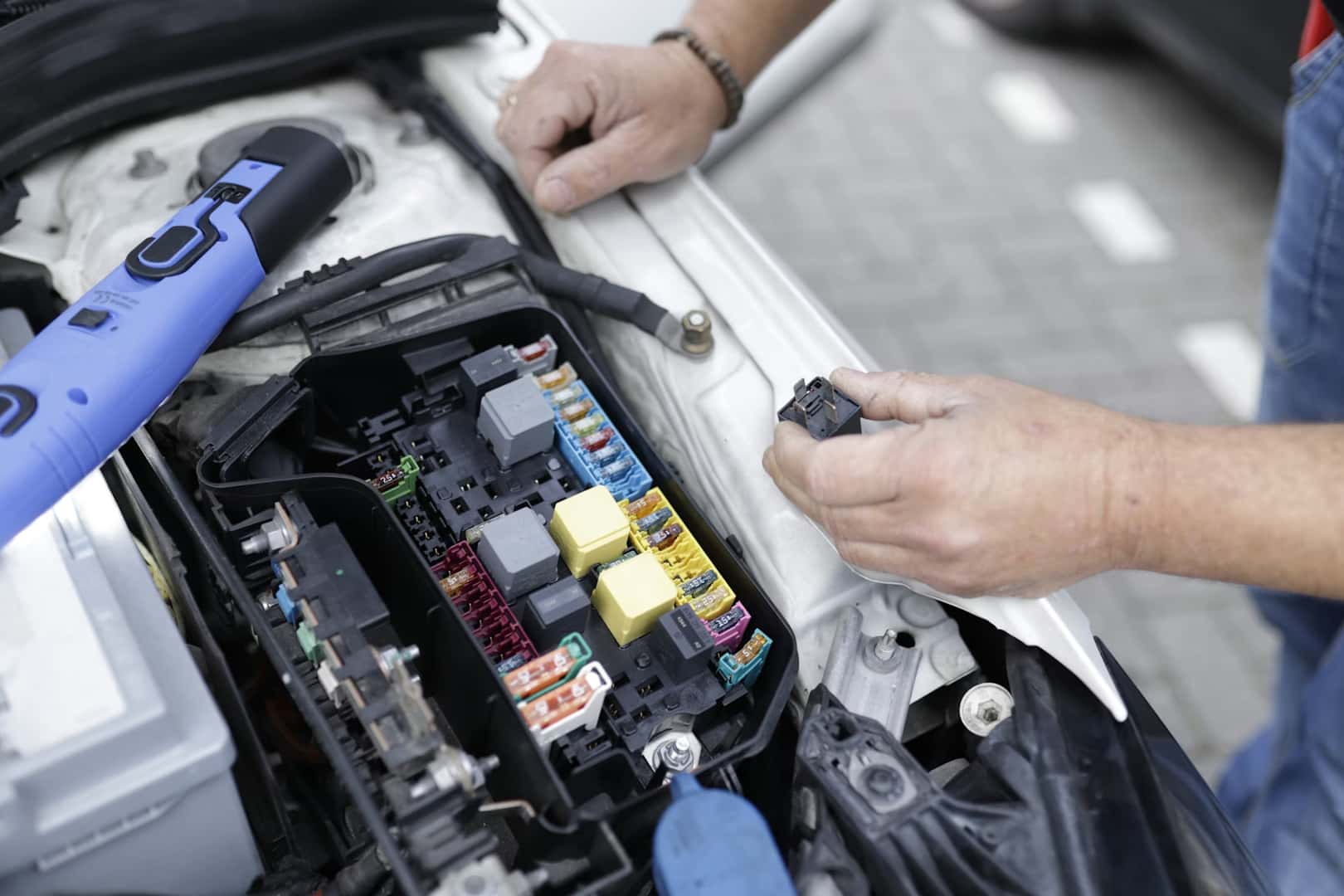
Multi-point inspection examines every system that affects winter operation: battery condition, coolant freeze protection, tire condition, brake system, fluid levels, wiper blades, lights, belts and hoses, and exhaust system. This comprehensive inspection identifies problems before they cause failures during winter conditions when breakdowns are most dangerous and expensive.
Oil and filter change becomes more critical before winter because engine oil faces extreme stress during cold-weather operation. Cold starts when oil has thickened from low temperatures create the most severe engine wear of any operating condition. Fresh oil with proper cold-weather viscosity provides optimal protection during the thousands of cold starts your VW will experience from December through March.
Tire rotation and pressure check ensures even wear and proper inflation for winter traction. Tire pressure drops 1 PSI for every 10-degree temperature decrease, meaning tires properly inflated in September are significantly under-inflated by December. Rotation equalizes wear patterns and extends tire life, critical when winter road hazards increase damage risk.
Brake system inspection verifies adequate pad thickness, rotor condition, and brake fluid moisture content. Winter driving with mountain grades, slippery conditions, and increased stopping distances demands maximum brake effectiveness. Worn components that seemed adequate in moderate weather become dangerous liabilities in winter conditions.
Battery testing reveals whether your battery can handle cold-weather starting demands. Cold reduces battery capacity by 35-60% while simultaneously doubling or tripling cranking requirements. A battery testing “good” in September might test “marginal” in December and “fail” in January when temperatures drop further.
“The most common reason customers give for postponing December service is ‘the car’s running fine, so it can wait,'” says Sarah Mitchell, Service Manager at our Mary Jane Wood Circle location. “But that’s exactly backward thinking. The car runs fine now in moderate conditions. The question isn’t whether it runs fine today—it’s whether it will continue running fine in January when temperatures hit zero, roads are covered in ice, and you’re relying on every system to function perfectly. December service verifies winter readiness before you’re committed to winter driving with no room for problems.”
The Compounding Risk of Winter Conditions
December marks the transition from autumn’s moderate conditions to winter’s extreme demands. Systems that were marginally adequate in November become inadequate in December, and problems that would have been minor inconveniences in fall become dangerous failures in winter.
Temperature extremes stress every system simultaneously. Cold reduces battery capacity, thickens oil and transmission fluid, hardens rubber components, affects fuel combustion efficiency, and increases wear during warm-up periods. When all of these stresses occur together rather than individually, marginal components fail rapidly.
Road salt exposure begins aggressively in December as West Virginia DOT pre-treats roads before winter storms and applies heavy salt during and after events. Salt accelerates corrosion of brake lines, fuel lines, exhaust systems, and body panels. Any existing corrosion or weak points that have developed since your last service worsen exponentially under salt exposure.
Increased load from winter driving patterns taxes systems more than typical operation. Constant accessory use including heater blower, heated seats, rear defrost, and lights draws electrical power continuously. Extended warmup periods before driving wastes fuel and increases engine wear. Stop-and-go traffic in winter weather creates extreme stop-start cycling that stresses batteries and transmissions.
Reduced daylight means more night driving when visibility issues are most critical. Headlights, taillights, and interior lighting must function perfectly. Burned-out bulbs that were inconvenient during long summer days become genuine safety hazards during winter’s limited daylight.
Emergency preparedness matters more in December than any other month. Being stranded during September means inconvenience and maybe getting sunburned waiting for help. Being stranded in December means potential exposure to dangerous cold, particularly if you’re caught far from populated areas on Routes 7, 857, or other rural roads around Morgantown.
A Tiguan owner from Star City postponed her December service despite receiving multiple reminder notices. She’d been too busy with holiday preparations and figured she’d schedule service in January after things calmed down. On December 20th, during holiday shopping in Pittsburgh, her Tiguan wouldn’t restart after she’d been in the mall for two hours. The temperature had dropped to 18 degrees, and her marginal battery—which would have been identified and recommended for replacement during her scheduled service—had finally failed. She spent four hours dealing with the situation: waiting for AAA, getting jumped, driving to find an auto parts store open that late, and installing a new battery in a parking lot. The experience ruined her evening, stressed her tremendously, and cost $240 for the emergency battery plus $150 in wasted parking and dinner plans. The scheduled service would have cost $265 and prevented the entire situation.
How Delayed Service Compounds Into Expensive Problems
Postponing maintenance doesn’t pause component degradation—it continues regardless of whether you schedule service. The longer you delay, the more likely minor issues develop into major failures requiring expensive repairs.
Oil degradation accelerates once oil reaches the end of its service life. Modern synthetic oils are durable, but they still break down from heat, contamination, and chemical processes. Operating 1,000-2,000 miles past the recommended interval increases engine wear measurably. Operating 3,000-5,000 miles overdue risks engine damage from severely degraded oil that can’t protect adequately.
Battery capacity loss progresses exponentially once batteries enter their decline phase. A battery testing at 70% capacity in October might drop to 55% by December and 40% by January. The December service would have caught it at 55% and recommended replacement. By delaying service, you miss the warning and face roadside failure when capacity drops below starting requirements.
Brake pad wear continues with every mile driven. Pads at 5mm thickness during your scheduled service interval would be measured and noted, with replacement recommended soon. Delaying service means pads continue wearing to 3mm, then 2mm, at which point you’re damaging rotors and risking the metal-to-metal contact that requires rotor replacement in addition to pads. A $280 brake pad replacement becomes a $680 pad and rotor replacement because you delayed the service that would have caught the problem earlier.
Coolant condition deteriorates from corrosion, contamination, and additive depletion. Coolant that tests marginal during scheduled service might still provide adequate freeze protection. But that same coolant three months later has degraded further and might not protect against the -10 degree temperatures January brings. Frozen coolant causes engine block cracks requiring engine replacement—a catastrophic failure from delaying a $180 coolant service.
Tire wear accelerates when rotation is delayed. Tires develop uneven wear patterns that become more pronounced the longer rotation is postponed. Eventual rotation can’t undo the damage already done, meaning tires need replacement thousands of miles earlier than proper rotation would have allowed. Delaying two rotation services can cost you 15,000-20,000 miles of tire life, representing $150-250 in wasted tire investment.
The cascading effect means one delayed service creates problems requiring the next service to address multiple issues instead of routine maintenance. This turns a $265 scheduled service into a $600 service addressing multiple problems that developed because the first service was skipped.
The January Service Appointment Problem
Even if you intend to schedule service “right after the holidays” in early January, this plan creates its own problems that make December service the better choice.
Service department scheduling in January becomes extremely difficult as everyone who postponed December service tries to schedule simultaneously. Appointments that would have been available with days’ notice in December require 2-3 weeks’ waiting in January. During that waiting period, you’re driving with whatever problems would have been caught during timely service.
Parts availability tightens in January as service departments face heavy demand for batteries, wiper blades, and other winter-specific items. That battery replacement that could have been completed immediately in December might require waiting days for parts in January when supplier inventory is strained from heavy demand.
Weather in January is worse than December, making the drive to service appointments more hazardous and increasing the likelihood you’ll postpone “because of weather” repeatedly until February. December typically offers more moderate conditions for getting service completed.
Holiday closures mean service departments have limited availability between Christmas and New Year’s. If you postpone December service, you effectively can’t get service until early-to-mid January, adding 4-6 weeks to your maintenance delay rather than the “few weeks” you intended.
Diagnosis time increases when problems have worsened. The battery that would have tested marginal in December and been replaced in 45 minutes might fail completely by January, leaving you stranded and requiring emergency service before the diagnosis can even happen. The minor oil leak that would have been identified and repaired during December service might worsen to major leak by January, now requiring cleanup and repair of damage the leaking oil caused.
The True Cost of Postponed Maintenance
When comparing the cost of December service versus postponing until January, most owners only consider the direct service cost without accounting for the actual expenses that delayed service creates.
Scheduled service cost for typical December intervals ranges $265-450 depending on which services are due (30K vs. 40K vs. 60K intervals, etc.). This predictable cost can be budgeted and scheduled at your convenience.
Emergency service costs that result from postponed maintenance include: roadside service or towing ($85-300 depending on location and time), emergency parts pricing (typically 20-40% higher than scheduled service), premium labor rates for after-hours or weekend service, and the cascade of secondary damage that occurs when failures happen rather than being prevented.
Lost time has real value that’s often underestimated. Being stranded for 2-4 hours waiting for service, driving to find parts, and dealing with the situation represents lost wages if you miss work, or lost personal time that has value even if not directly monetized. For many professionals, 4 hours of time is worth $100-300 in actual or opportunity cost.
Stress and danger create costs impossible to quantify but genuinely significant. The fear and stress of being stranded in cold weather, the risk to personal safety when stopped on roadsides or in parking lots in sketchy areas, and the emotional toll of vehicle problems during already-stressful holiday periods all represent real costs of postponed maintenance.
Secondary damage multiplies repair costs. The oil consumption problem that would have been identified during December service causes engine bearing damage by January, turning a $295 service into an $8,500 engine replacement. The weak battery that would have been replaced for $195 in December fails in January, leaving you stranded in a parking lot where your vehicle sits overnight in -5 degree weather, and the extreme cold causes coolant hoses to crack, creating additional damage requiring $380 in repairs beyond the battery.
A Passat owner from Westover calculated the actual cost of postponing his December service. He delayed his 60,000-mile service to save $385 during the expensive holiday season. In February, his vehicle developed transmission issues diagnosed as resulting from CVT fluid that had been severely overdue for service. The fluid degradation had caused internal transmission wear requiring a $2,800 transmission rebuild. If he’d completed the scheduled service when due, the CVT fluid service would have been $185 and the transmission would have been protected. His “savings” of $385 in December cost him $2,800 two months later—a net loss of $2,415, or 6.3 times the service he tried to save money by postponing.
What Happens to Components Between December and January
Understanding how rapidly components degrade once they reach end-of-service-life illustrates why the few weeks between December service and January service matters more than owners realize.
Engine oil reaches a tipping point where rapid degradation begins once additive packages deplete. The oil might function adequately at 6,000 miles (the typical service interval), but by 7,500 miles the additives have depleted enough that acid neutralization, detergent action, and anti-wear properties have degraded substantially. By 9,000 miles, the oil is causing measurable wear rather than preventing it.
Batteries experience exponential capacity loss once they enter decline phase. The difference between 60% capacity and 50% capacity might occur over 6 months, but the drop from 50% to 40% (below minimum starting threshold) might happen in just 4-6 weeks. Postponing service during this critical decline period means missing the window where replacement would have been recommended before failure.
Brake pads wear at accelerating rates as they thin. The final 2mm of pad thickness wears away much faster than the first 2mm because thinner pads absorb and dissipate heat less effectively, causing accelerated deterioration. This means the wear that happens in the 4-6 weeks of postponed service represents a disproportionate amount of remaining pad life.
Coolant corrosion protection depletes following an S-curve pattern where protection remains adequate for years, then drops rapidly once inhibitors are exhausted. If your coolant is near the end of its service interval, delaying service by 6 weeks might push it past the point where corrosion begins attacking aluminum engine components internally—damage that’s expensive to repair and could have been prevented by timely coolant service.
Tires develop wear patterns that become permanent through continued use. Once irregular wear begins from delayed rotation, additional miles make the pattern worse and impossible to fully correct through future rotation. Each week of delayed service allows wear patterns to set more deeply, reducing overall tire life.
How to Budget for December Service
Since holiday expenses make December service seem financially challenging, several strategies help manage the cost without compromising on necessary maintenance.
Plan ahead by setting aside monthly amounts specifically for vehicle maintenance. If you budget $65 per month year-round, you’ll have $780 available for the year’s maintenance needs. This planning removes the surprise of service costs and ensures funds are available when needed.
Prioritize necessary services over optional ones. If budget is genuinely tight, discuss with your service advisor which services are critical for safety and reliability versus which can be postponed a few weeks without significant risk. Critical items include oil change, battery testing, brake inspection, and tire condition. Less urgent items might include cabin air filter replacement or cosmetic issues.
Use service specials and coupons that dealerships offer in December specifically to help customers maintain service schedules despite holiday expenses. Check the dealership website, email promotions, and direct mail for service specials that reduce costs.
Consider Volkswagen Credit or dealership service financing if available. Many dealers offer deferred-payment plans for service work, allowing you to complete necessary maintenance now and pay over several months. The modest interest cost is far less than the expense of failures that result from postponed maintenance.
Compare the true cost accurately. The $385 you’re trying to “save” by postponing service represents less than $13 per day over the typical 30 days until January service. When you frame it as “spending $13 per day for the next month” versus “risking $1,500 roadside failures,” the decision becomes clearer.
Avoid the false economy of cheap service. The $79 oil change at quick-lube shops seems cheaper than the $135 oil change at the VW dealer, but the dealer service includes multi-point inspection, VW-specific service records, genuine parts, and expertise that often catches problems the quick-lube shop misses. Those caught problems prevent the expensive failures that negate any savings from cheaper service.
Your December Service Decision Framework
If you’re genuinely uncertain whether to schedule December service or postpone it, use this framework to make an informed decision:
Schedule service immediately if:
- Warning lights are illuminated on your dashboard
- You notice any unusual sounds, smells, vibrations, or performance changes
- Your vehicle is within 500 miles or 30 days of its scheduled interval
- Your last service was more than 6 months ago regardless of mileage
- You’re planning holiday travel exceeding 100 miles from home
- Your vehicle has over 100,000 miles (high-mileage vehicles have less tolerance for delayed service)
- You’re experiencing any symptoms like hard starting, rough running, or weak acceleration
Possibly defer service 2-4 weeks if:
- Your vehicle is more than 1,000 miles or 60 days before its scheduled interval
- Your last service was within the past 3-4 months
- You’re only doing local driving through December with no extended trips planned
- Your vehicle is relatively new (under 30,000 miles) with no known issues
- All systems are operating normally with no warning lights or symptoms
Never defer service if:
- You’re overdue for scheduled service
- You have safety-related issues with brakes, tires, or steering
- Warning lights indicate problems requiring diagnosis
- You’re planning winter travel to remote areas with limited service availability
This framework provides objective criteria for deciding whether postponing service is reasonable or risky. When in doubt, schedule service—the peace of mind and prevented problems always justify the modest cost.
Schedule Your December Service Today
December service isn’t just another maintenance appointment—it’s the specific service that verifies your Volkswagen is prepared for the most demanding driving conditions it will face all year. The combination of extreme cold, reduced daylight, hazardous roads, increased traffic, and holiday travel creates a perfect storm of stress on every vehicle system simultaneously.
Your VW was engineered in Germany where winter preparation is taken seriously and where vehicles routinely face conditions as challenging as West Virginia’s mountains. Volkswagen’s engineering provides the capability to handle these conditions reliably, but only when proper maintenance ensures all systems are ready for the demands winter creates.
Our certified Volkswagen technicians understand exactly what December service needs to accomplish. We use VW-specific diagnostic equipment, genuine VW parts designed for your vehicle, and factory-specified procedures that ensure comprehensive service addressing every system that affects winter reliability. Our service includes detailed explanation of findings, recommendations prioritized by urgency, and documentation for your records.
Schedule your December service today by calling our service department or booking online. We’re located at 401 Mary Jane Wood Circle in Morgantown, easily accessible from I-68, I-79, and throughout Monongalia County. Don’t postpone critical maintenance during the month that matters most—schedule now and ensure your Volkswagen delivers the reliable performance you depend on throughout winter’s challenging conditions.
December service protects your investment, prevents expensive failures, ensures safety, and provides the confidence that your VW is ready for whatever West Virginia winter delivers. That’s the reliability Volkswagen engineered into your vehicle, available when you maintain it properly. ❄️

0 comment(s) so far on Why VW Drivers Shouldn’t Skip Seasonal Service in December