




Why Your VW’s Digital Health Report is Your Best Tool for Spring Cleaning
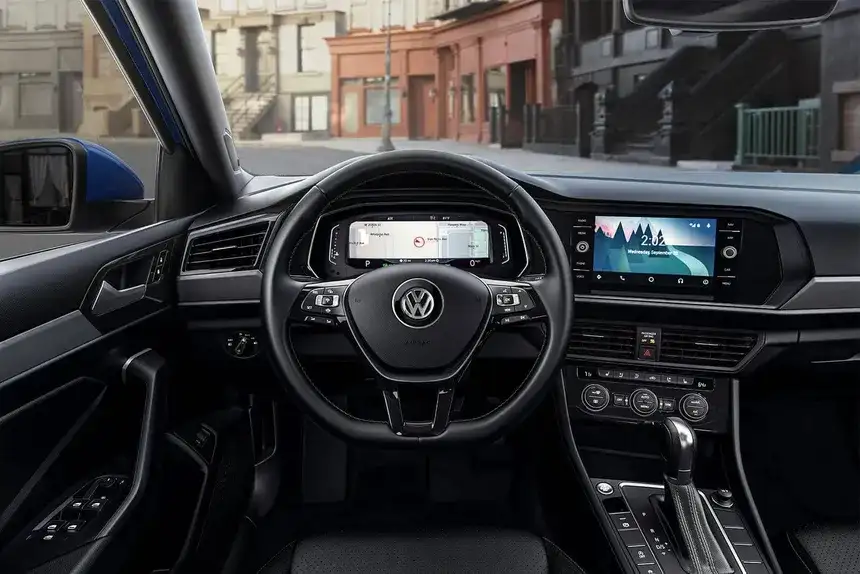
Last month, a Jetta owner came in from Star City after her VW app flagged an amber warning in her Digital Health Report that she had been dismissing for three weeks. She assumed it was a minor sensor glitch and kept driving her normal route along WV-7 and through downtown Morgantown. After another 2,200 miles, what had been a manageable brake fluid contamination issue had progressed to a full brake system flush plus rotor resurfacing on both front axles. The brake fluid service she skipped? $89. The corrective repair she needed instead? $620.
That scenario plays out more often than most drivers expect, and it almost always starts the same way: a Digital Health Report flag that got dismissed, delayed, or simply misunderstood.
Spring in Morgantown is genuinely hard on vehicles. The freeze-thaw cycles that hammer Monongalia County roads from January through March leave behind pothole-riddled stretches on University Avenue, WV-705, and the Grafton Road corridor. By the time April arrives, your VW has absorbed months of salt brine, cold starts, and rough road vibration. The Digital Health Report is specifically designed to surface what all of that stress has done to your vehicle’s systems before it becomes a roadside problem.
This post will walk you through what the Digital Health Report actually does, why spring is the ideal time to act on it, and how Morgantown VW drivers can use it as a practical tool rather than a notification to swipe away.
What the VW Digital Health Report Actually Does
Most Volkswagen owners know the Digital Health Report exists because the app sends a notification. Fewer understand what’s actually happening behind that notification, and that gap is where deferred maintenance tends to hide.
The Digital Health Report is generated through your vehicle’s onboard diagnostic system, which continuously monitors dozens of subsystems including your engine, transmission, brakes, battery, lighting, and fluid levels. When your vehicle reaches a certain mileage threshold or when a sensor detects a parameter outside normal range, the report compiles those findings and delivers them through the myVW app or your vehicle’s infotainment display.
What the Color Codes Actually Mean
The report uses a straightforward traffic-light system that’s worth understanding precisely. A green status means the monitored system is operating within normal parameters and no action is required. An amber status means a condition has been detected that warrants attention within a reasonable timeframe, typically within the next 30 days or before your next significant road trip. A red status means the system is detecting something that needs prompt professional attention and continued driving may cause additional damage or create a safety concern.
The mistake most drivers make is treating amber the way they treat a low-priority email. Amber doesn’t mean “optional.” It means “scheduled, not urgent,” and there’s a meaningful difference.
What the Report Doesn’t Do
The Digital Health Report is a powerful tool, but it has honest limitations worth knowing. It monitors what its sensors can measure. Wear items like tire tread depth, wiper blade condition, and cabin air filter contamination require a physical inspection to assess accurately. Think of the report as a strong starting point for your spring service conversation, not a complete picture on its own. 🔧
Why Spring Is the Right Time to Act on Your Report
West Virginia winters are genuinely punishing on vehicles in ways that don’t always trigger a warning light immediately. Road salt and brine used heavily on I-68, US-119, and the Monongalia County connector roads accelerate corrosion on brake lines, suspension components, and undercarriage hardware. The repeated thermal cycling of hard freezes followed by above-freezing days stresses rubber seals, hoses, and gaskets in ways that show up as slow leaks and soft failures weeks after the cold weather breaks.
Spring is the diagnostic window. The damage from winter has already occurred, but it hasn’t yet been compounded by the heat of summer driving. Acting on your Digital Health Report in March or April is the highest-leverage maintenance timing of the year.
What West Virginia Road Conditions Do to Your VW Specifically
The potholes and frost heaves on Beechurst Avenue, the rough rail crossing approaches near the WVU Coliseum area, and the elevation changes along WV-43 toward Cheat Lake all contribute to accelerated wear on suspension bushings, wheel alignment, and wheel bearing health. These are components the Digital Health Report can flag indirectly through steering and chassis sensors, but they benefit most from a hands-on inspection that accompanies your spring service visit.
A Golf Alltrack owner came in from Westover last spring after his Digital Health Report showed amber flags on his tire pressure monitoring system and a note on his next scheduled service being overdue. When our technicians put it on the lift, they found two tires with uneven wear patterns pointing to an alignment issue, likely caused by a hard pothole impact on University Avenue that winter. Catching it at the alignment service stage cost $129. Left unaddressed, irregular tire wear would have required early replacement of two tires, running $400 to $600.
How to Read and Act on Your Digital Health Report
Opening the myVW app and tapping into the health report is straightforward, but knowing what to do with what you find is where most drivers need a bit of guidance.
When you open your report, start with any red items and treat them as immediate. Don’t complete a long road trip, don’t delay a week for a more convenient appointment time. Red status items are the report’s way of communicating that a system is outside safe operating parameters.
For amber items, write them down or screenshot the report. When you call or book online with our service department at the Mary Jane Wood Circle location, sharing that list upfront allows the service team to prepare accurately and reduces the time your vehicle spends in the bay.
Green items still benefit from a quick visual check during your spring service. A green brake status, for example, reflects sensor data. A technician’s eye on actual pad thickness and rotor condition adds a layer of confirmation that sensors alone can’t provide.
Getting the Most From Your Spring Service Visit
Bring your Digital Health Report to your appointment the way you’d bring notes to a doctor visit. The report gives our technicians a roadmap, and combining it with a physical seasonal inspection creates a complete picture of where your VW stands heading into spring and summer.
Cost breakdown for a typical spring service built around a Digital Health Report review:
Reactive approach (ignoring amber flags through winter, addressing failures in spring):
- Brake fluid contamination repair after system degradation: $620
- Alignment correction after two tires worn unevenly: $129 plus $400 to $600 in tires
- Battery replacement after failure rather than proactive swap: $280 versus $160 during a scheduled visit
- Total reactive cost: $1,029 to $1,229
Proactive approach (acting on Digital Health Report flags at the right time):
- Brake fluid service: $89
- Alignment check and correction: $129
- Proactive battery test and replacement if needed: $160
- Smart total: $378
Your savings from acting on the report: $650 to $850. That’s a realistic comparison based on what we see in our service bay on Mary Jane Wood Circle regularly.
Common Myths About the Digital Health Report
A lot of VW owners arrive with misconceptions about the report that lead to either over-reliance or dismissal. Both create problems.
The most common myth is that no warning light means no problem. The Digital Health Report is more comprehensive than your dashboard warning lights, but it still depends on functioning sensors and doesn’t replace physical inspection for wear-based items. A cabin air filter clogged with Morgantown pollen and road dust won’t trigger a sensor alert. Neither will a wiper blade that smears instead of clears.
The second myth is that the report is only useful when something is wrong. In reality, a fully green report in April after a West Virginia winter is meaningful positive confirmation. It tells you the major monitored systems came through the cold season within normal parameters, and it gives you a documented baseline for comparison at your next service interval.
“The drivers who get the most value from the Digital Health Report are the ones who open it consistently, not just when the app badge shows a notification,” says Daniel Rourke, Senior Service Advisor at the Mary Jane Wood Circle location. “Check it monthly, screenshot anything amber, and bring it in. We can work through a three-item amber list in a single appointment and send you out knowing exactly where your VW stands.” 🚘
Your 30-Day Spring Digital Health Check
This week: Open your myVW app and pull up the current Digital Health Report. Review every item, not just the flagged ones, and take a screenshot of the full report. If you have any red items, call our service department on Mary Jane Wood Circle and book an appointment before the week is out. Don’t wait for a more convenient time with a red status showing.
Within two weeks: Cross-reference your report’s service interval reminder with your actual mileage. West Virginia winter driving, especially short daily trips through Morgantown traffic, can accelerate oil degradation faster than the mileage counter reflects. If you’re within 1,500 miles of your next oil service, schedule it now alongside any amber items rather than making two separate trips.
By month’s end: Book a spring inspection that combines your Digital Health Report review with a physical seasonal check covering tire tread depth, wiper blade condition, cabin air filter, and undercarriage inspection for salt corrosion. Bundling these into one appointment is more efficient and ensures nothing that the sensors can’t catch gets missed heading into spring and summer driving.
These three steps take less than an hour of your time across the month but can save you hundreds of dollars and prevent the kind of mid-season breakdown that no one has room for in a busy Morgantown schedule.
Acting on your Digital Health Report isn’t about being a car enthusiast. It’s about using a tool that your VW already generates for you and not leaving that information sitting unread in an app notification.
Schedule Your Spring VW Health Check Today
The Star City Jetta owner from the beginning of this post came back the following spring with a completely different approach. She set a monthly reminder to open her myVW app, came in promptly when an amber flag appeared, and left with a $95 repair and a full green report. No surprises, no compounding damage, no repair bill that required rearranging her budget.
At Volkswagen Morgantown, our certified technicians know how Monongalia County driving conditions affect these vehicles across every season. When you bring your Digital Health Report to your appointment, you’re giving us a head start on understanding exactly what your VW needs, and that translates to faster, more accurate service every time.
Schedule your spring inspection today by visiting our service department or booking online. You’ll find us at 401 Mary Jane Wood Circle, Morgantown, WV 26501.
Acting on your Digital Health Report protects your investment, prevents small seasonal issues from becoming expensive mid-summer repairs, and ensures your VW is as ready for West Virginia spring roads as it can be. That’s the confidence that comes from using every tool your vehicle already gives you.

0 comment(s) so far on Why Your VW’s Digital Health Report is Your Best Tool for Spring Cleaning