




WV Pothole Recovery: Protecting Your VW Suspension and Tires
Key Takeaways
- Freeze thaw cycles create serious pothole conditions across Morgantown roads, placing real stress on suspension components and tires.
- A hard pothole impact can cause damage that isn’t always obvious right away, even when the vehicle seems to drive normally afterward.
- A few driving habits reduce the risk of suspension and tire damage during the roughest months of the year.
- Post pothole inspections catch hidden issues before they turn into larger, costlier repairs.
Every winter and into early spring, Morgantown’s roads take a beating from freeze thaw cycles that leave behind their fair share of potholes. A quick suspension check after hitting a bad pothole costs far less than repairing damage that went unnoticed for months. A little awareness of how potholes affect a Volkswagen helps drivers protect their vehicle through the roughest stretches of the year.
Why Morgantown Sees a Rough Pothole Season
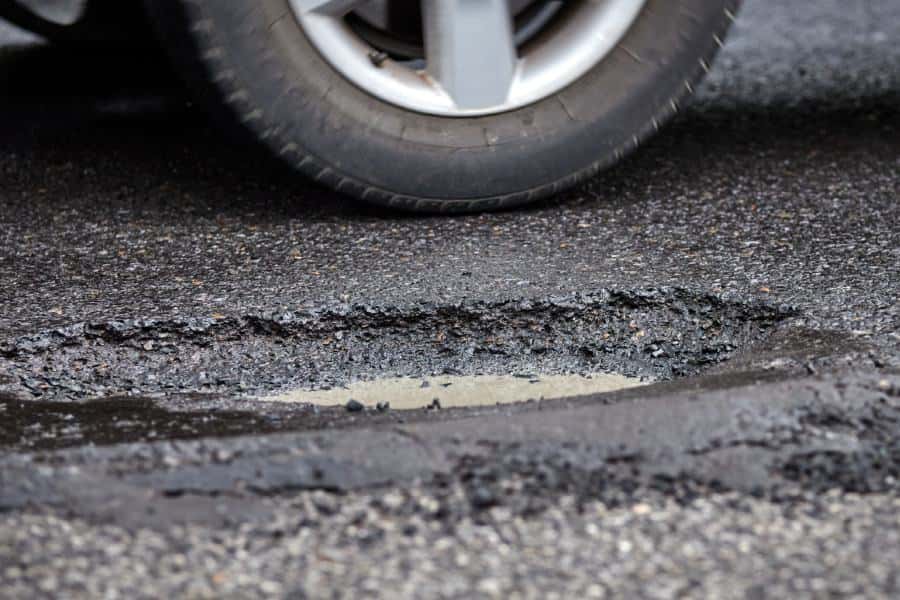
North-central West Virginia’s winters bring enough freeze and thaw cycles to create serious pothole conditions on local roads. Water works its way into small cracks in the pavement, freezes and expands overnight, then thaws again during the day, gradually widening those cracks until a section of road eventually gives way under traffic. Routes like Route 7, Patteson Drive, and stretches of University Avenue tend to develop noticeable potholes during the worst of this cycle, often appearing with little warning after a hard freeze.
Morgantown’s hilly terrain adds another layer to the problem, since water runoff on grades tends to pool and refreeze in ways that accelerate pavement breakdown compared to flatter roads. Steep streets near Sunnyside and the Evansdale area, along with older sections of road throughout downtown, tend to show wear earlier in the season than newer or more recently repaved stretches. By the time late February and March arrive, many local drivers have learned to expect a fresh crop of potholes on routes they drive every day.
This pattern repeats itself every year, which means pothole damage is less a matter of if than when for most vehicles that spend a full winter on Morgantown roads.
How Potholes Affect Suspension Components
Hitting a pothole at speed sends a sudden, sharp impact through the wheel and directly into the suspension system, and that impact can affect several components at once. Shocks and struts absorb the initial jolt, but a hard enough hit can damage their internal seals or valving, reducing their ability to control the vehicle’s motion over subsequent bumps. Control arm bushings and ball joints can also be stressed beyond their normal range, sometimes without any immediately obvious symptom at the moment of impact.
The severity of the resulting damage often depends on a combination of factors: vehicle speed at the moment of impact, the depth and shape of the pothole itself, and whether the driver had any chance to slow down before hitting it directly. A shallow, wide pothole hit at low speed rarely causes lasting damage, while a deep, sharp edged pothole struck at higher speed can bend a wheel or damage a strut on a single hit.
Because damage from a single hard impact doesn’t always cause an immediate, obvious symptom, a Volkswagen can be driven for weeks afterward before a driver notices something feels different in the ride. A worn bushing or a slightly bent component often shows up gradually, through a subtle change in handling or an odd noise over bumps, rather than announcing itself right away.
Tire and Wheel Damage from Potholes
Tires and wheels take just as much of the impact as the suspension, and potholes are a common cause of bent rims, sidewall damage, or a sudden loss of tire pressure. A sharp edged pothole can crack a wheel or cause a bulge in the tire’s sidewall, both of which compromise the tire’s structural integrity even if the vehicle seems to drive normally afterward. A bulge in particular is a serious warning sign, since it indicates the internal structure of the tire has been damaged and the tire could fail without further warning.
A bent wheel can also throw off alignment, leading to uneven tire wear that develops gradually over the following weeks rather than showing up immediately. Drivers sometimes attribute this kind of wear to normal aging rather than connecting it back to a pothole hit from weeks earlier, which is part of why a post pothole check matters even when nothing seems obviously wrong.
Driving Habits That Reduce Pothole Risk
A few habits help reduce the chances of significant damage when a pothole can’t be avoided:
- Maintaining proper following distance, which gives a driver more time to spot a pothole in the road ahead and react before hitting it directly, rather than discovering it at the last second behind another vehicle
- Slowing down rather than braking hard directly over a pothole, since hard braking shifts weight forward onto the front wheels and can increase the force of impact on the front suspension right as the wheel enters the pothole
- Keeping tires properly inflated, since correctly inflated tires absorb impact somewhat better than underinflated ones, which are more prone to sidewall damage and pinch style blowouts
- Staying alert on familiar routes, since drivers sometimes let their guard down on roads they travel daily, right when a new pothole is most likely to have appeared unexpectedly after a recent freeze
Signs Your Volkswagen May Have Pothole Damage
A few symptoms are worth having checked after hitting a significant pothole, even if the vehicle seems to drive normally at first:
- A pulling sensation to one side while driving, which often points to an alignment issue caused by the impact
- Vibration felt through the steering wheel at highway speeds, which can indicate a bent wheel or damaged tire
- A noticeable change in ride quality, such as increased bouncing over small bumps that wasn’t present before
- Visible damage to a wheel, such as a crack, dent, or a bulge in the tire sidewall
What a Post Pothole Inspection Typically Covers
A thorough inspection after a hard pothole hit generally includes a check of tire and wheel condition for any visible damage, an alignment check to confirm the vehicle is tracking straight, and a look at the shocks, struts, and related bushings for any signs of stress or leaking. Because some of this damage can be difficult to spot without a closer look, having a technician check the vehicle is more reliable than relying on how the car feels from behind the wheel, especially in the days immediately following an impact when subtle symptoms may not have developed yet.
Our technician Dale Fetty sees a noticeable increase in customers coming in after a hard freeze, particularly following the kind of pothole that catches a driver by surprise on a familiar route. He often finds that a driver who describes the impact as minor at the time turns out to have a bent wheel or a stressed bushing that would have gone unnoticed without a proper inspection. Catching an issue early through inspection, rather than waiting for a symptom to develop, generally means a simpler and less costly repair than addressing the same damage after weeks of continued driving.
Building Pothole Awareness Into Regular Driving
Our service advisor Callie Wamsley recommends that Volkswagen owners have their vehicle checked any time they hit a pothole hard enough to notice the impact in the cabin, rather than waiting to see if a symptom develops over the following weeks. Because some suspension and wheel damage doesn’t announce itself right away, a quick inspection after a rough hit often catches something before it becomes a larger repair or a safety concern down the road.
This is especially worth keeping in mind for anyone commuting daily on routes prone to seasonal pothole damage, since repeated smaller impacts over the course of a winter can add up in ways that a single hard hit might not. A vehicle that has taken several moderate hits over a few months may show cumulative wear that’s worth catching at a routine service visit even without one specific incident to point to.
Morgantown’s pothole season is simply part of driving here through the winter and early spring months, and a bit of awareness helps keep a Volkswagen’s suspension and tires protected through the roughest stretches of road. Our team at Volkswagen Morgantown, located at 401 Mary Jane Wood Circle, Morgantown, WV 26501 is happy to check your suspension and tires after a rough pothole encounter or as part of routine seasonal maintenance.

0 comment(s) so far on WV Pothole Recovery: Protecting Your VW Suspension and Tires