




How Snow and Ice Impact VW Braking Systems in Northern West Virginia
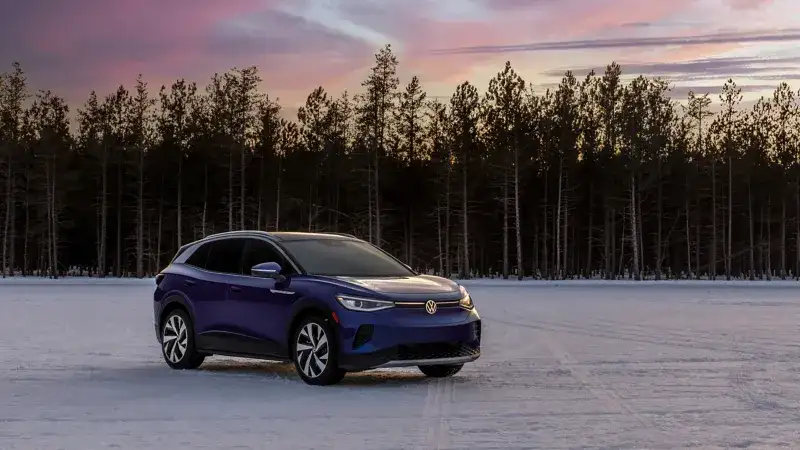
Two weeks ago, a 2020 Volkswagen Jetta came in after the owner experienced complete brake failure on a snowy morning commute down Cheat Road. She had ignored a soft brake pedal for three days, assuming it was just the icy conditions affecting her braking. The inspection revealed moisture had contaminated her brake fluid through a compromised reservoir cap, and freezing temperatures caused the water to create ice crystals in her brake lines. The complete brake system flush, caliper service, and new master cylinder cost $1,340. The brake fluid service she postponed from her 40,000-mile maintenance? Just $89.
If you drive through Morgantown winters, you know that Monongahela County delivers some of West Virginia’s harshest winter conditions. Between mid-November and March, University Avenue, I-68, and the hills around WVU see heavy snow, freezing rain, and black ice that challenges even experienced drivers.
What most Volkswagen owners don’t realize is that winter conditions don’t just make roads more dangerous. They fundamentally change how your braking system performs, and understanding these changes can mean the difference between safe winter driving and a collision on icy pavement.
This isn’t about creating anxiety around winter driving. It’s about understanding the specific ways snow and ice affect your VW’s braking capabilities and what you can do to maintain optimal braking performance when you need it most. We’ll explain exactly what happens to your brakes in freezing conditions, which warning signs demand immediate attention, and the maintenance steps that keep your family safe on northern West Virginia’s winter roads.
Understanding How Cold Temperatures Change Your Brake System
Your Volkswagen’s braking system relies on hydraulic pressure transferring force from your brake pedal to the calipers at each wheel. This system operates on precise tolerances, and cold temperatures disrupt multiple aspects of how everything works together.
Brake fluid is hygroscopic, meaning it naturally absorbs moisture from the air over time. In normal conditions, this moisture simply lowers your brake fluid’s boiling point, which affects performance during hard braking or mountain descents. In freezing temperatures, that absorbed moisture can actually freeze inside your brake lines, creating ice crystals that restrict fluid flow or even block it completely.
We see this most often on Volkswagen models that have missed their scheduled brake fluid service. Fresh brake fluid has a moisture content below 2%. After two years in your vehicle, that number can climb to 3-4%, and after four years, some brake fluid contains 6-8% water. When temperatures drop to 15 degrees, like they frequently do in Morgantown during January and February, that water content becomes a serious safety issue.
Your brake pads also behave differently in extreme cold. The friction material in brake pads is engineered to work within specific temperature ranges. When temperatures drop below 20 degrees, brake pads become harder and less flexible, reducing their ability to create friction against your rotors during the first few applications after your vehicle has been sitting overnight.
What Happens to Brake Components in Snow and Ice
The mechanical components of your braking system face additional challenges when snow and ice enter the equation. Your brake rotors, calipers, and pads are all exposed to the elements, and winter precipitation creates problems that don’t exist during other seasons.
When you drive through snow, moisture accumulates on your brake rotors and inside your wheel wells. If temperatures are hovering around freezing, this moisture can freeze directly onto your rotors, creating a thin layer of ice between your brake pad and the rotor surface. This ice layer dramatically reduces braking effectiveness for the first several brake applications until friction generates enough heat to melt it.
Brake calipers contain moving pistons that must slide smoothly to apply and release brake pressure. When snow melt and road spray freeze overnight, ice can form around caliper slides and pivot points. A caliper that doesn’t release properly creates constant brake drag, overheating your brakes and wearing pads unevenly. A caliper that doesn’t apply properly means reduced braking power, longer stopping distances, and potential brake failure in emergency situations.
The parking brake system on Volkswagen models uses cables that route underneath the vehicle to engage rear brake mechanisms. These cables are protected by sheaths, but water intrusion is impossible to prevent completely. When temperatures drop, moisture inside these cable sheaths freezes, causing the parking brake to stick in the engaged position or preventing it from engaging when you need it.
Warning Signs Your VW’s Brakes Are Struggling with Winter Conditions
A Volkswagen Tiguan owner brought his SUV to our shop last January complaining that his brakes felt “mushy” after sitting overnight in his driveway. He’d been driving it for a week like this, assuming the feeling would go away once the vehicle warmed up. The inspection revealed his brake fluid had absorbed enough moisture that ice crystals were forming in the ABS module overnight. The brake fluid service and ABS module bleeding cost $285. Had he continued driving, he risked complete brake failure at highway speeds.
The challenge with winter brake problems is distinguishing between normal winter driving feel and actual mechanical issues that compromise your safety. Your Volkswagen’s braking will feel different on snow and ice compared to dry pavement, but certain symptoms always indicate problems requiring immediate professional attention.
A soft or spongy brake pedal, especially one that feels worse in the morning and improves after several brake applications, suggests moisture contamination in your brake fluid. This isn’t normal winter behavior. Your brake pedal should feel firm and consistent regardless of temperature. Any sponginess indicates air or moisture in your hydraulic system.
Grinding or scraping sounds when braking in winter don’t always mean worn brake pads. Ice and snow can accumulate between your pad and rotor, creating temporary noise. However, if the grinding persists after your brakes have warmed up from a few miles of driving, you’re hearing metal-on-metal contact that demands immediate inspection.
Your vehicle pulling to one side during braking on clear, dry pavement after winter weather indicates uneven brake operation. One caliper may have frozen partially engaged, or moisture and freezing temperatures may have damaged caliper components on one side. This creates dangerous handling characteristics and accelerates brake wear dramatically.
Brake warning lights on your dashboard should never be ignored, regardless of season. In winter, these lights often indicate issues related to the ABS system detecting wheel speed sensor problems from ice buildup, or brake fluid level sensors detecting fluid contamination. Modern Volkswagens have sophisticated brake monitoring, and when the system warns you, there’s a legitimate problem.
Your parking brake refusing to release on cold mornings, or failing to engage when you set it, points to frozen cables or moisture in the parking brake mechanism. While this might seem like a minor inconvenience, a parking brake that won’t release can damage brake components, and one that won’t engage could allow your vehicle to roll on the sloped driveways and parking areas common throughout Morgantown. ❄️
Why Morgantown’s Winter Climate Creates Unique Braking Challenges
Morgantown sits at elevations ranging from 800 to over 2,000 feet, depending on which neighborhood you’re in. This elevation variation creates microclimates where conditions change dramatically over short distances. You might leave Suncrest in clear conditions and encounter black ice on Cheat Road minutes later.
The hills throughout Monongahela County demand more from your braking system than flat terrain ever would. Descending from the Star City area toward downtown requires consistent brake application to maintain safe speeds, especially when roads are snow-covered. This continuous braking generates heat, and when you stop at the bottom, that heat meets frigid air and road spray. The rapid temperature change stresses brake components and accelerates wear on seals and boots.
Our freeze-thaw cycles compound brake system stress. Temperatures frequently swing from 38 degrees during the day to 18 degrees overnight. This constant cycling causes moisture to penetrate brake components during warmer periods, then freeze and expand during cold periods. The expansion damages rubber seals, accelerates corrosion on metal parts, and creates the conditions for brake failure.
The salt and chemical deicers used throughout Morgantown create an additional layer of complexity. When these chemicals mix with snow melt on your brakes, they form a corrosive slush that attacks metal components aggressively. Unlike dry salt, this wet, chemically active mixture penetrates deeper into brake assemblies and stays active longer.
The Real Cost of Winter Brake Neglect
His cost breakdown:
- Complete brake system flush for moisture contamination: $165
- Master cylinder replacement: $580
- Front caliper service (both sides): $420
- Rear brake pad replacement (accelerated wear from dragging caliper): $275
- Total cost of “assuming winter was the problem”: $1,440
What he should have done:
- Scheduled brake fluid service at 40,000 miles: $89
- Pre-winter brake inspection: $0 (included with oil change)
- Caliper boot replacement when technician noted minor cracking: $130
- Smart total: $219
His actual loss from postponing maintenance: $1,221. That doesn’t include the two days he was without his vehicle during winter when he needed it most, or the risk he took commuting to WVU on questionable brakes for three weeks before the problem became impossible to ignore.
Your Volkswagen Model’s Winter Brake Vulnerabilities
Different Volkswagen models respond to winter conditions in ways that reflect their design and typical usage patterns. Understanding your specific model helps you know which aspects of winter brake maintenance deserve closest attention.
The Volkswagen Jetta and Passat sedans sit lower to the ground, meaning their brake components are closer to road spray and accumulated snow. Their front-wheel-drive configuration puts more braking load on the front wheels during normal driving, and even more during winter conditions when weight transfers forward during deceleration. We see more front brake wear on these models after harsh winters around Morgantown.
Volkswagen Tiguan and Atlas SUVs carry more weight and sit higher, which changes how they interact with winter roads. Their increased mass means brake systems work harder to achieve the same stopping distances, generating more heat that then meets frigid air. The electronic brake-force distribution systems on these models are sophisticated, but they rely on wheel speed sensors that can malfunction when ice builds up around the sensor rings.
The Volkswagen Golf and GTI models, particularly those with performance packages, use larger brake rotors and higher-performance brake pads. These components are engineered for spirited driving and generate significant heat. In winter, the thermal cycling between hot braking and cold temperatures creates more stress on these performance brake components than standard systems experience.
“The biggest mistake we see is VW owners treating winter brake problems as temporary inconveniences,” says Jennifer Martinez, Lead Brake Specialist at our Mary Jane Wood Circle location. “Someone drives with a grinding noise for two weeks thinking it’s just ice buildup, when they’re actually destroying rotors that could have been saved. By the time they come in, what should have been a $180 brake pad service has become an $850 rotor and pad replacement. Winter doesn’t pause your brake wear, it accelerates it.”
Essential Winter Brake Maintenance for Your Volkswagen
Protecting your VW’s braking system through northern West Virginia winters requires a different maintenance approach than you’d use in milder climates. The good news is that these maintenance steps aren’t complicated or unreasonably expensive, they just require attention and timing.
Pre-winter brake inspection is your foundation for safe winter driving. Schedule this inspection in late October or early November, before the first significant snowfall. This inspection should include measuring brake pad thickness, examining rotor condition, testing brake fluid moisture content, checking caliper operation, and inspecting all rubber boots and seals for winter readiness.
Brake fluid service becomes critical before winter if your VW is approaching or past the manufacturer’s recommended interval. Most Volkswagen models call for brake fluid replacement every two years or 20,000 miles, whichever comes first. If your vehicle is within six months of this interval when winter arrives, replace the fluid before snow season rather than waiting until spring.
The moisture test is simple and takes minutes. Your technician uses a brake fluid tester that measures water content as a percentage. Anything above 3% means your brake fluid has absorbed enough moisture to create freezing risks in Morgantown winters. Fresh fluid gives you the hydraulic performance and freezing protection your braking system needs when temperatures drop.
Caliper service during pre-winter inspection catches problems before they strand you. This service includes lubricating caliper slides with high-temperature brake grease that remains effective in freezing conditions, inspecting caliper boots for cracks or tears that could allow moisture intrusion, and verifying that pistons move freely without binding or sticking.
Post-winter inspection in early April addresses any damage that accumulated during snow season. Even with perfect maintenance, three months of freezing temperatures, road salt, and thermal cycling takes a toll on brake components. This inspection identifies wear that might not cause immediate problems but will create issues by next winter if left unaddressed.
Your 30-Day Winter Brake Protection Plan
This week: Test your brakes in a safe location to establish a baseline for how they should feel. Find an empty parking lot or quiet street, accelerate to 25 mph, and apply your brakes firmly but not aggressively. Note how the pedal feels, whether the vehicle stops straight without pulling, and if you hear any unusual sounds. If your parking brake is currently working, test that it holds your vehicle on a slight incline. Document what you observe so you’ll recognize changes that develop as winter progresses. If anything feels wrong during this test, particularly a soft pedal or pulling to one side, schedule an inspection immediately rather than waiting.
Within two weeks: Check your maintenance records to verify when your brake fluid was last replaced and when your brakes were last professionally inspected. If your brake fluid is over two years old or if you can’t remember the last time it was changed, schedule a brake fluid service before temperatures consistently drop below freezing. Winter is the worst time to be driving on contaminated brake fluid. Also verify that your vehicle has the correct cold-weather washer fluid, as visibility and clean windshields become critical for safe winter driving when braking distances increase.
By month’s end: Schedule your pre-winter brake inspection if you haven’t already had one this fall. This inspection should happen before Morgantown sees its first major snowfall, ideally in early November. During this appointment, ask your technician to show you your brake pad measurements and explain how much life remains before winter wear consumes what’s left. Request a brake fluid moisture test even if your fluid isn’t due for replacement yet, knowledge about your fluid condition helps you plan appropriately. These three steps take minimal time but provide maximum confidence that your braking system is ready for whatever northern West Virginia winter throws at it.
Common Winter Brake Myths That Create Safety Risks
The most dangerous myth we encounter is that reduced braking performance in winter is normal and unavoidable. While it’s true that stopping distances increase on snow and ice due to reduced tire traction, your brake system itself should maintain consistent performance. If your brakes feel significantly different in winter beyond the normal feedback from driving on slippery surfaces, you have a mechanical problem that needs diagnosis.
Another misconception is that grinding noises in winter are always just ice on the rotors that will go away after a few brake applications. Ice accumulation can create temporary noise, but that noise should disappear completely within the first quarter-mile of driving as brake friction melts the ice. Grinding that persists beyond this point indicates worn brake pads, damaged rotors, or caliper problems that winter conditions are revealing or accelerating.
Some drivers believe that newer Volkswagens with electronic stability control and ABS don’t require the same brake maintenance attention as older vehicles. These electronic systems are incredible safety features that help maintain control during emergency braking, but they can’t compensate for mechanically compromised brakes. In fact, contaminated brake fluid or sticky calipers can actually cause these electronic systems to malfunction, leaving you with neither the mechanical nor electronic safety features working properly.
A Passat owner came to us in February after her ABS warning light had been on for three weeks. She assumed the light was related to driving in snow and that it would reset itself when roads cleared. The actual problem was brake fluid with 7% moisture content causing erratic signals from the ABS hydraulic unit. The brake fluid service resolved the issue for $89, but she’d spent three weeks without functional ABS during the most dangerous driving conditions of the year.
Her cost breakdown:
- Three weeks of winter driving without ABS protection: Priceless risk
- Emergency brake fluid service when she finally came in: $89
- Potential cost if contaminated fluid had damaged ABS module: $800-$1,200
What she should have done:
- Brake fluid service at recommended 2-year interval: $89
- Pre-winter brake inspection catching the issue early: $0 (included with service)
- Smart total: $89
Her false assumption about the warning light created weeks of unnecessary risk. Modern Volkswagen brake warning systems are sophisticated and accurate, when they warn you of a problem, that problem exists regardless of weather conditions.
Schedule Your Winter Brake Inspection Today
Remember that Jetta owner from the beginning? After we repaired her brakes and explained how moisture contamination caused the failure, she committed to following Volkswagen’s maintenance schedule exactly. This past winter was her second season with properly maintained brakes, and she reported feeling dramatically more confident driving through snow on I-68 and handling the hills around Morgantown knowing her braking system was in optimal condition.
The difference between brake failure on an icy morning and confident winter driving comes down to understanding how cold temperatures affect your Volkswagen’s braking system and maintaining that system proactively. Winter doesn’t care about your schedule or budget, and brake problems don’t wait for convenient timing.
Our certified Volkswagen technicians at 401 Mary Jane Wood Circle in Morgantown use manufacturer-specific diagnostic equipment and genuine VW brake components to maintain and repair your braking system. We understand the unique challenges that northern West Virginia winters create, from the elevation changes around WVU to the freeze-thaw cycles that damage brake components throughout Monongahela County.
Schedule your winter brake inspection today by visiting our service department or booking online through our website. We’ll provide a thorough evaluation of your brake system’s current condition, test your brake fluid for moisture contamination, and explain exactly which maintenance steps will protect your family through the remainder of winter and beyond.
Proper brake maintenance ensures your Volkswagen stops reliably when black ice appears on University Avenue, protects your investment from expensive winter damage, and gives you the confidence to handle whatever weather Morgantown delivers. That’s the peace of mind professional brake service provides.

0 comment(s) so far on How Snow and Ice Impact VW Braking Systems in Northern West Virginia