




How to Maximize MPG with Proper Jetta Service
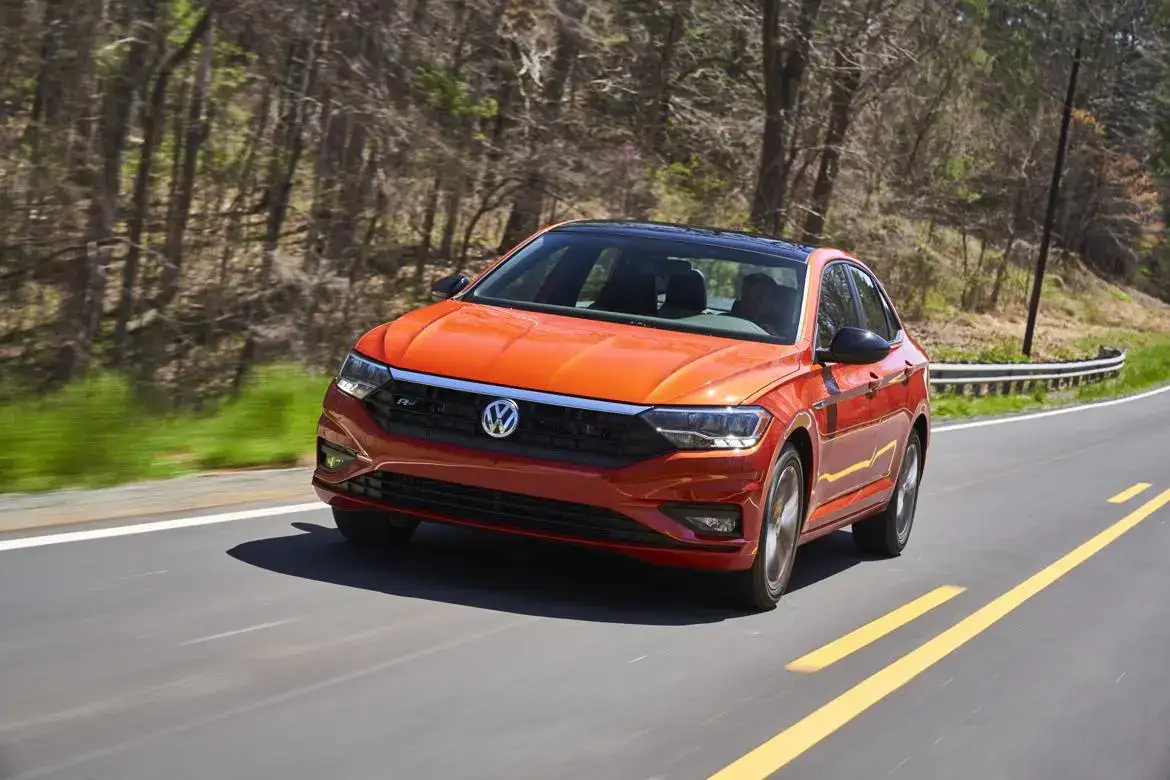
Three weeks ago, a 2021 Jetta pulled into our Mary Jane Wood Circle service bay averaging 28 MPG when it should have been getting 35. The owner had stretched oil changes to 12,000 miles to “save money” and hadn’t replaced the air filter in 40,000 miles. After catching up on deferred maintenance, the fuel economy recovered to 34 MPG. The service cost $340. The extra fuel they’d burned over those 15,000 miles? Nearly $450.
Fuel economy doesn’t just disappear on its own. When your Jetta’s MPG drops, something specific is causing it, and that something almost always traces back to maintenance you’ve delayed or skipped entirely.
Morgantown drivers face unique challenges that affect fuel economy. The constant elevation changes on Route 119 between Sabraton and Cheat Lake, stop-and-go traffic around the University during fall semester, and West Virginia’s temperature extremes all impact how efficiently your Jetta burns fuel. But the biggest factor isn’t terrain or traffic. It’s whether you’re keeping up with the services that directly affect combustion efficiency, rolling resistance, and engine performance.
This guide shows you exactly which services matter most for MPG, when to perform them, and what you’ll actually save at the pump.
Why Fuel Economy Drops (And How Maintenance Fixes It)
Your Jetta’s fuel economy depends on three core systems working efficiently: the engine burning fuel completely, the drivetrain transferring power without excess friction, and the tires rolling with minimal resistance.
Skip maintenance on any of these systems, and fuel economy drops. The decline happens gradually, maybe half an MPG every few thousand miles, so most drivers don’t notice until they’ve lost 5-7 MPG from their baseline. By then, you’ve burned hundreds of dollars in extra fuel.
The good news is fuel economy responds immediately to proper maintenance. We regularly see 2-4 MPG improvements within a single tank after addressing deferred service. A Jetta owner from Westover brought in their 2019 1.4T last December complaining about poor winter fuel economy. They were getting 26 MPG on their University Avenue commute when they normally saw 32 MPG.
Diagnosis revealed dirty fuel injectors, a clogged cabin air filter restricting airflow, and tire pressure 6 PSI low all around. The fuel injection service cost $165, the cabin filter was $45 installed, and the tire inflation was free. Within one tank, they were back to 31 MPG. Over the 12,000 miles since, that 5 MPG improvement has saved them approximately $240 in fuel costs.
The Five Services That Actually Impact Your MPG
Not all maintenance affects fuel economy equally. These five services have the most direct impact on how many miles you get per gallon.
Engine Oil and Filter Changes
Clean oil reduces internal engine friction, allowing your Jetta’s engine to run more efficiently. As oil ages and accumulates contaminants, it thickens and creates more resistance. Your engine works harder, burns more fuel, and delivers less power.
Volkswagen’s flexible service interval allows up to 10,000 miles between oil changes, but Morgantown’s driving conditions often require shorter intervals. If you’re making short trips around Sunnyside or Evansdale where the engine rarely reaches full operating temperature, or if you’re regularly climbing the grades on I-68 toward Bruceton Mills, your oil degrades faster.
We recommend 7,500-mile intervals for Morgantown drivers, or 6-month intervals if you drive less than 10,000 miles annually. The difference in fuel economy between fresh oil and 10,000-mile oil averages 0.5-1.0 MPG. That might not sound significant, but over 10,000 miles at current fuel prices, that’s $50-100 in additional fuel costs.
Air Filter Replacement
Your engine needs approximately 14 parts air to one part fuel for efficient combustion. A restricted air filter starves the engine of air, forcing it to compensate by adjusting the fuel mixture. This creates incomplete combustion, reduced power, and significantly worse fuel economy.
Volkswagen recommends air filter replacement every 40,000 miles, but West Virginia’s conditions accelerate filter clogging. Pollen from the surrounding hills in spring, construction dust from ongoing projects around the Morgantown area, and winter road grit all contribute to premature filter restriction.
Check your air filter every oil change. If it looks dirty or restricted, replace it regardless of mileage. A severely clogged air filter can cost you 2-3 MPG, which translates to $200-300 in wasted fuel over 10,000 miles. The filter costs $35-45 installed.
Fuel System Cleaning
Modern direct-injection engines like those in your Jetta spray fuel directly into the combustion chamber at extremely high pressure. Over time, carbon deposits build up on intake valves and injector tips, disrupting the precise fuel spray pattern engineers designed.
These deposits cause incomplete combustion, rough idle, hesitation during acceleration, and reduced fuel economy. The symptoms develop so gradually that most drivers adapt to them without realizing performance has degraded.
We recommend fuel system cleaning every 30,000 miles for Morgantown drivers, or sooner if you notice rough idle or hesitation. The service costs $145-185 depending on your engine, and typically restores 1-2 MPG in vehicles showing symptoms.
“Drivers come in saying their Jetta ‘doesn’t feel as peppy as it used to’ or ‘seems like it needs more throttle to maintain speed on 705,'” says Jennifer Martinez, Lead Technician at our Mary Jane Wood Circle location. “We pull the intake manifold and find significant carbon buildup on the valves. After cleaning, they’re always surprised how much smoother the engine runs and how quickly fuel economy improves.”
Tire Pressure and Condition
Underinflated tires are the fastest way to kill fuel economy. Every 1 PSI below the recommended pressure costs approximately 0.1-0.2 MPG. If your tires are 5 PSI low, you’re losing 0.5-1.0 MPG constantly.
Check tire pressure monthly, and always check when temperatures change significantly. West Virginia’s fall temperature swings can drop tire pressure 3-5 PSI overnight. What was properly inflated in September might be significantly low by November.
Tire condition matters too. Worn tires with less than 4/32″ tread depth create more rolling resistance than new tires. Misaligned wheels force tires to scrub rather than roll, dramatically increasing resistance and fuel consumption. If your Jetta pulls to one side on Patteson Drive or shows uneven tire wear, alignment issues are costing you fuel economy.
Transmission Fluid Service
Your Jetta’s automatic transmission uses fluid to transfer power and lubricate internal components. As this fluid ages, it loses its friction-modifying properties and becomes less effective at transferring power efficiently.
Volkswagen considers their DSG transmission fluid “lifetime,” but that’s a marketing term, not a maintenance recommendation. We recommend DSG service every 40,000 miles. The cost is $350-400, but the improvement in shift quality and efficiency is immediately noticeable.
A Jetta owner from Cheat Lake came in last spring at 85,000 miles having never serviced their DSG transmission. They’d noticed sluggish shifts and slightly worse fuel economy over the past year. The fluid we drained was dark brown instead of red. After service, their highway fuel economy improved from 36 MPG to 39 MPG, and shifts became noticeably smoother.
How Morgantown Driving Conditions Affect Your Maintenance Schedule
The constant elevation changes throughout Morgantown and the surrounding area accelerate certain types of wear that directly impact fuel economy.
Climbing the hill from downtown up to the hospital complex or navigating Route 119’s grades between Granville and Morgantown forces your engine to work harder. This creates higher combustion temperatures, accelerates oil degradation, and puts more stress on the cooling system. If your cooling system isn’t maintaining optimal temperature, your engine runs less efficiently.
Winter driving around Morgantown presents another challenge. Cold engines run rich, burning more fuel until they reach operating temperature. If you’re making multiple short trips around Suncrest or Sabraton where the engine never fully warms up, you’re burning significantly more fuel per mile than highway driving would require.
This is why local driving conditions matter when determining service intervals. Following the “severe service” schedule in your owner’s manual makes sense for most Morgantown drivers, even if you think your driving is normal.
Real Cost Comparison: Maintenance vs. Wasted Fuel
Let’s look at actual numbers comparing the cost of proper maintenance versus the fuel you’ll waste without it.
Scenario: 2020 Jetta driven 15,000 miles annually in Morgantown
Proper maintenance schedule:
- Oil changes every 7,500 miles (2 per year): $160
- Air filter annually: $40
- Fuel system cleaning at 30,000 miles: $165 (every 2 years = $82/year)
- Tire rotations every 7,500 miles: $80
- Annual cost: $362
- Fuel economy maintained: 34 MPG average
- Annual fuel cost at $3.20/gallon: $1,412
Delayed maintenance approach:
- Oil changes every 10,000 miles: $120
- Air filter every 40,000 miles: $15
- No fuel system cleaning: $0
- Tire rotations every 10,000 miles: $60
- Annual cost: $195
- Fuel economy degraded: 30 MPG average
- Annual fuel cost at $3.20/gallon: $1,600
Your annual savings with proper maintenance: $21
You’re not saving money by skipping maintenance. You’re just moving the cost from the service bay to the gas pump, and paying more overall.
Warning Signs Your Jetta’s Fuel Economy Needs Attention
Recognizing declining fuel economy early helps you address problems before they become expensive. Watch for these indicators that maintenance is overdue.
Calculate your actual MPG every few tanks. Don’t rely solely on the dashboard display, which can be optimistic. Divide miles driven by gallons purchased to get your true fuel economy. If you notice a drop of 2-3 MPG from your normal average, something needs attention.
Rough idle or hesitation during acceleration often accompanies fuel economy drops. These symptoms indicate combustion issues, frequently caused by carbon buildup, dirty fuel injectors, or worn spark plugs.
If your engine takes longer to warm up in winter or runs hotter than normal in summer, the cooling system may need service. Engine temperature directly affects fuel economy and efficiency.
Check engine lights related to the oxygen sensors, mass airflow sensor, or evaporative emissions system often appear alongside declining fuel economy. These sensors help the engine control module optimize the fuel mixture. When they fail or report incorrect data, fuel economy suffers immediately.
Your 30-Day Fuel Economy Check
This week: Calculate your current MPG manually over your next two tanks. Fill up completely, reset your trip odometer, drive normally, then divide miles driven by gallons at your next fill-up. Do this twice to establish your baseline. Write down the number. This gives you concrete data to track whether maintenance actually improves your economy.
Within two weeks: Check your tire pressure when the tires are cold, ideally first thing in the morning. Compare against the sticker on the driver’s door jamb, not the maximum pressure stamped on the tire sidewall. Add air as needed. While you’re there, inspect tire tread depth using a quarter. If Washington’s head is visible when inserted into the tread, you’re below 4/32″ and need replacement soon. Check tire wear patterns for signs of alignment issues.
By month’s end: Review your service history and identify when you last performed oil changes, air filter replacement, and fuel system cleaning. If you’re beyond the recommended intervals for Morgantown driving conditions, schedule service. Track your MPG for two tanks after service to measure the improvement. These three checks take about 45 minutes total but can identify $300-400 in annual fuel waste.
Simple Habits That Protect Your Fuel Economy
Beyond scheduled maintenance, several driving habits significantly impact your Jetta’s fuel economy around Morgantown.
Avoid aggressive acceleration and hard braking. Every time you accelerate rapidly from a stop on High Street during heavy traffic, you’re burning exponentially more fuel than smooth, gradual acceleration would require. Anticipate stops and coast when safe rather than braking hard at the last moment.
Use cruise control on I-79 between Morgantown and Fairmont. Maintaining steady speed is far more efficient than the slight speed variations that naturally occur without cruise control. The exception is hilly terrain where cruise control might downshift unnecessarily. On routes like I-68 with constant grades, managing throttle manually often delivers better economy.
Remove unnecessary weight from your vehicle. Every 100 pounds reduces fuel economy by approximately 1%. Clean out your trunk and remove roof racks when not needed.
The Real Value of Manufacturer-Specified Service
Volkswagen engineers designed your Jetta’s maintenance schedule based on extensive testing that accounts for engine design, component tolerances, and expected wear patterns. Following these recommendations isn’t about dealership profits. It’s about maintaining the efficiency the engineers built into the vehicle.
Using VW-specified oil, filters, and fluids ensures components work as designed. Aftermarket alternatives might save $10-20 per service, but they rarely match OEM specifications exactly. That small difference in viscosity, additive package, or filtration efficiency affects long-term performance and fuel economy.
Cost of maintaining a Jetta properly over 100,000 miles: $4,200-4,800 including all major services
Additional fuel cost from poor maintenance over 100,000 miles: $2,000-3,000 from reduced MPG
Your total savings from proper maintenance: $2,000-3,000 plus avoiding major repairs
The math strongly favors investing in maintenance. You’ll spend the money either way. The question is whether you spend it wisely on prevention or wastefully on extra fuel and eventual repairs.
Schedule Your Fuel Economy Service Today
That Jetta owner from the opening who’d stretched their oil changes and ignored their air filter? After we restored their fuel economy, they calculated they’d wasted nearly $450 in extra fuel over 15,000 miles by trying to save $200 on maintenance. They now follow our recommended schedule religiously and consistently achieve 34-35 MPG.
The relationship between maintenance and fuel economy isn’t theoretical. It’s measurable, predictable, and immediate. Neglect the services that affect combustion efficiency, rolling resistance, and drivetrain friction, and you’ll pay for it at every fuel stop.
Our certified Volkswagen technicians at 401 Mary Jane Wood Circle use factory diagnostic equipment and follow VW-specific service procedures that protect your fuel economy and your investment. We see the direct correlation between proper maintenance and MPG performance daily.
Schedule your Jetta service today by calling our service department or booking online at Volkswagen Morgantown, 401 Mary Jane Wood Circle, Morgantown, WV 26501. We’ll assess your current service status, address any deferred maintenance affecting fuel economy, and establish a schedule that keeps your Jetta running efficiently.
Proper maintenance maximizes fuel economy, reduces emissions, and ensures every gallon takes you as far as your Jetta was designed to go. That’s the efficiency proper service delivers.

0 comment(s) so far on How to Maximize MPG with Proper Jetta Service