




Transitioning to a VW EV? Service Tips for ID.4 Owners
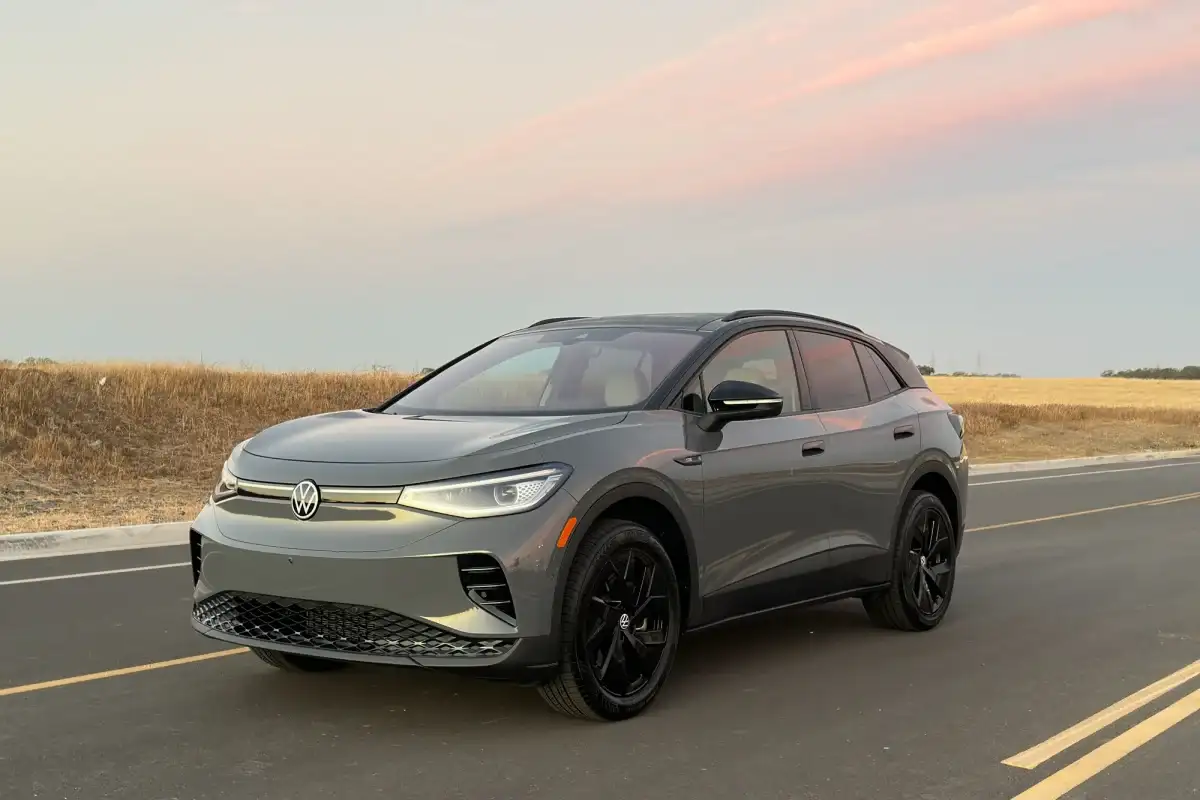
Last month, a new ID.4 owner came in for their first service after 12,000 miles, asking for an oil change. When we explained electric vehicles don’t have engine oil, they were shocked to realize they’d been completely confused about what their EV actually needed. They’d ignored tire rotations, skipped brake fluid testing, and never had the battery cooling system inspected because they assumed “EVs don’t need maintenance.” The comprehensive catch-up service cost $580. Following proper EV maintenance from the start? Would have cost $340 spread across appropriate intervals with no deferred items.
If you’re making the transition to a Volkswagen ID.4 around Morgantown, congratulations on joining the electric vehicle revolution. The ID.4 delivers impressive range, smooth acceleration, and the environmental benefits that make EVs increasingly popular. But along with eliminating trips to gas stations, you’re also entering a completely different maintenance paradigm that many new EV owners misunderstand.
The common misconception is that electric vehicles need no maintenance because they don’t have engines requiring oil changes. This is dangerously wrong. EVs have different maintenance needs, not zero maintenance needs. Understanding what your ID.4 actually requires prevents the neglect that causes problems, helps you budget appropriately, and ensures your electric Volkswagen delivers the reliability and longevity you expect.
This matters especially in West Virginia, where our terrain, weather, and driving conditions create specific EV maintenance needs. Proper care ensures your ID.4 performs reliably in challenging conditions while maximizing the battery life and efficiency that make electric driving economical.
What Your ID.4 Doesn’t Need (And What It Does)
Understanding the dramatic differences between gas vehicle and EV maintenance helps you avoid both unnecessary service and neglected EV-specific care. Starting with what your ID.4 doesn’t need helps appreciate what remains.
No engine oil changes because there’s no internal combustion engine. Your ID.4’s electric motor uses sealed bearings requiring no routine lubrication service. This eliminates the most frequent maintenance item gas car owners deal with every 6,000-10,000 miles. Over 100,000 miles, you’ll skip approximately 12-16 oil changes that would have cost $1,200-2,000 total.
No spark plugs, ignition coils, or timing belts because electric motors don’t use combustion. There are no spark plugs to replace at 60,000 miles, no ignition system maintenance, and no timing belt service at 100,000 miles. These items represent thousands in avoided maintenance costs over vehicle lifetime that EV owners never face.
“The most confused ID.4 owners are those transitioning from decades of gas car ownership,” says Alex Brennan, EV Specialist at our Mary Jane Wood Circle location. “They’re so conditioned to oil changes and engine maintenance that they don’t know what to do with a vehicle that needs neither. We have to educate them about what EVs actually need—which is different maintenance, not no maintenance. Tires, brakes, suspension, battery cooling, and cabin comfort all still require service.”
No transmission fluid services in the traditional sense. Your ID.4 uses single-speed gear reduction that VW rates as lifetime lubrication requiring no routine service under normal conditions. This eliminates transmission fluid services every 40,000-60,000 miles that conventional vehicles need, saving $300-400 per service over vehicle lifetime.
No exhaust system maintenance because there are no emissions. You’ll never need catalytic converter replacement, oxygen sensors, or exhaust component repairs that plague aging gas vehicles. In areas requiring emissions testing, your ID.4 is exempt entirely.
But your ID.4 absolutely needs: tire rotation every 6,000-7,500 miles, brake system inspection and fluid service, cabin air filter replacement, battery cooling system maintenance, suspension component inspection, and brake component service despite regenerative braking reducing wear. Understanding these EV-specific needs prevents the neglect that causes problems.
Understanding Regenerative Braking’s Effect on Maintenance
Your ID.4’s regenerative braking system fundamentally changes brake maintenance compared to gas vehicles. Understanding these differences helps you maintain brake components properly despite their reduced wear.
Brake pads last dramatically longer with regenerative braking handling most deceleration. Where gas vehicles might need front brake pads every 30,000-40,000 miles, ID.4s often reach 80,000-100,000 miles on original pads. The electric motor acts as generator during deceleration, converting kinetic energy back to electricity that recharges the battery rather than converting it to heat through friction brakes.
This extended pad life seems entirely positive, but it creates a maintenance consideration many EV owners don’t anticipate. Brake components that sit mostly unused can develop problems from insufficient use rather than excessive wear.
Surface rust on rotors develops when brakes aren’t used frequently enough to keep rotors clean. Your brake rotors accumulate light rust between the infrequent occasions when friction brakes engage. This rust causes vibration, noise, and reduced braking effectiveness when you do need friction brakes for emergency stops.
Deliberately use your friction brakes occasionally to keep components clean and functioning. Once monthly during highway driving, switch regenerative braking to lower level and use moderate brake pedal pressure to clean rotor surfaces and exercise caliper pistons. This intentional brake use prevents the rust and sticking that develop from prolonged inactivity.
Brake fluid still requires service despite reduced brake use. Brake fluid absorbs moisture from the atmosphere over time, lowering its boiling point and promoting internal corrosion. This degradation occurs regardless of how often brakes are used. VW specifies brake fluid testing every 20,000 miles and replacement every two years or 30,000 miles for ID.4s.
Many EV owners skip brake fluid service because “the brakes barely get used,” not realizing moisture accumulation happens independently of brake frequency. This neglected fluid eventually causes corrosion in calipers, brake lines, and ABS components requiring expensive repairs that proper fluid service would have prevented.
Caliper service becomes more critical because the reduced brake use can cause caliper slide pins to seize. Traditional vehicles exercise calipers constantly, keeping components moving freely. EVs’ infrequent friction brake use allows brake components to seize from corrosion and lack of movement. Annual brake inspection including caliper slide pin service prevents this issue. 🔋
A 2022 ID.4 owner came to us last spring after 42,000 miles experiencing grinding sounds during the rare occasions requiring heavy braking. They’d never had brake service because “regenerative braking means the brakes don’t wear out.” During inspection, we found rotors with heavy surface rust, rear calipers partially seized, and brake fluid contaminated with moisture. The comprehensive brake service cost $680 to address damage that would have been prevented with proper $165 fluid service at 30,000 miles plus occasional deliberate brake use.
Battery and Electric System Maintenance
Your ID.4’s high-voltage battery and electric drive system require specific maintenance that gas vehicles never needed. Understanding these requirements ensures optimal performance and longevity.
Battery cooling system inspection every 20,000 miles verifies the thermal management system maintains optimal battery temperature. Your ID.4 uses liquid cooling to keep the battery pack within ideal temperature range during charging and driving. This system includes coolant, pumps, heat exchangers, and sensors requiring periodic inspection.
West Virginia’s temperature extremes stress battery thermal management more than moderate climates. Summer heat requires aggressive cooling during fast charging, while winter cold demands battery heating before charging for optimal acceptance rates. The cooling system inspection ensures all components function correctly and coolant maintains proper protective properties.
High-voltage system inspection verifies electrical connections, cable conditions, and component operation throughout the 400-volt electrical system. High-voltage cables use orange insulation for identification and carry tremendous current requiring secure connections and undamaged insulation. Annual inspection catches corrosion, damage, or loosening before they cause system failures or safety concerns.
12-volt battery maintenance remains necessary despite having a large traction battery. Your ID.4 uses conventional 12-volt battery to power accessories, computers, and vehicle systems. This battery doesn’t start an engine but enables all vehicle functions. The 12-volt battery typically needs replacement every 4-5 years regardless of traction battery health.
Test the 12-volt battery annually and replace proactively when showing weakness. A failed 12-volt battery prevents your ID.4 from operating even though the traction battery is fully charged. You’ll be stranded with a “dead” EV despite having 200+ miles of range capacity. Preventive replacement costs $180-240 and prevents the inconvenience of unexpected failures.
Charging port and cable inspection ensures safe, efficient charging. The charging port contacts can corrode from weather exposure, affecting charging speed and potentially causing damage. Charging cables should be inspected for any damage to insulation or connectors. Any charging issues should be addressed immediately as electrical problems can worsen rapidly and create safety hazards.
Tire Maintenance Becomes Even More Critical
Tire maintenance on your ID.4 requires more attention than gas vehicles due to the instant torque and substantial weight of electric vehicles. Understanding these unique considerations helps maximize tire life and maintain safe handling.
Tire rotation every 6,000-7,500 miles is more critical than on gas vehicles. Electric motors deliver instant maximum torque from zero RPM, creating different wear patterns than gradual gas engine torque buildup. The immediate power delivery stresses front tires more aggressively during acceleration, accelerating wear if rotation is neglected.
Your ID.4 weighs approximately 4,600 pounds due to the battery pack, substantially more than comparable gas SUVs. This additional weight increases tire wear rates and makes proper rotation even more important for even wear distribution and maximum tire life.
Tire pressure monitoring weekly prevents the efficiency losses that matter more in EVs than gas vehicles. Underinflated tires increase rolling resistance, forcing your motor to work harder and consuming battery power that reduces driving range. Every 1 PSI below proper pressure reduces range by approximately 0.3%, making pressure maintenance critical for maximum efficiency.
Check pressures when tires are cold using the specifications on your driver’s door jamb. West Virginia’s temperature swings cause daily pressure variations. Tires properly inflated on a cool morning can be 3-4 PSI low by evening after heat from driving and ambient temperature increases.
Tire replacement timing affects range and efficiency. Worn tires with shallow tread create more rolling resistance than tires with adequate depth. Replace tires when tread reaches 4/32-inch rather than waiting until the legal 2/32-inch minimum. The improved efficiency, safety margin, and handling justify replacement before tires are completely worn.
Consider tires specifically designed for electric vehicles when replacement becomes necessary. EV-specific tires use compounds and construction optimized for the instant torque and weight of electric vehicles while minimizing rolling resistance for maximum range. These tires cost slightly more but deliver better efficiency and longer life than conventional tires.
A ID.4 owner came to us last fall after noticing reduced range over several months. During inspection, we found tires at 5/32-inch tread depth showing uneven wear from lack of rotation, and pressures averaging 6 PSI low across all four tires. Tire rotation, replacement, and proper pressure immediately restored 15 miles of range that had been lost to tire-related inefficiency. The owner hadn’t realized how much tires affect EV efficiency.
Software Updates and Technology Maintenance
Your ID.4 includes sophisticated software controlling everything from battery management to driver assistance features. Regular updates improve performance and fix issues, making software maintenance critical for optimal operation.
Over-the-air updates download automatically when your ID.4 is connected to WiFi and parked. These updates can improve range estimation, enhance charging performance, fix bugs, or add new features. Enable automatic updates and connect to home WiFi regularly to ensure your ID.4 receives the latest improvements.
Some updates require installation at dealerships using specialized equipment. Check for available updates during service visits and have them installed. These updates often address issues, improve reliability, or enhance features that you wouldn’t access otherwise.
Charging system software affects how efficiently your ID.4 accepts charge and manages battery health. Updates sometimes improve fast charging speeds, optimize battery thermal management, or enhance charging scheduling features. Keeping charging software current maximizes charging efficiency and battery longevity.
Driver assistance system calibration maintains proper operation of features like Travel Assist, lane keeping, and parking assistance. These systems rely on cameras and sensors requiring periodic calibration verification. Any windshield replacement or front-end service can affect calibration requiring professional adjustment.
Infotainment system maintenance includes keeping maps updated, managing app versions, and clearing cached data that can slow performance. Regular system updates often improve responsiveness, fix connectivity issues, or add new features. Treating your ID.4’s computers like smartphones requiring periodic updates ensures optimal performance.
Your 30-Day EV Transition Action Plan
This week: Educate yourself about EV-specific maintenance by reading your ID.4 owner’s manual sections on service schedules and EV care. Understand what your vehicle does and doesn’t need. Locate your battery cooling system vents and verify they’re not blocked. Find your 12-volt battery and check its age using the date sticker. If it’s approaching 4-5 years old, schedule testing. Practice using regenerative braking at different levels to understand how it affects driving feel and brake usage. Deliberately use friction brakes once this week to exercise components and clean rotors. Check all tire pressures when cold and adjust to door jamb specifications. This education takes about thirty minutes but establishes understanding of EV maintenance fundamentals.
Within two weeks: Schedule your first comprehensive EV-specific service if you haven’t had one since purchasing your ID.4. Request inspection covering battery cooling system, high-voltage electrical components, brake system despite low wear, and all suspension components. Ask specifically about any available software updates for your model year. If you’ve been confused about EV maintenance and may have missed services, be honest with your advisor so they can assess what’s needed. Join ID.4 owner forums or EV groups to learn from experienced electric vehicle owners about optimal charging practices, maintenance tips, and common issues to monitor. Research home charging setup if you haven’t installed Level 2 charging yet, as this dramatically improves the EV ownership experience.
By month’s end: Establish your EV maintenance schedule based on mileage and time intervals appropriate for your ID.4. Set calendar reminders for tire rotation every 6,000-7,500 miles, brake fluid testing every 20,000 miles, and annual comprehensive inspections. Create habit of checking tire pressures weekly and using friction brakes deliberately monthly. Verify your ID.4 is connected to WiFi for over-the-air updates and automatic update installation is enabled. Review your charging habits and optimize for battery longevity—avoid regular fast charging when unnecessary and keep battery levels between 20-80% for daily use. These three steps complete your transition from gas car maintenance mindset to proper EV care practices that protect your electric investment.
The Real Cost of EV Ownership
Understanding actual EV maintenance costs versus avoided gas vehicle maintenance helps you appreciate the financial benefits of electric driving beyond just fuel savings.
Proper ID.4 maintenance over 60,000 miles includes approximately eight tire rotations ($240 if not included with other service), two brake fluid services ($330), three cabin air filter replacements ($135), battery cooling system inspections (included in routine service), one 12-volt battery replacement ($220), and addressing typical findings during inspections ($400). Total EV maintenance: approximately $1,325 over 4-5 years.
Avoided gas vehicle maintenance over the same 60,000 miles would include approximately 10-12 oil changes ($1,000-1,400), two transmission fluid services ($600-800), spark plug replacement ($220-300), engine air filter replacements ($120-180), and various other engine-related items. Total avoided maintenance: approximately $2,500-3,200.
The difference of $1,175-1,875 in reduced maintenance costs is significant, but many ID.4 owners don’t realize these savings because they’re not tracking what they’re avoiding. The key is understanding what your EV actually needs and maintaining those items properly rather than assuming electric means maintenance-free.
Fuel cost savings over 60,000 miles at current electricity and gas prices typically total $3,000-4,500 depending on your electricity rates and previous vehicle’s efficiency. Combined with maintenance savings, the total operating cost reduction of $4,175-6,375 over 60,000 miles substantially offsets the premium paid for electric versus comparable gas vehicles.
Your transition to electric driving with the ID.4 represents more than just eliminating gas station visits. It’s a fundamental shift in how you maintain and operate your vehicle. Understanding EV-specific needs ensures you maximize the benefits of electric driving while avoiding the problems that come from confusion about what EVs actually require.
If you’re new to EV ownership or uncertain about what your ID.4 needs, schedule your EV-specific consultation and service today by calling our service department or booking online. Our EV-trained technicians understand electric vehicle requirements and can explain exactly what your ID.4 needs versus what it doesn’t.
You’ll find us at 401 Mary Jane Wood Circle in Morgantown, conveniently located near I-68 and easily accessible from throughout Monongalia County. We offer specialized EV service, honest education about electric vehicle maintenance, and expert care for your ID.4.
Proper EV-specific maintenance protects your investment, maximizes battery life and efficiency, and ensures your ID.4 delivers the reduced maintenance costs and environmental benefits that make electric driving so appealing. That’s the confidence proper EV care delivers. Welcome to electric vehicle ownership—done right.

0 comment(s) so far on Transitioning to a VW EV? Service Tips for ID.4 Owners